What is the simple signature
A simple signature is an electronic representation of a person's intent to agree to the contents of a document. It can take various forms, including a typed name, a drawn signature, or an image of a handwritten signature. This method of signing is widely accepted for many types of documents, including contracts, agreements, and forms, making it a convenient option for individuals and businesses alike. The simple signature streamlines the signing process, allowing users to complete transactions quickly and efficiently without the need for physical paperwork.
How to use the simple signature
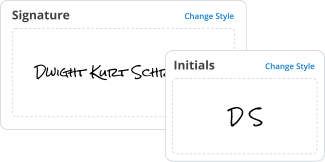
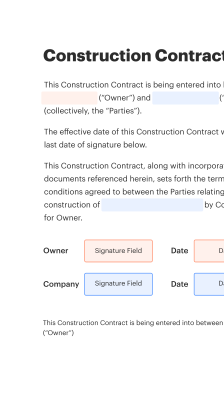
Using a simple signature is straightforward with airSlate SignNow. First, upload the document you wish to sign. Next, select the area where you want to place your signature. You can either draw your signature using a mouse or touchscreen, type your name, or upload an image of your handwritten signature. Once you have placed your signature, you can add any additional information required, such as dates or initials. Finally, save the document and share it with the necessary parties. This process ensures that your signature is securely attached to the document, maintaining its integrity.
Steps to complete the simple signature
Completing a simple signature involves several key steps:
- Log into your airSlate SignNow account.
- Upload the document you need to sign.
- Click on the designated area for your signature.
- Choose your preferred method for creating your signature: draw, type, or upload.
- Review the document to ensure all required fields are filled out.
- Save the document and send it to the relevant parties for their signatures, if needed.
Following these steps allows for a smooth and efficient signing experience.
Legal use of the simple signature
The simple signature is legally recognized in many jurisdictions across the United States, provided it meets certain criteria. It must demonstrate the signer's intent to sign the document and be associated with the document itself. The Electronic Signatures in Global and National Commerce (ESIGN) Act and the Uniform Electronic Transactions Act (UETA) establish the legal framework for electronic signatures, ensuring that they hold the same weight as traditional handwritten signatures. Users should ensure that their use of simple signatures complies with applicable laws and regulations to maintain the validity of their documents.
Security & Compliance Guidelines
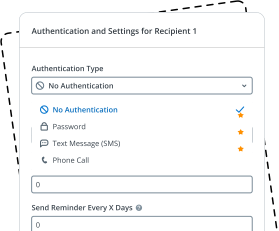
When using a simple signature, it is crucial to adhere to security and compliance guidelines to protect sensitive information. airSlate SignNow employs advanced encryption technologies to safeguard documents during transmission and storage. Users should ensure that they are using secure passwords and enabling two-factor authentication for their accounts. Additionally, it is important to verify the identity of signers when necessary to prevent unauthorized access. Following these guidelines helps maintain the integrity and confidentiality of electronically signed documents.
Examples of using the simple signature
Simple signatures can be utilized in various scenarios, such as:
- Signing contracts for services or products.
- Completing employment forms and agreements.
- Authorizing financial transactions or agreements.
- Submitting legal documents, such as affidavits or declarations.
These examples illustrate the versatility of simple signatures in both personal and professional contexts, facilitating efficient document management.
Documents You Can Sign
With a simple signature, users can sign a wide range of documents, including:
- Contracts and agreements.
- Tax forms and financial documents.
- HR documents, such as offer letters and policy acknowledgments.
- Legal forms, including waivers and releases.
This flexibility makes simple signatures an essential tool for individuals and organizations looking to streamline their document workflows.