Añadir Campos Condicionales Al Documento Con SignNow
Añadir campos condicionales al documento es fácil con signNow. Esta solución de firma electrónica segura y conforme se adapta a diversas industrias en EE. UU.
Qué significa add labels to a pdf y por qué importa
La capacidad de add labels to a pdf permite insertar campos descriptivos, etiquetas y metadatos directamente en archivos PDF para mejorar la organización, la búsqueda y la verificación documental. Esta función facilita identificar secciones, asociar información contextual y mantener trazabilidad dentro del propio documento sin alterar el contenido original. En entornos regulados o con altos volúmenes de contratos, añadir etiquetas reduce errores manuales, acelera procesos de revisión y soporte de auditoría al proporcionar puntos de referencia claros para firmantes y gestores de documentos.
Ventajas principales de usar etiquetas en PDFs
Agregar etiquetas a un PDF simplifica la localización de campos, mejora la consistencia en flujos de trabajo y apoya controles de cumplimiento sin cambiar el documento base.
Retos comunes al add labels to a pdf
Etiquetas mal ubicadas que confunden a firmantes y atrasan la ejecución del documento.
Incompatibilidad de metadatos entre sistemas que impide búsquedas centrales eficientes.
Falta de control de versiones que genera etiquetas duplicadas o desactualizadas.
Ausencia de roles claros provoca que usuarios no autorizados modifiquen etiquetas críticas.
Perfiles de usuario que gestionan etiquetas
Administrador
El administrador configura plantillas de etiquetas, define políticas de acceso y supervisa integraciones con sistemas como CRM y almacenamiento en la nube. Gestiona permisos y audita cambios en etiquetas para mantener cumplimiento interno y externo.
Revisor
El revisor aplica etiquetas a documentos durante la preparación y verificación, valida metadatos y coordina correcciones. Responsable de garantizar que las etiquetas reflejen el estado y la finalidad del documento antes del envío.
Quién utiliza add labels to a pdf en la práctica
Departamentos legales, recursos humanos y operaciones suelen emplear etiquetas para clasificar cláusulas, fechas y responsables dentro de contratos y formularios.
Equipos legales que necesitan localizar cláusulas específicas rápidamente.
Recursos humanos para marcar campos en formularios de incorporación.
Operaciones que automatizan rutas de aprobación mediante metadatos.
En organizaciones con alta rotación de documentos, las etiquetas reducen tiempos de búsqueda y mejoran la consistencia entre procesos.
prepárate para obtener más
Elige una mejor solución
Funciones clave para gestionar etiquetas en PDFs
Estas capacidades facilitan la creación, control y reutilización de etiquetas dentro de flujos documentales empresariales.
Plantillas
Crear plantillas de etiquetas reutilizables permite estandarizar nomenclatura y metadatos, acelerando la preparación de documentos y reduciendo variaciones entre equipos.
Etiquetas condicionales
Aplicar reglas basadas en contenido o campo permite asignar etiquetas automáticamente según criterios específicos, mejorando la consistencia y eliminando trabajo manual repetitivo.
Compatibilidad móvil
Permite revisar y ajustar etiquetas desde dispositivos móviles, manteniendo control sobre la ubicación y visibilidad de metadatos en workflows remotos.
Control de versiones
Registrar cambios de etiqueta y relacionarlos con versiones del documento facilita auditorías internas y externas sin perder historial ni contexto.
Cómo funciona técnicamente add labels to a pdf
El proceso combina edición en el PDF, metadatos incrustados y sincronización con sistemas de gestión documental para mantener coherencia.
Edición in-document: Inserta etiquetas visibles y metadatos ocultos
Metadatos: Asocia campos con valores estructurados
Sincronización: Propaga etiquetas a repositorios conectados
Validación: Verifica integridad y permisos
Recoger firmas
24x
más rápido
Reduce los costos en
$30
por documento
Guardar hasta
40h
por empleado / mes
Guía rápida: pasos para add labels to a pdf
Siga estos pasos básicos para preparar y añadir etiquetas de manera ordenada antes del envío o almacenamiento.
01
Abrir PDF: Cargar el archivo en la plataforma
02
Seleccionar campo: Elegir ubicación y tipo de etiqueta
03
Configurar etiqueta: Asignar nombre y metadatos
04
Guardar cambios: Confirmar y aplicar a versiones
Gestión de trazabilidad y registro al añadir etiquetas
Pasos clave para asegurar un audit trail claro cuando se aplican y modifican etiquetas en documentos PDF.
01
Habilitar auditoría:
Activar registro
02
Registrar autor:
Usuario identificado
03
Registrar cambios:
Timestamp y versión
04
Vincular evidencia:
Adjuntar metadatos
05
Mantener retención:
Política definida
06
Revisar informes:
Auditorías periódicas
prepárate para obtener más
Por qué elegir airSlate SignNow
Prueba gratuita de 7 días. Elige el plan que necesitas y pruébalo sin riesgos.
Precios honestos para planes completos. airSlate SignNow ofrece planes de suscripción sin cargos adicionales ni tarifas ocultas al renovar.
Seguridad de nivel empresarial. airSlate SignNow te ayuda a cumplir con los estándares de seguridad globales.
Configuración típica de flujo para añadir etiquetas
A continuación se muestran ajustes comunes que controlan cómo se aplican, verifican y notifican las etiquetas dentro de un flujo documental.
Setting Name
Configuration
Recordar frecuencia de etiquetas
48 horas
Autoridad para editar etiquetas
Administradores
Regla de etiquetado automático
Basada en campos
Validación previa al envío
Obligatoria
Notificaciones de cambio
Correo interno
Requisitos de plataforma para add labels to a pdf
Verifique compatibilidad de navegador, versiones móviles y requisitos de integración antes de habilitar etiquetas en su flujo documental.
Navegador moderno:Chrome/Edge/Firefox
Apps móviles:iOS y Android
Integraciones:API y conectores
Asegúrese de que los requisitos de red, políticas de CORS y permisos de API estén configurados correctamente para permitir que las etiquetas se sincronicen entre repositorios y aplicaciones empresariales.
Medidas de seguridad relacionadas con etiquetas
Control de acceso:Permisos basados en roles
Cifrado:Cifrado en tránsito y reposo
Autenticación:MFA opcional
Registro de cambios:Historial de ediciones
Integridad:Hashes de documento
Seguridad API:Autorización OAuth
Casos prácticos de add labels to a pdf en sectores clave
Ejemplos ilustran cómo las etiquetas transforman la gestión documental en contextos como salud y educación.
Sector Salud
Un hospital etiqueta formularios de consentimiento para identificar versiones por fecha y responsable
Etiqueta de versión
Mejora la trazabilidad de consentimientos clínicos
Resulting in registros más claros y cumplimiento de políticas HIPAA.
Educación
Una universidad añade etiquetas a expedientes para marcar elegibilidad y estado de matrícula
Campo de elegibilidad
Facilita revisiones administrativas rápidas
Leading to procesos de matriculación más ágiles y cumplimiento con FERPA.
Buenas prácticas para añadir etiquetas con precisión
Adoptar políticas y formatos consistentes reduce errores y mejora la utilidad de las etiquetas en procesos operativos y de cumplimiento.
Definir un esquema de metadatos estandarizado
Establezca nombres, formatos y valores permitidos para cada etiqueta. Documente el esquema y compártalo con equipos responsables para garantizar uso homogéneo en todos los documentos.
Asignar roles y permisos claros
Controle quién puede crear, editar o eliminar etiquetas. Limite el acceso a ediciones a roles específicos para evitar modificaciones no autorizadas y preservar integridad documental.
Incorporar etiquetas en plantillas de documento
Incluya etiquetas predeterminadas en plantillas que se usan con frecuencia para acelerar preparación y asegurar que los metadatos críticos se apliquen siempre.
Auditar y revisar periódicamente el uso
Revise registros de etiquetas y ajuste el esquema conforme cambian procesos o requisitos regulatorios. Use auditorías para detectar inconsistencias y mejorar gobernanza.
Verifique permisos de archivo y rol del usuario; confirme que el documento sincronizado sea la última versión. Si usa almacenamiento en la nube, compruebe la sincronización del repositorio y que no existan copias locales desactualizadas.
Asegúrese de que los metadatos estén indexados por el motor de búsqueda; confirme el esquema de metadatos y reindexe si es necesario para incluir nuevas etiquetas.
Cuando exporte, utilice formatos PDF estándar y mantenga etiquetas como metadatos XMP. Pruebe la importación en la plataforma receptora antes de procesos críticos.
Confirme que la opción de registro de auditoría esté habilitada y que los eventos de metadatos estén incluidos; revise políticas de retención de registros.
Comparativa: add labels to a pdf en soluciones digitales
Comparación rápida de capacidades básicas para añadir y gestionar etiquetas entre proveedores y el flujo tradicional en papel.
Cómo agregar etiquetas de campo con airSlate SignNow
Las etiquetas son descripciones cortas o consejos para completar campos. Ayudan a los destinatarios a entender qué información deben proporcionar en cada campo. Las etiquetas también permiten que los firmantes completen automáticamente los formularios.
Comience agregando campos rellenables
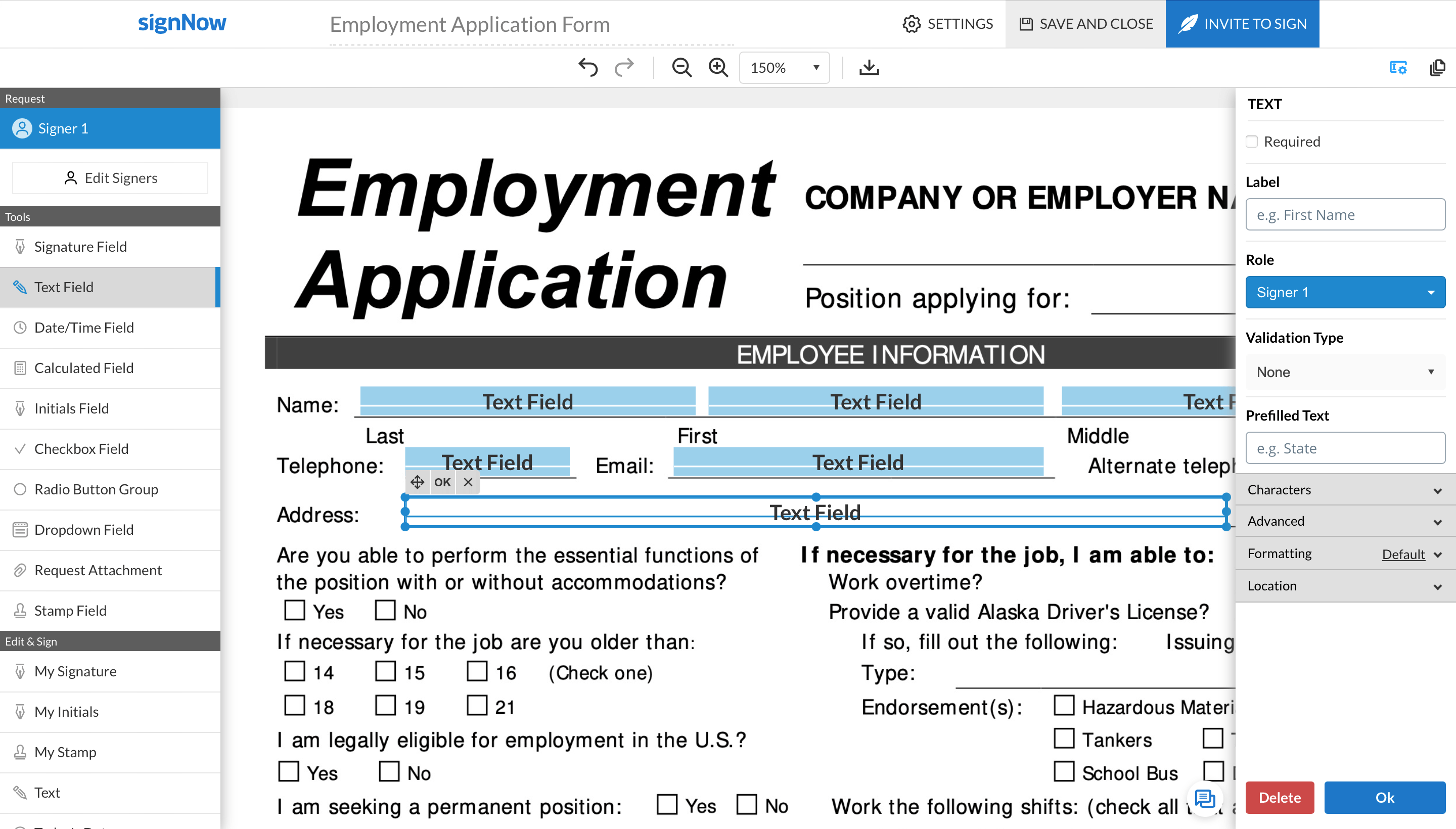
Abra su documento en el editor e inserte campos rellenables. Elija entre diferentes tipos de campos en la barra de herramientas izquierda. Tenga en cuenta que las etiquetas solo están disponibles para campos de Texto, Fecha/Hora y Desplegable.
Establecer etiquetas de campo
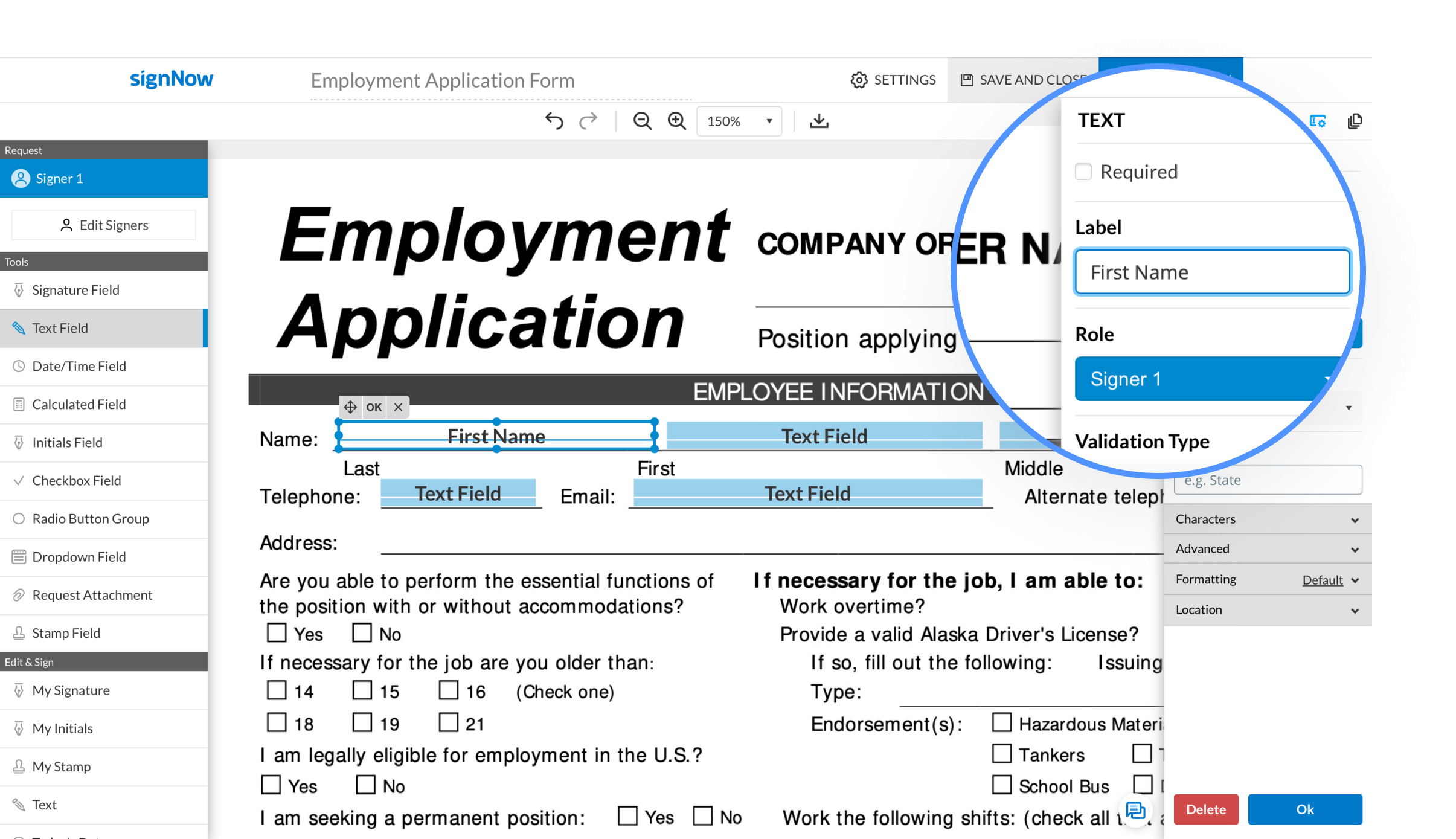
Seleccione un campo de Texto, Fecha/Hora o Desplegable en su documento e ingrese una etiqueta de texto en el campo Etiqueta, que aparece en la barra lateral de configuraciones a la derecha. Haga clic en Ok para guardar su etiqueta.
Nota:Piense en la etiqueta más precisa y concisa que pueda crear (por ejemplo, Nombre/Primero, MI, Apellido, Fecha de hoy, Seleccione una respuesta, etc.). Su etiqueta debe comunicar de manera inequívoca qué datos deben proporcionarse en un campo y en qué formato.
Establezca etiquetas para todos los campos rellenables en su documento.
Por favor, tenga en cuenta que los firmantes podrán completar automáticamente campos con etiquetas iguales con un solo clic en todo el documento.
Utilizamos cookies para mejorar la seguridad, personalizar la experiencia del usuario mejorar nuestras actividades de marketing (incluyendo la cooperación con nuestros socios de terceros) y para otros usos comerciales. Haz clic aquí para leer nuestra política de cookies. Al hacer clic en "Aceptar" aceptas el uso de cookies. ... Leer másLeer menos