Hacer campo obligatorio en signNow garantiza que los usuarios completen información esencial en sus formularios. Asegure el cumplimiento y la seguridad con esta solución de firma electrónica.
Qué significa make form field required en eSignature
La función make form field required obliga al firmante a completar un campo específico antes de poder finalizar un documento electrónico. Al marcar campos como obligatorios se evita el envío incompleto, se reduce la necesidad de correcciones manuales posteriores y se mejora la integridad de los datos recogidos. En plataformas como signNow esta opción se integra con validaciones básicas, reglas condicionales y el registro de auditoría, permitiendo controlar flujos y garantizar que la información esencial esté presente para cumplir requisitos internos y normas aplicables en Estados Unidos.
Por qué aplicar make form field required en sus formularios
Hacer un campo obligatorio mejora la precisión de los datos y evita retrasos por información faltante, reduciendo reenvíos y errores administrativos en procesos de firma.
Retos comunes al usar campos obligatorios
Demasiados campos obligatorios pueden frustrar al firmante y aumentar el abandono del formulario.
Campos obligatorios mal configurados bloquean envíos legítimos y requieren soporte manual para desbloquearlos.
Validaciones insuficientes permiten entradas inválidas aunque el campo esté rellenado.
Condiciones complejas para obligatorio requieren pruebas y pueden causar comportamientos inesperados.
Perfiles de usuario que interactúan con campos obligatorios
Administrador
El administrador de la cuenta configura plantillas, define qué campos son obligatorios y aplica reglas condicionales. Supervisa integraciones y flujos para garantizar que los formularios recojan la información necesaria en cumplimiento con normas internas y requisitos regulatorios.
Firmante
El firmante completa los campos obligatorios durante la revisión del documento; la interfaz guía el proceso y evita envíos hasta que los datos requeridos estén presentes, reduciendo errores y rechazos posteriores.
Quiénes suelen activar make form field required
Organizaciones de distintos tamaños aplican campos obligatorios para asegurar datos clave antes de completar transacciones digitales.
Departamentos legales que necesitan firmas y datos completos para contratos vinculantes.
Recursos Humanos que recopilan información laboral obligatoria en contratación.
Finanzas que requieren datos fiscales antes de procesar pagos.
Implementado de forma equilibrada, el uso de campos obligatorios facilita el cumplimiento y disminuye el trabajo de seguimiento posterior.
prepárese para obtener más ventajas
Elija una solución mejor
Integraciones y herramientas que facilitan make form field required
Integrar la función con sistemas externos simplifica la preparación de formularios y el control de datos obligatorios.
Google Docs
Permite transformar documentos de Google en formularios con campos obligatorios y conservar el diseño original, sincronizando cambios y reduciendo duplicación de trabajo en la preparación de plantillas.
CRM
Integración con CRM sincroniza campos obligatorios con registros de clientes, rellenando datos automáticamente y asegurando que la información esencial esté presente antes de completar acuerdos.
Dropbox
Acceso a archivos desde Dropbox facilita usar documentos existentes y aplicar campos obligatorios sin mover contenidos, manteniendo control de versiones y almacenamiento centralizado.
Plantillas
Plantillas personalizables conservan campos obligatorios definidos, permitiendo reutilizar estructuras validadas para procesos repetitivos y garantizando consistencia en la captura de datos.
Cómo funciona make form field required en el flujo de firma
Comprender el flujo ayuda a integrar correctamente validaciones y reglas condicionales con el proceso de firma.
Preparación: Diseñe el documento y añada campos obligatorios
Envío: Remita el documento al firmante con instrucciones claras
Validación: La plataforma impide enviar sin completar los campos
Auditoría: Registre quién completó cada campo y cuándo
Recoge firmas
24x
más rápido
Reduce los costos en
$30
por documento
Ahorra hasta
40h
por empleado / mes
Pasos rápidos para marcar un campo como obligatorio
Siga estos pasos breves para configurar campos obligatorios en una plantilla o documento antes del envío.
01
Abrir documento: Suba o seleccione el archivo en la plataforma
02
Insertar campo: Coloque el campo en la posición deseada
03
Marcar obligatorio: Active la opción 'required' en propiedades del campo
04
Guardar plantilla: Aplique y pruebe la plantilla antes de enviar
Control de auditoría y registro de campos obligatorios
Auditar cambios y entradas en campos obligatorios mejora la trazabilidad y soporte para disputas o cumplimiento.
01
Registro de cambios:
Guarda versiones y modificaciones de campos
02
Timestamps:
Fecha y hora de cada acción
03
Usuario responsable:
Identifica quién completó cada campo
04
Origen del cambio:
Indica dispositivo o IP
05
Exportación de registros:
CSV o PDF para auditorías
06
Retención de registros:
Política configurable por administrador
prepárese para obtener más ventajas
Por qué elegir airSlate SignNow
Versión de prueba gratuita de 7 días. Elija el plan que necesita y pruébelo sin riesgos.
Precios honestos para planes completos. airSlate SignNow ofrece planes de suscripción sin sobrecargos ni comisiones ocultas al renovar.
Seguridad de grado empresarial. airSlate SignNow le ayuda a cumplir con los estándares de seguridad globales.
Configuración recomendada para flujos con campos obligatorios
Ajuste estos parámetros para equilibrar control de datos y experiencia de usuario en flujos que requieren campos obligatorios.
Setting Name
Configuration
Intervalo de recordatorios por defecto
Recordatorios cada 48 horas hasta firma completa
Validación de campo obligatorio al enviar
Comprobación en cliente y servidor antes del submit
Configuración de lógica condicional por campo
Mostrar u ocultar campos según respuestas previas
Evento de activación de API externo
Webhook OnComplete para procesos posteriores
Periodo de retención de documentos corporativo
Guardar documentos por 365 días por defecto
Requisitos por plataforma para make form field required
La función funciona en la mayoría de navegadores modernos y en aplicaciones móviles, pero existen requisitos mínimos de sistema.
iOS:iOS 13 o superior
Android:Android 8.0 o superior
Navegador:Chrome, Edge, Safari recientes
Para entornos empresariales, revise compatibilidad con versiones gestionadas, políticas SSO y restricciones de red que puedan afectar llamadas API y acceso a plantillas desde dispositivos corporativos.
Controles de seguridad relacionados con campos obligatorios
Autenticación:Contraseñas, OTP, SSO soportadas
Cifrado:Cifrado TLS en tránsito
Almacenamiento:Cifrado en reposo aplicado
Acceso:Control de permisos por rol
Registro:Trazabilidad en auditoría
Respaldo:Copias periódicas seguras
Casos de uso reales para make form field required
Ejemplos prácticos muestran cómo campos obligatorios mejoran operaciones en distintos sectores y flujos de trabajo.
Onboarding de empleados
El departamento de RR. HH. usa plantillas con varios campos obligatorios para datos personales y fiscales
Campos condicionales muestran solo lo necesario
Reduce faltantes y consultas posteriores
Resulting in incorporación más rápida y registros completos
Contratos de venta
Un equipo comercial exige firma y datos de pago antes de ejecutar contratos
Validación integrada verifica formato de tarjeta
Evita órdenes incompletas y rechazos de facturación
Leading to cobros más rápidos y menos disputas
Prácticas recomendadas al usar make form field required
Aplicar criterios claros y pruebas evita problemas de usabilidad y asegura que el requisito mejore procesos sin bloquear firmantes.
Limitar campos obligatorios al mínimo necesario
Determine qué datos son absolutamente imprescindibles para completar la transacción y limite los campos obligatorios a esa lista esencial, evitando solicitar información no relevante que complique la experiencia del firmante.
Usar validaciones y formatos claros
Aplique validaciones (por ejemplo, formato de correo o número de SSN) para garantizar que los datos ingresados sean válidos y evitar rechazos posteriores o necesidad de correcciones manuales.
Implementar mensajes de ayuda y etiquetas claras
Incluya instrucciones concisas junto a cada campo obligatorio para guiar al firmante sobre el formato o contenido esperado, reduciendo errores y tiempos de respuesta.
Probar flujos y condiciones antes de desplegar
Realice pruebas completas de plantillas, incluyendo condicionales y múltiples dispositivos, para asegurar que la lógica de campos obligatorios funciona según lo previsto en todos los escenarios.
Verifique la configuración del campo y las reglas condicionales; algunos campos pueden quedar ocultos por lógica. Compruebe permisos y validaciones en la plantilla y, si procede, permita un campo alternativo o contacto de soporte para desbloquear el envío.
Realice pruebas enviando la plantilla a una cuenta de prueba y simule distintos roles y respuestas. Compruebe que el sistema impida la finalización hasta que se complete el campo y revise el registro de auditoría para confirmar eventos.
Sí, la mayoría de plataformas permiten reglas de formato (correo, fecha, número). Configure la validación junto al campo obligatorio para asegurar que los datos sean válidos además de presentes.
No por sí mismos; la validez depende de cumplimiento con ESIGN/UETA y demostración de intención. Sin embargo, campos obligatorios pueden fortalecer la evidencia de consentimiento y la integridad del contenido firmado.
Sí, use lógica condicional o roles de firmante para asignar obligatoriedad a individuos o grupos específicos. Configure la plantilla para mostrar o requerir campos según el rol del destinatario.
Limite los campos al mínimo necesario, proporcione instrucciones claras y validaciones útiles, y pruebe la experiencia en móvil. Equilibrar control y usabilidad minimiza abandonos y consultas al soporte.
Comparación: firmas digitales con campos obligatorios frente a papel
Una comparación directa muestra diferencias claves en legalidad, tiempo, riesgo y coste entre procesos digitales con campos obligatorios y formularios en papel.
Riesgos y sanciones al gestionar campos obligatorios
Incumplimiento:Multas regulatorias posibles
Disputas:Firmas impugnadas
Pérdida de datos:Entradas incompletas
Retrasos:Procesos detenidos
Costes:Soporte adicional requerido
Reputación:Confianza dañada
Comparativa de funciones y precios entre proveedores de eSignature
Resumen de capacidades y características entre proveedores populares, con signNow listado primero como Recommended en la comparación.
Criteria
signNow (Recommended)
DocuSign
Adobe Sign
HelloSign
PandaDoc
Precio inicial por usuario
Desde $8/mes con planes anuales
Desde $10/mes
Desde $14/mes
Desde $13/mes
Desde $19/mes
Prueba gratuita disponible
Sí, periodo limitado
Sí, periodo limitado
Sí, periodo limitado
Sí, periodo limitado
Sí, periodo limitado
Cumplimiento HIPAA disponible
Opcional, configuración empresarial
Opcional, empresarial
Opcional, empresarial
No estándar
Opcional, plan avanzado
Envío masivo (Bulk Send)
Soportado en planes superiores
Soportado en Enterprise
Soportado
Soportado
Soportado en plan Pro
Acceso a API y webhooks
API completa y webhooks
API robusta
API integrada
API básica
API y plantillas
Cómo hacer que un campo rellenable sea obligatorio con airSlate SignNow
Recibir un formulario lleno solo para descubrir que algunos de sus cuadros quedaron en blanco puede causar retrasos costosos en sus procesos de documentos. Para evitar esto, haga que sus campos sean obligatorios con un clic de un botón.
Agregar campos rellenables a un documento
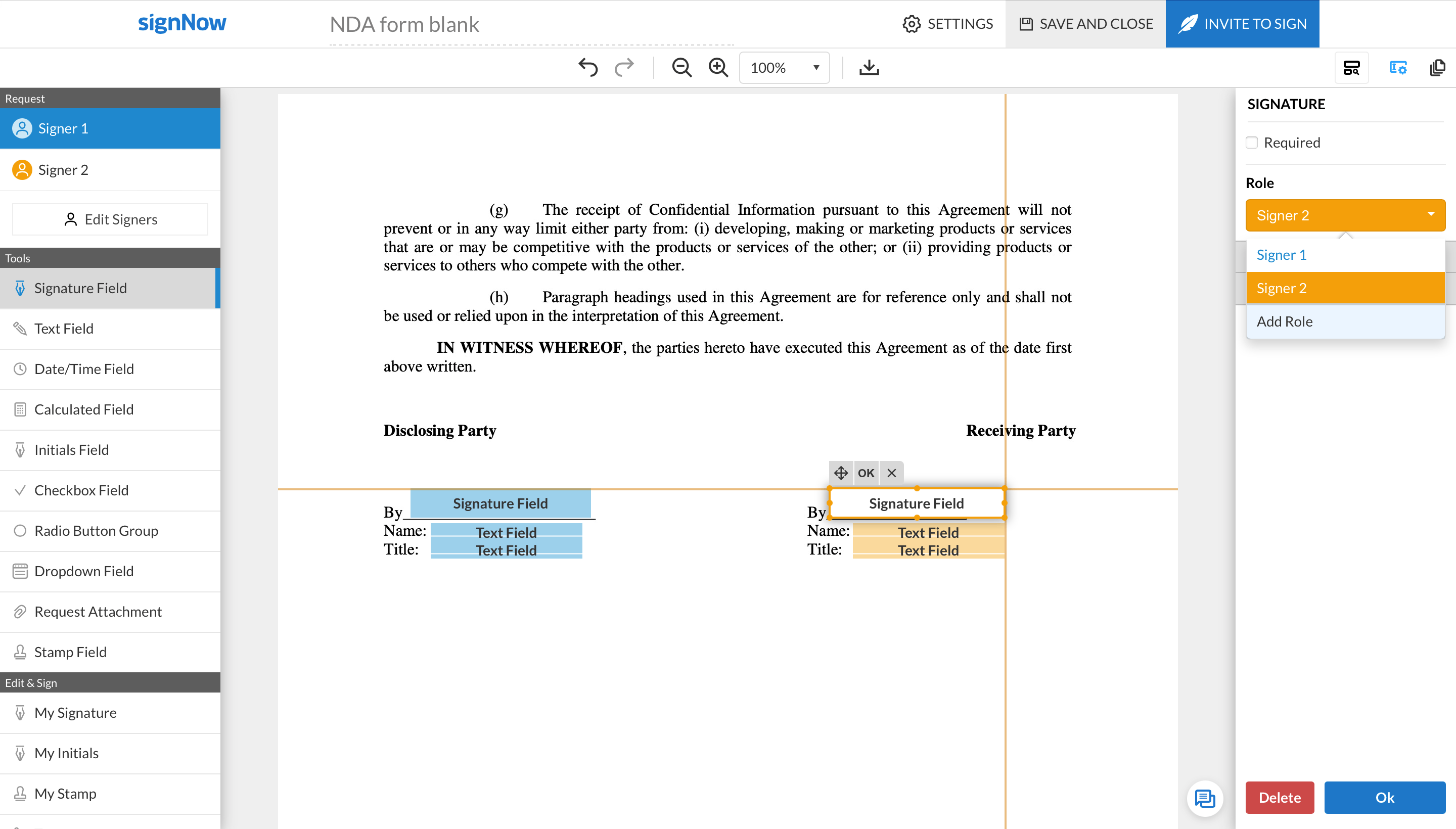
Abra su documento en el editor e inserte campos rellenables usando la barra de herramientas a la izquierda. Seleccione el tipo de campo que desea agregar y luego haga clic en el documento donde desea que aparezca el campo. Ajuste la posición y tamaño de sus campos y asigne roles según sea necesario.
Hacer que los campos sean obligatorios
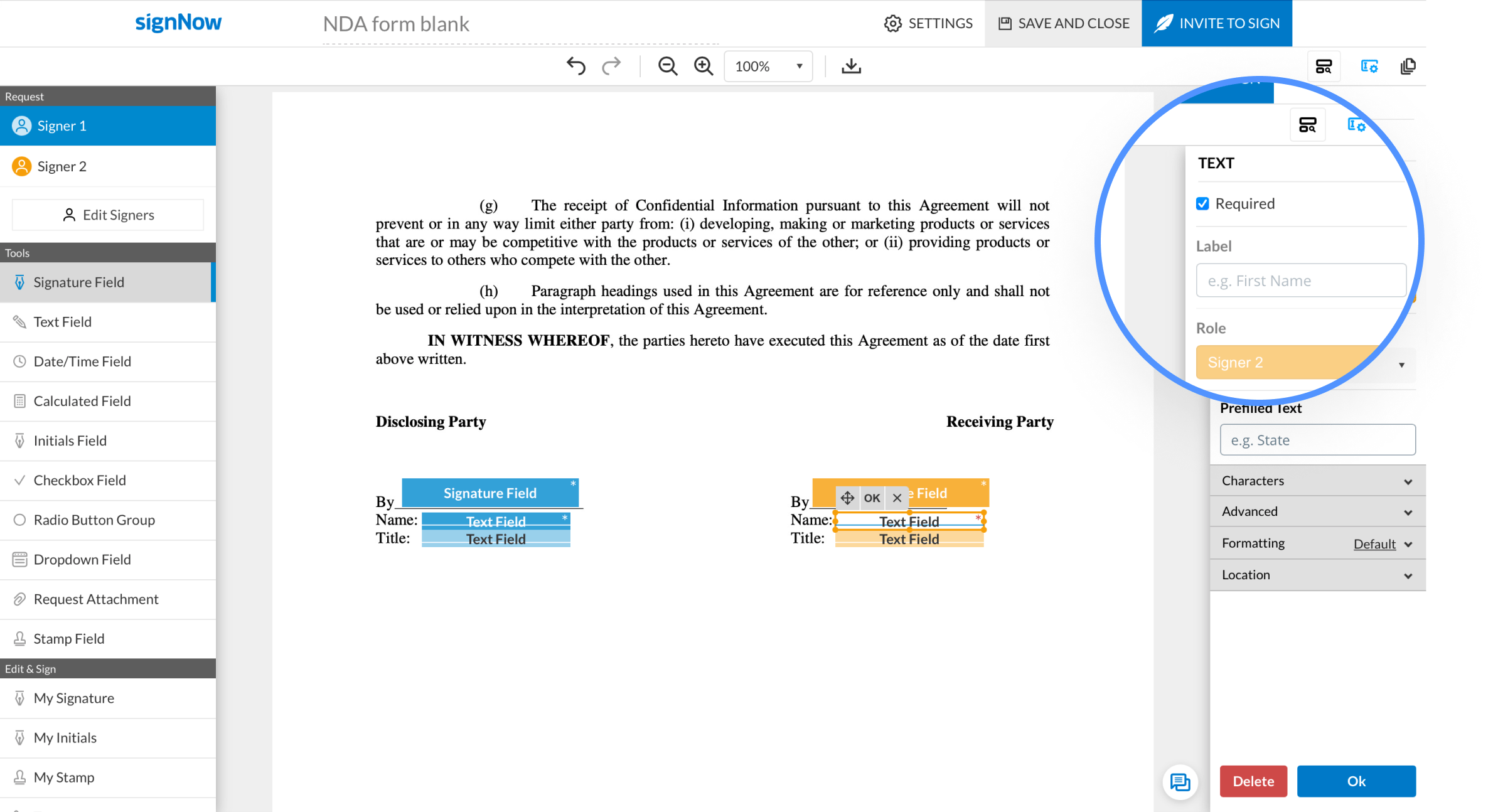
Seleccione cualquier campo en su documento que desee hacer obligatorio y marque la casilla Requerido en la parte superior de la barra lateral derecha. Repita el mismo proceso para cada campo que necesite hacerse obligatorio.
Notarás que los campos obligatorios están resaltados en colores más oscuros que los campos opcionales. Esto facilita distinguir entre ambos.
Utilizamos cookies para mejorar la seguridad, personalizar la experiencia del usuario, potenciar nuestras actividades de marketing (incluida la colaboración con socios terceros o 3rd\u00a0party) y para otros usos comerciales. Haz clic\u00a0aquí\u00a0para leer nuestra Política\u00a0de cookies. Al hacer clic en “Aceptar“ aceptas el uso de cookies. ... Leer másLeer menos