What is the forge signature
A forged signature refers to a signature that has been created without the consent of the individual whose name is being signed. This act is often associated with fraudulent activities and can have serious legal implications. In the context of electronic signatures, a forged signature may occur when someone attempts to sign a document using another person's name without authorization. Understanding the definition and implications of a forged signature is crucial for maintaining the integrity of electronic transactions.
How to use the forge signature
Using a forged signature is illegal and unethical. However, it is essential to understand how to identify and prevent such actions in electronic workflows. Users should ensure that all signatures collected through electronic means are genuine and authorized. This can be achieved by implementing secure eSignature solutions that authenticate signers and provide audit trails, ensuring that every signature is verifiable and legitimate.
Legal use of the forge signature
The legal ramifications of forging a signature are severe and can include criminal charges, civil penalties, and damage to one’s reputation. In the United States, laws vary by state, but generally, forgery is considered a felony. It is essential for businesses and individuals to understand the legal context surrounding signatures to avoid unintentional involvement in fraudulent activities. Utilizing secure electronic signature platforms can help mitigate risks associated with forgery.
Risks of Not Using eSignature Properly
Failing to use eSignatures properly can expose individuals and businesses to significant risks, including the potential for forged signatures. Without proper verification methods, unauthorized individuals may sign documents, leading to disputes and legal challenges. Additionally, improperly managed electronic signatures can result in compliance issues, affecting the validity of agreements and contracts. Adopting a reliable eSignature solution helps ensure that all signatures are authentic and legally binding.
Security & Compliance Guidelines
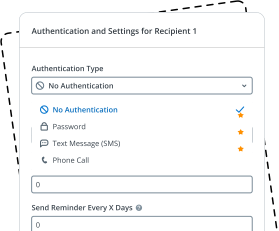
To prevent the risk of forged signatures, it is important to follow security and compliance guidelines. Implementing strong authentication measures, such as multi-factor authentication and secure access controls, helps verify the identity of signers. Additionally, maintaining detailed audit trails of all signed documents provides transparency and accountability. Compliance with regulations, such as the Electronic Signatures in Global and National Commerce (ESIGN) Act, ensures that electronic signatures are recognized as valid and enforceable.
Examples of using the forge signature
While the act of forging a signature is illegal, understanding its implications can help individuals and businesses recognize potential threats. Examples include falsifying signatures on contracts, loan documents, or legal agreements. In an electronic context, this may involve manipulating digital signatures or using someone else's credentials to sign documents. Awareness of these examples underscores the importance of using secure eSignature solutions that protect against unauthorized access and ensure the authenticity of signatures.