Set Default Signature in Outlook 365 Easily with airSlate SignNow





We spread the word about digital transformation
signNow empowers users across every industry to embrace seamless and error-free eSignature workflows for better business outcomes.






Free 7-day trial. Choose the plan you need and try it risk-free.

Honest pricing for full-featured plans. airSlate SignNow offers subscription plans with no overages or hidden fees at renewal.

Enterprise-grade security. airSlate SignNow helps you comply with global security standards.
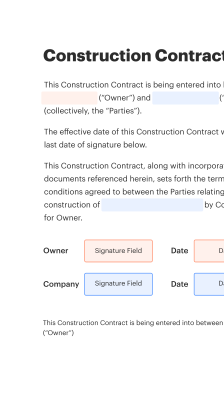

Place electronic signatures and send records in moments instead of hours. Our eSignatures have the identical legal power as wet-ink ones.

Take advantage of the signature tips function and improve your files without any concerns about the safety of your information.

Modify existing forms and save changes, and airSlate SignNow will immediately inform your entire crew that there are updated templates.

Place fillable areas, create or collect electronic signatures, get supplementary documents and payments, and discover different ways to boost your workflows.

Use airSlate SignNow API, the easiest way to create and collect eSignatures. Do so within your CRM systems, on your website, or even in specific apps.

Generate a public link for your template and collect signatures while not having to directly send your document to specific consumer email addresses.
Your complete how-to guide - set default signature in outlook 365
Self-sign documents and request signatures anywhere and anytime: get convenience, flexibility, and compliance.
Set Default Signature in Outlook 365
Are you looking to streamline your document signing process? With airSlate SignNow, you can easily send and eSign documents with a user-friendly and cost-effective solution. Follow the steps below to get started:
How to Use airSlate SignNow:
- Launch the airSlate SignNow web page in your browser.
- Sign up for a free trial or log in.
- Upload a document you want to sign or send for signing.
- If you're going to reuse your document later, turn it into a template.
- Open your file and make edits: add fillable fields or insert information.
- Sign your document and add signature fields for the recipients.
- Click Continue to set up and send an eSignature invite.
airSlate SignNow empowers businesses to streamline their document signing processes with its easy-to-use and cost-effective solution. With features tailored for SMBs and Mid-Market businesses, it offers a great ROI for the budget spent. Additionally, its transparent pricing and superior 24/7 support for all paid plans make it a reliable choice for businesses of all sizes.
Enhance your document signing process today with airSlate SignNow!
How it works


Electronic Signature Legality
What is the office 365 default signature
The office 365 default signature is a pre-set block of text or images that automatically appears at the end of emails sent from Microsoft Outlook. This feature allows users to maintain a consistent branding message and provide essential contact information without needing to add it manually each time they send an email. Typically, a default signature includes the sender's name, job title, company name, phone number, and links to social media or company websites. This ensures that every email sent reflects professionalism and provides recipients with easy access to the sender's contact details.
How to use the office 365 default signature
Using the office 365 default signature involves a few straightforward steps. First, users need to set up their signature within Outlook. This can be done by navigating to the settings menu, selecting "Mail," and then "Signatures." Users can create a new signature, customize it with text and images, and designate it as the default for new emails, replies, or forwards. Once set, the default signature will automatically appear in the specified emails, making it easy to maintain a professional appearance in all communications.
Steps to complete the office 365 default signature
To complete the office 365 default signature, follow these steps:
- Open Microsoft Outlook and go to the "File" menu.
- Select "Options" and then choose "Mail."
- Click on "Signatures" to open the signature settings.
- In the Signatures and Stationery window, click "New" to create a new signature.
- Type your desired signature content, including your name, title, and contact information.
- Format the text as needed, and add any images or logos.
- Set the signature as the default for new messages and replies/forwards, if desired.
- Click "OK" to save your changes.
Key elements of the office 365 default signature
When creating an office 365 default signature, several key elements should be included to ensure it is effective:
- Name: Clearly state your full name to personalize the signature.
- Job Title: Include your position to provide context to recipients.
- Company Name: Display your organization’s name to enhance brand recognition.
- Contact Information: Provide a phone number and email address for easy communication.
- Social Media Links: Add links to professional social media profiles to encourage further engagement.
- Company Logo: Incorporating a logo can strengthen brand identity and professionalism.
Legal use of the office 365 default signature
The legal use of an office 365 default signature is important for establishing authenticity and accountability in email communications. Including a signature can serve as a form of identification, confirming the sender's identity and position within the organization. However, users should ensure that the information included is accurate and up-to-date. Misrepresentation or outdated contact details can lead to misunderstandings or legal implications. Additionally, organizations may have specific guidelines regarding the content and format of email signatures to ensure compliance with branding and legal standards.
Security & Compliance Guidelines
When using an office 365 default signature, it is essential to adhere to security and compliance guidelines. Users should avoid including sensitive personal information that could be exploited if the email is intercepted. Additionally, organizations should implement policies regarding the use of email signatures to maintain consistency and protect their brand image. Regularly reviewing and updating signatures can help ensure compliance with any changes in regulations or company policies. Utilizing airSlate SignNow for eSigning documents can further enhance security by providing a secure platform for managing electronic signatures and ensuring that all signed documents are stored safely.
 Best ROI. Our customers achieve an average 7x ROI within the first six months.
 Scales with your use cases. From SMBs to mid-market, airSlate SignNow delivers results for businesses of all sizes.
 Intuitive UI and API. Sign and send documents from your apps in minutes.
FAQs
Here is a list of the most common customer questions. If you can't find an answer to your question, please don't hesitate to reach out to us.
What is an Office 365 default signature?
An Office 365 default signature is a pre-defined signature that automatically appears at the bottom of your emails sent from Office 365. This feature helps maintain consistency in branding and communication. With airSlate SignNow, you can easily integrate your Office 365 default signature into your eSigning process.
How can I set up my Office 365 default signature in airSlate SignNow?
To set up your Office 365 default signature in airSlate SignNow, navigate to the settings section of your account. From there, you can link your Office 365 account and choose to use your default signature for all documents sent for eSignature. This ensures that your branding is consistent across all communications.
Does airSlate SignNow support multiple Office 365 default signatures?
Yes, airSlate SignNow allows users to create and manage multiple Office 365 default signatures. This feature is particularly useful for businesses with different departments or teams that may require distinct signatures. You can easily switch between signatures based on your needs.
What are the benefits of using an Office 365 default signature with airSlate SignNow?
Using an Office 365 default signature with airSlate SignNow streamlines your document signing process while ensuring brand consistency. It saves time by automatically including your signature in emails and documents. Additionally, it enhances professionalism in your communications.
Is there a cost associated with using Office 365 default signature in airSlate SignNow?
Integrating your Office 365 default signature with airSlate SignNow is included in the subscription plans. airSlate SignNow offers various pricing tiers to accommodate different business needs, ensuring that you can utilize this feature without additional costs.
Can I customize my Office 365 default signature in airSlate SignNow?
Absolutely! airSlate SignNow allows you to customize your Office 365 default signature to reflect your brand's identity. You can add logos, change fonts, and include social media links to create a signature that aligns with your company's image.
What integrations does airSlate SignNow offer with Office 365?
airSlate SignNow offers seamless integration with Office 365, allowing you to use your Office 365 default signature directly within the platform. This integration enhances your workflow by enabling easy access to documents and eSigning capabilities without leaving your Office 365 environment.




airSlate SignNow is committed to protecting your sensitive information by complying with global industry-specific.

Discover powerful features with airSlate SignNow
In Outlook, click on File. Click on Options. Click on Mail. Click on Signatures. Click on New to create a New Signature. Give your Signature a name.
Steps include setting up modern authentication, configuring BlackBerry Work app settings, obtaining an Azure app ID, and allowing UPN authentication.
Scroll down click “View all Outlook Settings”. Once Outlook is open click New. Email. In the new Message Window click on “Signature” and then “Signatures…”.
