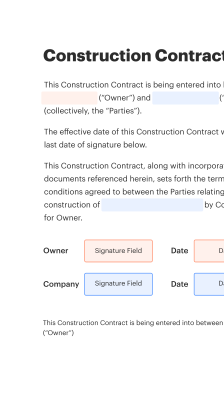
What is signature leasing?
Signature leasing is a formal agreement that outlines the terms under which a lessee can use property owned by a lessor. This document is essential for establishing the rights and responsibilities of both parties involved in the leasing process. In the context of electronic workflows, signature leasing can be completed and signed digitally, ensuring a streamlined process that saves time and resources. By utilizing eSignature technology, businesses can manage their leasing agreements efficiently, reducing the need for physical paperwork.
How to use signature leasing
To use signature leasing effectively, businesses can initiate the process by creating a digital version of the leasing document. Users can fill out the necessary fields online, including details such as property description, lease duration, and payment terms. Once the document is completed, it can be sent for signature to all relevant parties. With airSlate SignNow, users can track the status of the document, receive notifications when it is signed, and securely store the completed lease for future reference.
Steps to complete the signature leasing
Completing the signature leasing involves a few straightforward steps:
- Access the leasing document through airSlate SignNow.
- Fill in the required information, ensuring accuracy.
- Review the document for any errors or omissions.
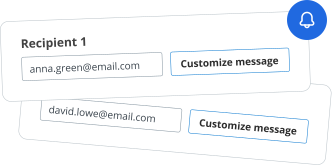
- Send the document for signature to the involved parties.
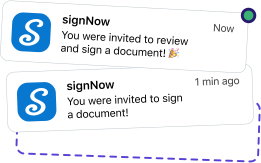
- Monitor the signing process through notifications.
- Once all parties have signed, download and store the completed document securely.
Legal use of signature leasing
Signature leasing is legally recognized in the United States, provided that the eSignature process adheres to the Electronic Signatures in Global and National Commerce (ESIGN) Act and the Uniform Electronic Transactions Act (UETA). These laws establish that electronic signatures hold the same weight as traditional handwritten signatures, ensuring that agreements made through digital platforms are enforceable in court. Businesses should ensure compliance with these regulations when utilizing electronic leasing agreements.
Key elements of signature leasing
Key elements of signature leasing typically include:
- Property Description: Clear identification of the property being leased.
- Lease Duration: The start and end dates of the lease agreement.
- Payment Terms: Details regarding rent amount, payment schedule, and any additional fees.
- Responsibilities: Obligations of both the lessor and lessee regarding maintenance and usage of the property.
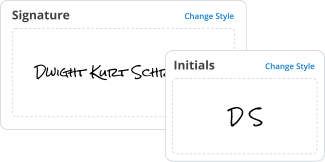
- Signatures: Required signatures from all parties to validate the agreement.
Security & Compliance Guidelines
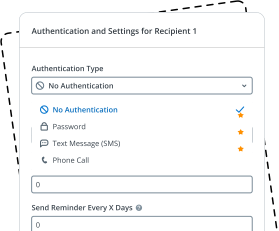
When using signature leasing, it is crucial to adhere to security and compliance guidelines to protect sensitive information. Users should ensure that the platform used for eSigning employs encryption and secure storage solutions. Additionally, maintaining a clear audit trail of all actions taken during the signing process can help mitigate risks and ensure compliance with legal standards. Regularly reviewing security practices and ensuring that all parties understand their rights and responsibilities can further enhance the integrity of the leasing agreement.