What is a digital signature?
A digital signature is a secure and electronic way to sign documents, providing a unique identifier for the signer. It uses cryptographic techniques to ensure the authenticity and integrity of the signed document. Digital signatures are legally recognized in the United States, making them a reliable alternative to traditional handwritten signatures. By creating a digital signature, individuals and businesses can streamline their document signing processes, reduce paper usage, and enhance security.
Steps to create a digital signature
Creating a digital signature involves a straightforward process that can be completed online. Here are the steps:
- Access the airSlate SignNow platform and log in to your account.
- Select the option to create a new document or upload an existing one.
- Navigate to the signing section where you can add your signature.
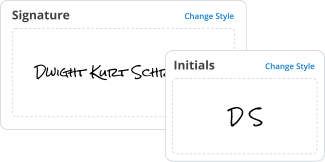
- Choose to draw, type, or upload an image of your signature.
- Save your digital signature for future use.
This process allows you to create a digital signature that can be used for various documents, ensuring a quick and efficient signing experience.
Legal use of digital signatures
Digital signatures are governed by the Electronic Signatures in Global and National Commerce (ESIGN) Act and the Uniform Electronic Transactions Act (UETA) in the United States. These laws establish that electronic signatures hold the same legal weight as traditional signatures, provided they meet certain criteria. To ensure compliance, users should confirm that their digital signatures are created using secure methods and that they maintain a clear audit trail of the signing process.
Sending and signing methods
With airSlate SignNow, users can send documents for signature through various methods, including web, mobile, and app platforms. The process typically involves:
- Uploading the document to the airSlate SignNow platform.
- Adding recipients and specifying their signing order.
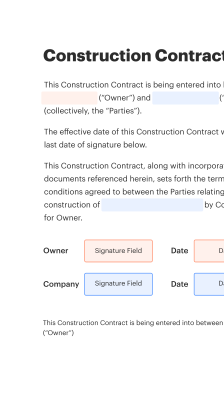
- Customizing the signing fields as needed.
- Sending the document for signature via email or direct link.
Recipients can then access the document on their devices, review it, and sign electronically, ensuring a seamless workflow.
Security and compliance guidelines
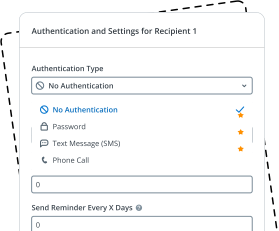
Maintaining security and compliance is crucial when using digital signatures. airSlate SignNow employs advanced encryption methods to protect data during transmission and storage. Users should also ensure that:
- Access to documents is restricted to authorized individuals.
- Audit trails are maintained to track document history and signing events.
- Compliance with relevant regulations, such as HIPAA or GDPR, is observed when handling sensitive information.
By following these guidelines, users can ensure their digital signature processes are secure and compliant with legal standards.
Examples of using a digital signature
Digital signatures can be utilized in various scenarios, including:
- Signing contracts and agreements in real estate transactions.
- Approving employee onboarding documents in HR.
- Finalizing legal documents and filings in law firms.
- Authorizing financial transactions and agreements in banking.
These examples illustrate the versatility and efficiency of digital signatures across different industries and use cases.