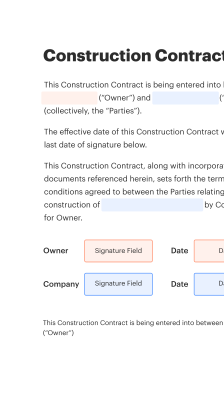
What is the windows digital signature
The windows digital signature is a secure method of verifying the authenticity and integrity of digital documents on Windows operating systems. It utilizes cryptographic techniques to ensure that the document has not been altered since it was signed. This signature serves as a digital fingerprint, linking the signer to the document in a way that is legally recognized in many jurisdictions, including the United States.
Digital signatures on Windows can be applied to various file types, including PDFs and Word documents, making them versatile for different business needs. They provide a way to confirm that the signer is who they claim to be, which is essential for maintaining trust in electronic transactions.
How to use the windows digital signature
Using the windows digital signature involves a straightforward process that can be completed through compatible applications. To start, users can open the document they wish to sign in an application that supports digital signatures, such as Adobe Acrobat or Microsoft Word. Once the document is open, users can navigate to the signature feature within the application.
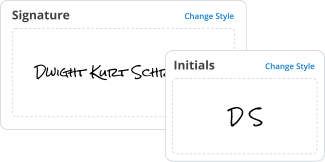
After selecting the option to add a digital signature, users will typically be prompted to choose their digital certificate. This certificate is essential for creating the signature, as it contains the public key needed for verification. Once the certificate is selected, users can apply their signature, often by drawing it or inserting a pre-saved signature image. Finally, the signed document can be saved and shared securely, ensuring that all parties can verify its authenticity.
Steps to complete the windows digital signature
Completing a windows digital signature involves several key steps. First, ensure that you have a valid digital certificate, which is often obtained from a trusted certificate authority. Next, open the document you wish to sign in a compatible application.
Follow these steps:
- Locate the signature option within the application.
- Select your digital certificate from the available options.
- Apply your signature by either drawing it or inserting a saved image.
- Save the document to preserve the digital signature.
- Share the signed document with the intended recipients.
By following these steps, users can efficiently complete the digital signature process while ensuring the document's security and integrity.
Legal use of the windows digital signature
The legal use of the windows digital signature is governed by laws such as the Electronic Signatures in Global and National Commerce (ESIGN) Act and the Uniform Electronic Transactions Act (UETA) in the United States. These laws establish that electronic signatures, including digital signatures, hold the same legal weight as traditional handwritten signatures, provided certain conditions are met.
To ensure legal compliance, users must obtain consent from all parties involved in the transaction and maintain a secure method for signing and storing the documents. Additionally, it is important to use a trusted digital certificate issued by a recognized certificate authority to enhance the signature's validity.
Security & Compliance Guidelines
When utilizing the windows digital signature, adhering to security and compliance guidelines is crucial. Users should ensure that their digital certificates are obtained from reputable certificate authorities and are kept secure. Regularly updating software and applications used for signing documents can help protect against vulnerabilities.
It is also advisable to implement access controls, ensuring that only authorized individuals can sign documents. Additionally, maintaining an audit trail of signed documents can provide transparency and accountability, which are essential for compliance with legal and regulatory standards.
Sending & Signing Methods (Web / Mobile / App)
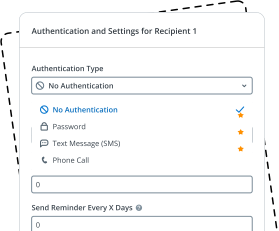
Windows digital signatures can be applied using various methods, including web applications, mobile devices, and desktop applications. For web-based signing, users can upload documents to a secure platform that supports digital signatures, such as airSlate SignNow. This method allows for easy access from any device with internet connectivity.
Mobile applications also provide flexibility, enabling users to sign documents on-the-go. Many applications, including airSlate SignNow, offer mobile versions that allow users to fill out and sign documents directly from their smartphones or tablets. Desktop applications provide a more traditional approach, allowing users to sign documents directly on their PCs, ensuring a seamless signing experience across different platforms.