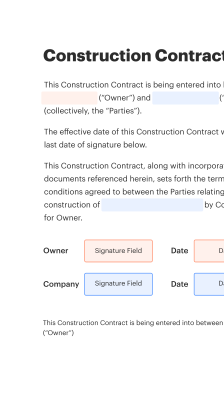
What is the digital signature microsoft office 2013
A digital signature in Microsoft Office 2013 serves as a secure method to authenticate the identity of the signatory and ensure the integrity of the document. This electronic signature is created using cryptographic techniques, making it difficult to forge. It provides assurance that the document has not been altered after signing, which is crucial for legal and business communications. Users can apply digital signatures to various document types, including contracts, agreements, and forms, enhancing trust and compliance in electronic transactions.
How to use the digital signature microsoft office 2013
To use the digital signature feature in Microsoft Office 2013, follow these steps:
- Open the document you wish to sign in Microsoft Word 2013.
- Navigate to the 'Insert' tab and select 'Text' group.
- Click on 'Signature List' and choose 'Microsoft Office Signature Line'.
- Fill in the necessary details in the dialog box that appears, including the signer's name and title.
- Once the signature line is inserted, double-click it to sign. You may need to select your digital certificate.
This process allows you to create a digital signature directly within the document, making it easy to authenticate and finalize your work.
Steps to complete the digital signature microsoft office 2013
Completing a digital signature in Microsoft Office 2013 involves several straightforward steps:
- Ensure you have a valid digital certificate. If not, you can obtain one from a trusted certificate authority.
- Open your document in Word 2013 and insert a signature line as described earlier.
- Double-click on the signature line to initiate the signing process.
- Select your digital certificate from the list provided and click 'Sign'.
- After signing, save the document to retain the digital signature.
These steps ensure that your document is securely signed and ready for sharing or storage.
Legal use of the digital signature microsoft office 2013
Digital signatures created in Microsoft Office 2013 are legally binding in the United States, provided they comply with the Electronic Signatures in Global and National Commerce (ESIGN) Act and the Uniform Electronic Transactions Act (UETA). These laws establish that electronic signatures hold the same legal weight as handwritten signatures, provided that both parties consent to use electronic methods for signing. It is essential to ensure that the digital signature process is secure and that the signatory's identity is verified to maintain the legal integrity of the signed document.
Security & Compliance Guidelines
When using digital signatures in Microsoft Office 2013, adhering to security and compliance guidelines is vital. Here are key points to consider:
- Always use a trusted digital certificate from a reputable certificate authority.
- Ensure that your software is up to date to protect against vulnerabilities.
- Implement strong password policies for accessing documents that require signatures.
- Regularly review and audit signed documents to ensure compliance with relevant regulations.
Following these guidelines helps safeguard your documents and maintain compliance with legal standards.
Documents You Can Sign
Microsoft Office 2013 allows users to apply digital signatures to a variety of document types, enhancing the flexibility of electronic workflows. Common documents that can be signed include:
- Contracts and agreements
- Legal documents
- Financial statements
- HR forms and policies
- Project proposals
This versatility makes it easier for businesses to manage and authenticate important documents electronically.