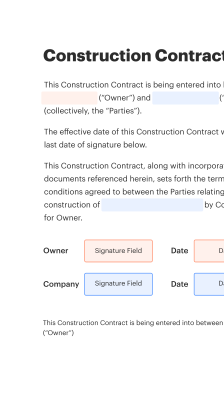
What is the signature information solutions
Signature information solutions encompass a range of tools and processes designed to facilitate the electronic signing of documents. These solutions allow users to create, send, and manage digital signatures securely and efficiently. By leveraging advanced technology, businesses can streamline their workflows, reduce paper usage, and enhance the overall signing experience. With features such as eSigning, document tracking, and secure storage, signature information solutions are essential for modern organizations seeking to optimize their document management practices.
How to use the signature information solutions
Using signature information solutions involves several straightforward steps. First, users can upload the document that requires a signature. Next, they can specify the signers by entering their email addresses. Once the document is prepared, users can add signature fields and any necessary instructions. After sending the document for signature, users can track its status in real time. Once all parties have signed, the completed document is securely stored and can be easily accessed or shared as needed.
Steps to complete the signature information solutions
Completing the signature information solutions is a user-friendly process. Begin by logging into your account and selecting the option to create a new document. Upload the file that needs to be signed. Next, designate the signers by entering their email addresses. Add signature fields and any additional information required for the document. Once everything is set, send the document for signature. After the signers have completed their part, you will receive a notification, and the signed document will be available for download and storage.
Legal use of the signature information solutions
Signature information solutions are legally recognized in the United States, provided they comply with the Electronic Signatures in Global and National Commerce (ESIGN) Act and the Uniform Electronic Transactions Act (UETA). These laws establish that electronic signatures hold the same legal weight as handwritten signatures, making them valid for most types of agreements and contracts. It is important for users to ensure that their electronic signing processes adhere to these regulations to maintain the enforceability of their documents.
Security & Compliance Guidelines
To ensure the security and compliance of signature information solutions, it is crucial to implement best practices. This includes using strong encryption methods to protect documents during transmission and storage. Additionally, employing multi-factor authentication can enhance user access security. Regular audits and compliance checks should be conducted to ensure adherence to legal standards and organizational policies. By prioritizing security, businesses can safeguard sensitive information and maintain trust with their clients and partners.
Documents You Can Sign
Signature information solutions can be used to sign a wide variety of documents, including contracts, agreements, forms, and policies. Common examples include employment contracts, non-disclosure agreements, and client service agreements. Additionally, these solutions can facilitate the signing of tax forms, real estate documents, and medical consent forms. The flexibility of electronic signatures allows businesses across various industries to streamline their documentation processes effectively.
Sending & Signing Methods (Web / Mobile / App)
Signature information solutions offer multiple methods for sending and signing documents, catering to diverse user preferences. Users can access the platform via web browsers, mobile devices, or dedicated applications. This flexibility allows individuals to send documents for signature from anywhere, at any time. Signers can complete their tasks on the go, using their smartphones or tablets, ensuring that the signing process is convenient and efficient for all parties involved.