Establishing secure connection…Loading editor…Preparing document…

Cooperative Agreement Contract

This template is fully customizable. Edit the text, fill out the fields, and send it for signature. Give it a try!
Cooperative Agreement Contract

What a Cooperative Agreement Contract Is and When It Applies

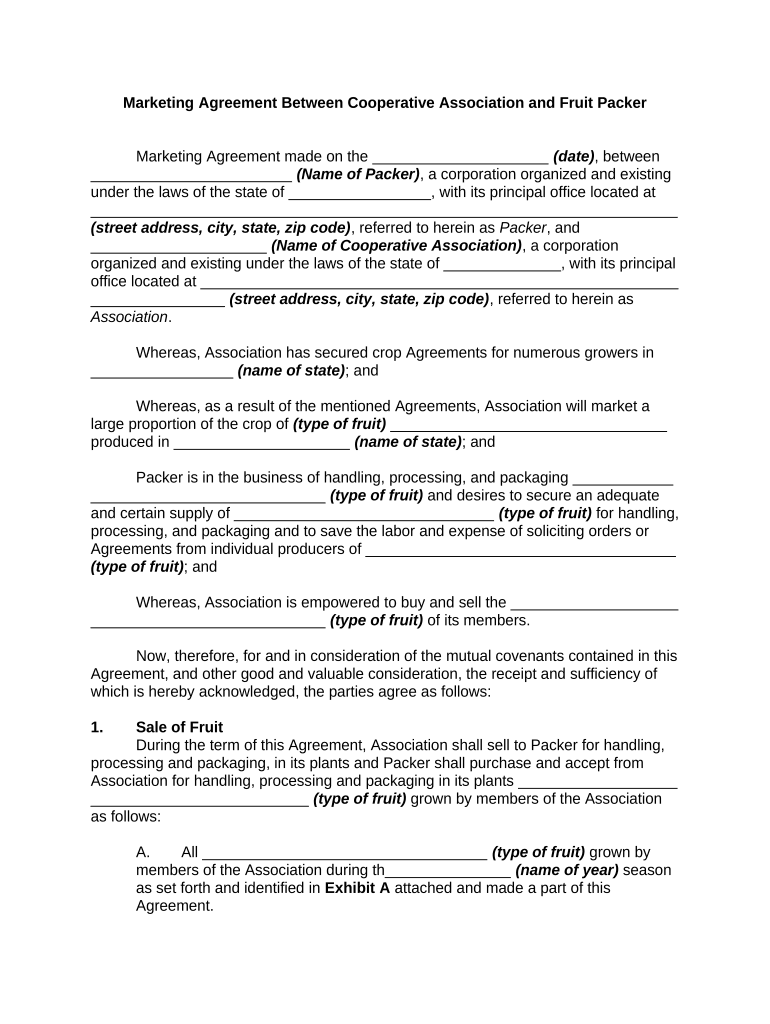
A Cooperative Agreement Contract is a formal, written arrangement that sets out shared objectives, responsibilities, and funding or resource commitments between two or more parties who plan to collaborate on a project or program. Unlike a simple memorandum of understanding, a cooperative agreement typically contains binding obligations, performance milestones, reporting requirements, financial terms, and dispute resolution provisions. These agreements are commonly used in government grants, academic partnerships, joint research, and interagency collaborations where ongoing coordination and oversight are required. The document creates enforceable expectations while preserving the flexibility needed for joint execution.

Why a Well-Drafted Cooperative Agreement Contract Matters

A clear cooperative agreement reduces misunderstandings, allocates risk, and documents funding and reporting obligations so partners can measure progress and meet regulatory requirements such as grant compliance or public contract rules.

Why a Well-Drafted Cooperative Agreement Contract Matters

Who Typically Prepares and Signs These Agreements

Multiple organizational roles participate in creating and approving cooperative agreements; responsibilities vary by sector.

  • Grant administrators and program officers who manage funding, compliance, and reporting obligations for public or private grants.
  • Legal or contracts teams that review liability, indemnity, intellectual property, and termination clauses before execution.
  • Financial officers or procurement specialists who approve budgets, cost-sharing terms, and invoicing procedures tied to the agreement.

Final signatures should come from persons with authority to bind their organization and from any delegated project leads named in the agreement.

Representative Signers and Roles

Program Manager

The Program Manager oversees day-to-day collaboration, tracks performance milestones, coordinates reporting deliverables, and acts as the primary project contact for operational issues and schedule adjustments.

Authorized Signatory

An executive or contracting officer with delegated authority to sign binding documents on behalf of the organization; responsible for legal acceptance of obligations and certifying budgetary approvals.

Essential Clauses in a Professional Cooperative Agreement Contract

A complete agreement identifies parties, scope and objectives, funding or in-kind contributions, performance milestones, reporting obligations, liability allocation, and termination rules to make roles and expectations enforceable.

Parties

Full legal names and entity types for each party, including mailing addresses and point-of-contact details so legal and financial notices are delivered correctly.
Scope

A precise description of activities, deliverables, timelines, and success criteria to avoid ambiguity about what the collaboration will accomplish and how performance is measured.

Funding Terms

Payment schedule, cost-sharing ratios, allowable costs, invoicing procedures, and audit rights tied to budget line items and permitted expense categories.

Reporting

Required reports, reporting cadence, required formats, submission addresses, and any audit or monitoring expectations linked to funder rules or oversight.

Intellectual Property

Ownership, licensing, and rights to use project outputs, background IP, and jointly developed materials, with clear assignment or license terms and usage limits.

Termination

Grounds for termination, notice periods, closeout obligations, return of funds or property, and dispute resolution procedures including mediation or arbitration.

Step-by-Step: Completing a Cooperative Agreement Contract

Follow these sequential steps to prepare, review, and execute the agreement in a way that tracks compliance and reduces negotiation cycles.

  • 01
    Draft Scope: Describe objectives and deliverables clearly.
  • 02
    Budget Review: Confirm funding sources and allowable costs.
  • 03
    Legal Review: Address liability, IP, and termination clauses.
  • 04
    Finalize Signatures: Obtain authorized signatures and dates.

How to Configure a Digital Workflow for This Agreement

Map document routing, signer order, and authentication to match the approval chain and any regulatory requirements before sending for signatures.

Field Configuration
Signer Order Specify sequence: Program Manager → Legal → Authorized Signatory
Authentication Use email + SMS code for higher assurance when required
Conditional Fields Show budget sections only when cost-sharing is selected
Audit Trail Enable full timestamps, IP capture, and completion certificate

Typical Digital Signing Flow for a Cooperative Agreement

A standard e-sign workflow reduces turnaround time and preserves a complete audit trail; align signer authentication with the document's sensitivity.

  • Upload Document: Prepare final PDF and upload to the eSign platform.
  • Place Fields: Add signature, initial, and date fields for each signer.
  • Send for Signature: Route via ordered signing or share a signing link.
  • Record Audit Trail: Capture timestamps, IP, and authentication events.

Technical and Security Requirements for Digital Execution

Ensure the signing platform supports required authentication, audit trails, and data protection before e-submission.

  • Authentication: Email, SMS code, or advanced options.
  • Audit Trail: Complete event log and PDF certificate.
  • File Formats: PDF, DOCX, and export to archive formats.

Use integrations with cloud storage and contract repositories to centralize retention and reduce manual filing errors.

eSignature Vendor Pricing Snapshot for Executing Cooperative Agreements

Compare basic pricing and core features across vendors to match compliance requirements, volume expectations, and cost structure; signNow appears first per provider ordering rules.

signNow DocuSign Adobe Sign PandaDoc HelloSign
Starting Price $8/user/mo $15/user/mo $14/user/mo $19/user/mo $15/user/mo
Free Trial 7-day trial Varies Varies Varies Varies
Bulk Send Yes Yes Yes Yes No
Audit Trail Yes Yes Yes Yes Yes
HIPAA Compliant Yes Yes Yes No No

How Cooperative Agreements Differ from Similar Documents

Understand key distinctions among cooperative agreements, Memoranda of Understanding, contracts, and grants to select the correct instrument for the relationship.

Criteria Cooperative Agreement Contract MOU Grant
Legal Force binding binding often nonbinding binding
Funding Involved often yes often yes rarely
Performance Oversight high high low high
Typical Use joint program execution commercial purchase strategic intent funded project

Common Timing and Reporting Deadlines to Track

Establish a timeline that includes effective date, deliverable due dates, invoice windows, and required reporting milestones tied to funding or compliance.

Effective Date and Term:

Start and end dates in MM/DD/YYYY format

Milestone Deliverables:

Dates for each deliverable and acceptance criteria

Invoice Window:

Submission and payment terms (e.g., Net 30)

Interim Reports:

Quarterly or semiannual reporting dates

Final Closeout:

Final report and audit materials due upon termination

Key Milestones from Draft to Closeout

Map major stages so each stakeholder understands timing from negotiation through post-termination obligations.

01

Drafting

Create initial scope, budget, and milestones.

02

Review and Negotiation

Stakeholders and counsel review terms and propose changes.

03

Execution

Authorized signers execute and date the agreement.

04

Closeout

Deliver final reports and resolve outstanding obligations.

Practical Tips for Accurate and Efficient Completion

Use consistent templates, clear roles, and version control to speed negotiation and reduce disputes.

Use a Standardized Template
Start with an approved template to ensure required clauses are present and reduce drafting time; customize only the scope, budget, and dates.
Assign a Single Point of Contact
Designate one project lead for communications, deliverable sign-offs, and day-to-day coordination to prevent duplicated requests and missed deadlines.
Document All Changes
Track redline history and attach a change log or amendment schedule so all parties have a clear record of negotiated modifications.
Align Budget and Compliance
Ensure budgets map to allowable cost categories and reporting requirements to avoid disallowed costs during audits or funder reviews.

Common Mistakes to Avoid When Preparing the Agreement

  • Vague scope language that leaves deliverables or acceptance criteria undefined, leading to disputes over performance obligations and payment triggers.
  • Mismatched party names or titles; failing to use legal entity names can complicate enforcement and payment processing during audits.
  • Missing reporting or audit clauses that a funder requires, which can cause noncompliance findings and potential fund recapture.
  • Not specifying governing law and dispute resolution, which increases uncertainty and litigation risk if disagreements arise across jurisdictions.

Security and Compliance Expectations for Execution

Encryption: AES-256 at rest
Transport Security: TLS 1.2/1.3 in transit
Audit Logs: Complete signing event trail
BAA Availability: Required for HIPAA
Standards: SOC 2 Type II
Compliance: ESIGN and UETA

Penalties and Risks from Incomplete or Incorrect Agreements

Contract Disputes: Litigation exposure
Audit Findings: Repayment or disallowed costs
Funding Loss: Termination of support
Regulatory Fines: Statutory penalties
Reputational Harm: Stakeholder distrust
Operational Delay: Missed milestones

Real-World Examples of Cooperative Agreements

These examples illustrate common structures and outcomes for cooperative agreements across sectors.

University Research Partnership

A public university and nonprofit funder agreed to joint research on a public-health initiative, with shared milestones and data-use rules

  • Funding phased by milestones to align payments with deliverables
  • The agreement required IRB approval, a data-sharing addendum, and quarterly reports to the funder to satisfy audit requirements.

Local Government Collaboration

A county agency and regional nonprofit partnered to deliver workforce training, sharing staff and facilities

  • Cost-sharing and performance metrics tied to enrollment and placement rates
  • The cooperative agreement included indemnity language, periodic fiscal reviews, and a six-month closeout report for the grant administrator.

Frequently Asked Questions About Cooperative Agreement Contracts

Answers to common questions about execution, signatures, compliance, and what to check before signing a cooperative agreement.


Need help? Contact support

be ready to get more
Join over 28 million airSlate SignNow users