Authorization Letter
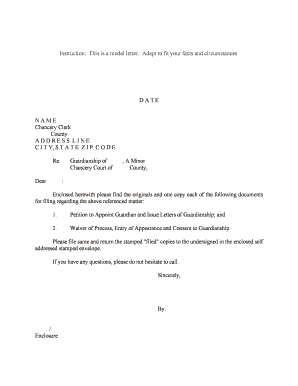
What an Authorization Letter Is and When it’s Used
Why a Clear Authorization Letter Matters
A concise Authorization Letter documents who may act, what they may do, and for how long, reducing disputes and clarifying liability.

Who Typically Prepares and Receives Authorization Letters
Authorization Letters are used by individuals and organizations across functions where delegated authority is needed quickly and verifiably.
- Individuals who need a trusted person to pick up records, parcels, or documents on their behalf.
- Businesses authorizing employees, vendors, or agents to access accounts, invoices, or regulated records.
- Legal or HR teams issuing temporary delegations to handle transactions or administrative duties.
Typical Signers and Authorizees
Individual Signer
A private person granting one-off authority to a friend or family member. Include full legal name, contact details, clear scope, and effective dates to prevent ambiguity or misuse.
Corporate Representative
An officer or authorized employee signing for a company. Verify corporate authority, include job title, and attach board resolution or internal authorization when the recipient requires corporate proof.
Step-by-Step: Create and Execute an Authorization Letter
-
01Draft details: State parties, scope, dates, and contact information clearly.
-
02Confirm identity: Attach ID details or require recipient verification if needed.
-
03Authenticate: Sign, and notarize if recipient demands notarization or witnessed signature.
-
04Deliver copy: Provide the recipient and retain a signed copy for records.
How Authorization Letters Move Through a Typical Workflow
-
Prepare: Draft the letter with precise scope and dates.
-
Authenticate: Sign in ink or execute electronically with an audit trail.
-
Provide ID: Authorized person shows ID or credential on pickup.
-
Retain: Keep the signed copy and proof of delivery.
Digital Setup Options for eSigning and Authentication
| Field | Configuration |
|---|---|
| Signature Type | Electronic signature with timestamp and audit trail |
| Authentication | Email link, SMS code, or KBA when required |
| File Format | PDF or DOCX; use PDF for long-term retention |
| Integrations | Connect with Google Workspace, Microsoft 365, Salesforce |
Technical Capabilities to Consider When Sharing an Authorization Letter
Ensure your chosen platform supports the authentication level and file formats required by the receiving party.
- Authentication Options: Email, SMS, KBA, or SSO
- Supported Formats: PDF, DOCX, HTML
- Integrations: Salesforce, NetSuite, Google Drive
Timing Considerations and Typical Processing Expectations
Immediate Actions:
Use 'effective immediately' only if signer intends immediate delegation.
Short-Term Authorizations:
Commonly set for 24–90 days for pickup or record requests.
Longer Delegations:
Specify exact end date or 'until revoked' to avoid ambiguity.
Statute Limits Impact:
Certain claims or filings may rely on dates for statute of limitations.
Recipient Deadlines:
Agencies may require notarization or witness within a fixed window.
Key Milestones from Draft to Revocation
Draft Completion
Finalize parties, scope, and dates before any signatures are added.
Execution
Signature and authentication event that creates legal effect.
Delivery
Provide signed copy to recipient and retain one for records.
Revocation
Document and deliver revocation to end authority promptly.
Common Mistakes to Avoid When Preparing an Authorization Letter
- Using vague scope language such as 'handle my affairs' without listing specific actions leads to rejection or dispute by recipients.
- Failing to confirm identity requirements: some organizations require notarization or two witnesses for acceptance and will refuse unsigned letters.
- Omitting effective and expiration dates creates open-ended authority that can cause liability and unintended actions by authorized parties.
- Not keeping a signed copy and delivery proof results in difficulty proving the authorization if a dispute arises later.
Risks and Potential Consequences of an Incorrect Authorization
How an Authorization Letter Differs from a Power of Attorney
| Document Type | Authorization Letter | Power of Attorney |
|---|---|---|
| Typical Scope | single transaction | broad ongoing authority |
| Notarization Often Required | sometimes | often |
| Revocation Ease | easy to revoke by notice | formal revocation recommended |
| Use Duration | short-term | long-term or indefinite |
eSignature Vendor Comparison for Executing Authorization Letters
| signNow | DocuSign | Adobe Sign | PandaDoc | HelloSign | |
|---|---|---|---|---|---|
| Starting Price | $8/user/mo | $15/user/mo | $14/user/mo | $19/user/mo | $15/user/mo |
| Free Trial | 7-day free trial | No | No | Yes, limited | Yes, limited |
| Bulk Send | Yes | Yes | Yes | Yes | No |
| Audit Trail | Yes | Yes | Yes | Yes | Yes |
| HIPAA Compliant | Yes | Yes | Yes | No | No |
| Envelope Cap | No cap | 100 envs/user/yr | Varies by plan | Varies by plan | Varies by plan |
Real-World Examples of Authorization Letters in Use
Optica Ventures (Operations)
A small investment firm needed agents to collect signed documents from escrow for multiple closings.
- The authorization specified party, transaction IDs, and limited dates.
- By documenting exact scope and retaining signed copies, the firm reduced disputed pickups and provided verifiable records to the escrow agent and counsel.
Martin Properties (Real Estate)
A property manager authorized a staff member to sign lease addenda and collect tenant documents.
- The letter included tenant names, property address, and a 90-day effective window.
- Clear dates, scope language, and a retained audit trail prevented misapplied charges and helped resolve a tenant dispute quickly.
Practical Tips for Accurate and Efficient Authorization Letters
Frequently Asked Questions About Authorization Letters
-
Can an Authorization Letter be e-signed?
Yes. Electronic signatures are legally enforceable under the ESIGN Act (15 U.S.C. §7001) and state UETA laws when the signing meets intent, consent, attribution, and retention requirements.
-
When is notarization required?
Notarization is required only when the recipient or state law requires it; some banks or agencies insist on notarized authorizations for certain transactions such as deed-related matters.
-
How do I revoke an authorization?
Revoke in writing, deliver the revocation to the recipient and the authorized person, and retain proof of delivery; for durable or complex delegations, follow statutory revocation rules.
-
What ID should the authorized person present?
Recipients typically accept government-issued photo ID (driver’s license, passport); include ID details in the letter if the recipient requires verification.
-
Are witnesses ever required?
Some states and specific document types require witnesses; durable powers or certain real estate-related authorizations may require one or two witnesses.
-
How should I store executed copies?
Keep signed originals and certified electronic copies in secure storage with audit trails; retain per applicable retention schedules for your industry.