Establishing secure connection…Loading editor…Preparing document…

Balance Confirmation Letter

This template is fully customizable. Edit the text, fill out the fields, and send it for signature. Give it a try!
Balance Confirmation Letter

What a Balance Confirmation Letter Is

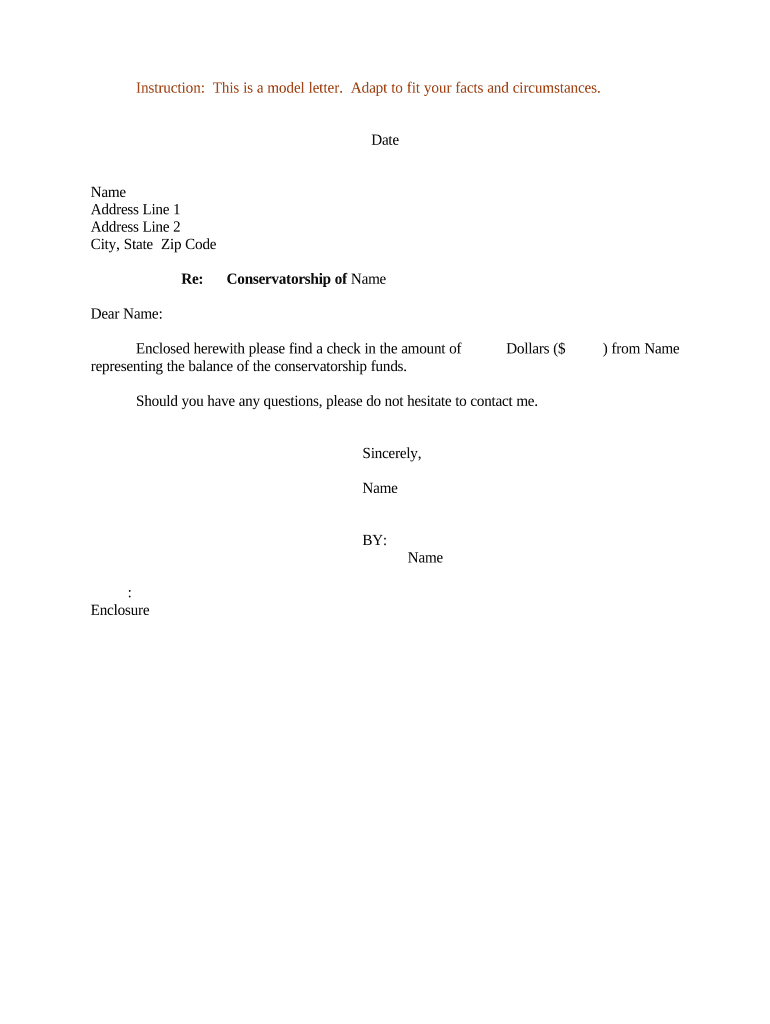
A Balance Confirmation Letter is a written request and response used to verify the accuracy of an account balance on a specific cutoff date. It documents the amount owed or held, identifies account and reporting period details, and records the confirming party's acknowledgement. Commonly used in audits, loan underwriting, account reconciliations, and dispute resolution, the letter provides third-party corroboration for financial statements and can be executed electronically or on paper depending on requester requirements.

Why a Clear Balance Confirmation Letter Matters

A clear Balance Confirmation Letter reduces reconciliation errors, creates audit evidence, and documents third-party agreement to reported figures. It supports financial transparency and reduces follow-up inquiries from auditors, lenders, and counterparties.

Why a Clear Balance Confirmation Letter Matters

Who Typically Prepares and Signs These Letters

Typical users include organizations that need independent confirmation of balances, such as auditors, banks, and corporate finance teams.

  • External auditors verifying year-end balances and collecting corroborative evidence for financial statements.
  • Banks and lenders confirming borrower account balances during underwriting or covenant testing.
  • Corporate treasury and accounting teams reconciling intercompany or third-party accounts.

Essential Elements of a Professional Balance Confirmation Letter

A professional Balance Confirmation Letter follows a standard structure so recipients can verify balances quickly and auditors can trace confirmations to source records.

Header

Identify sender and recipient, include the company letterhead, date, and a clear subject line stating 'Balance Confirmation' and the account or reference number for rapid processing.
Account Details

Provide full account number, account name, type of account, currency, and any sub-account or branch identifiers, including ledger codes and prior balance reference if available.

Balance Figure

State the exact balance amount using clear decimal formatting, specify the currency, and indicate whether the figure is a credit, debit, or net balance as of the cutoff.

Cutoff Date

Specify the precise cutoff date in MM/DD/YYYY format and confirm the cut-off time zone if relevant to international operations, and state whether amounts include pending transactions processed after the stated cutoff.

Contact Info

List the name, job title, direct phone number, and an email address for the person who can confirm details and respond to auditor inquiries, and provide alternative contact if primary is unavailable.

Signature

Include a printed name, title, signatory authority statement, handwritten or electronic signature, and the signature date, and attach supporting authorization documents when applicable.

Step-by-Step: Prepare, Send, and Record a Confirmation

Follow these steps to prepare and obtain a signed Balance Confirmation Letter safely and in compliance with e-signature rules.

  • 01
    Gather Records: Collect account statements, ledgers, and reconciliation worksheets.
  • 02
    Draft Letter: Use a standard template including account, cutoff date, and requested reply.
  • 03
    Send for Confirmation: Deliver via secure channel; include contact and authentication instructions.
  • 04
    Record Response: Store signed confirmation, audit trail, and update reconciliations.

Typical Electronic Workflow for Confirmations

Typical flow for electronic balance confirmations from preparation through signature and archival, showing key automated checkpoints and audit capture.

  • Upload Document: Upload PDF or DOCX template with fillable fields.
  • Assign Signers: Add signer emails and define signing order or roles.
  • Authenticate: Choose email, SMS, or knowledge-based methods.
  • Archive: Save signed PDF with audit trail and metadata.

Configuring an Electronic Confirmation Workflow

Configure an electronic workflow to automate sending, signing, and storing Balance Confirmation Letters with authentication and retention controls.

Field Configuration
Sender Authorized finance user or team email
Authentication Email link, SMS code, or KBA
Template Pre-filled fields and conditional logic
Storage Encrypted cloud archive with retention policy

Choosing Distribution and Integration Options

Distribution options depend on security, recipient technology, the required authentication strength, retention policy, and whether audit-trail capture is mandatory.

  • Email: Standard delivery; email-only authentication
  • Secure Link: Password or SMS code for higher assurance
  • API Integration: Automated send via CRM or ERP integration

Timing and Typical Deadlines for Confirmation Requests

Common timing considerations for requests and responses to balance confirmation letters, including tax, audit, and lending cycles.

Request Timing:

Send at audit planning or prior to reporting cutoff date.

Response Deadline:

Specify date and allow 7–21 business days, depending on complexity.

Follow-up Interval:

Send first reminder after 7 business days.

Loan Underwriting:

Lenders may require confirmations before closing or covenant tests.

Audit Retention:

Retain confirmations with supporting schedules per audit standards.

Common Preparation Errors to Avoid

  • Omitting account identifiers causes match failures and delays; always include full account numbers, branch codes, and ledger references to prevent misallocation during reconciliation.
  • Asking for vague balance definitions (e.g., 'current balance') leads to inconsistent responses; define credit/debit/net and whether to include pending or uncleared transactions.
  • Failing to specify deadline or authentication method increases non-responses; provide a clear reply date and preferred verification method to improve response rates.
  • Using non-standard templates without a signatory authority statement can invalidate confirmations for audit purposes; include a concise authority clause and signature block.

Consequences of Incorrect or Missing Confirmations

Backup Withholding: Incorrect TIN can trigger 24% withholding.
IRS Penalties: Late or incorrect info returns cause $60–$330 per form.
Audit Risk: Unverified balances increase audit adjustments and inquiries.
Loan Delays: Lenders may postpone closings until confirmations received.
Regulatory Breach: HIPAA or SEC rules violated if data mishandled.
Reputational Risk: Repeated errors erode counterparty trust.

Security and Compliance Features to Include

Encryption: TLS 1.2/1.3 in transit; AES-256 at rest
Audit Trail: Detailed timestamps, IP, and action log
HIPAA: BAA required for protected health data
ESIGN/UETA: Legally recognized e-signatures under US law
Access Controls: Role-based access and MFA options
Certificates: SOC 2 Type II and ISO 27001 certified

Pricing and Plan Features Comparison for eSignature Providers

Comparison of common e-signature plan features relevant when sending and storing Balance Confirmation Letters; signNow is listed first per vendor ordering rules.

signNow DocuSign Adobe Sign PandaDoc HelloSign
Starting Price $8/user/mo $15/user/mo $14/user/mo $19/user/mo $15/user/mo
Free Trial 7-day free trial Varies by vendor Varies by vendor Varies by vendor Varies by vendor
Bulk Send Yes Yes Yes Yes No
Audit Trail Yes Yes Yes Yes Yes
HIPAA Compliant Yes Yes Yes No No
Envelope Cap No cap 100 envelopes/user/year Varies by plan Varies by plan Varies by plan

Frequently Asked Questions About Balance Confirmation Letters

Answers to common questions about preparing, signing, and storing Balance Confirmation Letters, including e-signature legality, authentication, and evidence for audits.


Need help? Contact support

be ready to get more
Join over 28 million airSlate SignNow users