Establishing secure connection…Loading editor…Preparing document…

Demand Letter

This template is fully customizable. Edit the text, fill out the fields, and send it for signature. Give it a try!
Demand Letter

What a Demand Letter Is and When It’s Used

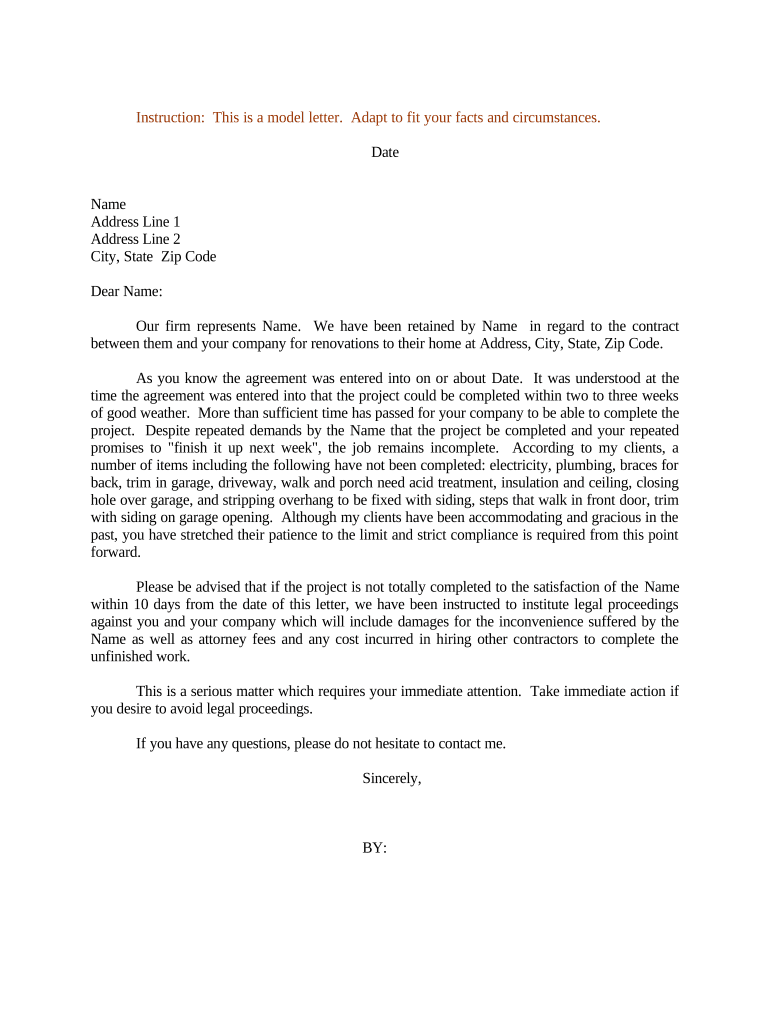
A Demand Letter is a formal written notice requesting performance, payment, or corrective action before pursuing litigation or other remedies. It states the facts, the relief requested, a deadline for response, and consequences for noncompliance. Demand Letters are commonly used in commercial disputes, unpaid invoices, contract breaches, property damage claims, and pre-litigation debt collection. A clear, well-documented Demand Letter can preserve legal rights, create a paper trail for courts, and sometimes prompt settlement without filing suit; accuracy and proper delivery methods affect enforceability.

Why a Well‑Prepared Demand Letter Matters

A precise Demand Letter clarifies issues, defines remedies sought, and sets a firm timeline for resolution, which can reduce costs and escalation. It also documents notice and attempts to resolve the dispute, which courts often view favorably when assessing good faith and reasonableness.

Why a Well‑Prepared Demand Letter Matters

Who Typically Prepares and Receives Demand Letters

The recipient is typically the counterparty with authority to resolve the matter — a corporate officer, payer, tenant, or their counsel; copy relevant stakeholders for the record.

  • Small business owners and accounts receivable teams seeking overdue payments or clarifying contract defaults.
  • In-house or outside attorneys preparing pre‑suit notices and preserving client claims before filing.
  • Landlords, property managers, and homeowners demanding repairs, unpaid rent, or indemnity under lease terms.

Core Components of an Effective Demand Letter

A professional Demand Letter follows a consistent structure to ensure clarity, evidentiary value, and enforceability in later proceedings.

Header

Sender and recipient contact information, date of letter, and reference number for easy tracking and service.
Statement of Facts

Concise chronology of events, invoices, or contract terms with relevant dates, amounts, and supporting document citations.

Claim and Basis

Legal or contractual grounds for the demand spelled out clearly, including specific breached provisions when applicable.

Relief Requested

Specific remedy sought (payment amount, cure action, return of property) and method for fulfilling the demand.

Deadline

A clear response or cure deadline (date and time) plus consequences for failing to comply within that period.

Proof and Attachment

List of attached supporting documents (invoices, photos, contracts) and instructions for delivery or payment.

Essential Information to Include

Sender Name: Full legal name
Recipient Name: Full legal name
Dates: MM/DD/YYYY
Amount: Currency and cents
Attachments: List and date
Signature: Signer printed name

Step-by-Step: Drafting and Sending a Demand Letter

Follow a concise process to prepare a legally useful Demand Letter and minimize delays or disputes about notice.

  • 01
    Gather Evidence: Collect contracts, invoices, and proof of breach.
  • 02
    Draft Text: State facts, claim, requested remedy, and deadline.
  • 03
    Attach Proof: Include numbered exhibits and references.
  • 04
    Send and Record: Deliver by agreed method and retain delivery records.

Where to File or Send a Demand Letter

Choose the delivery method that a contract or governing law requires, and preserve proof of transmission to support future remedies.

  • Contract Address: Send to the address specified in the agreement.
  • Registered Agent: For corporations, serve the registered agent when contract directs or for legal effect.
  • Certified Mail: Use certified or registered mail where proof of receipt is required.
  • Electronic Delivery: Use email or eSignature platforms if permitted by contract or consent.

Distribution and Digital Signing Options

When using electronic tools, ensure the chosen method meets ESIGN and state-law requirements, and preserve audit trails, delivery receipts, and, if needed, notarization or RON records for future enforcement.

  • Postal / Certified: Proof of delivery
  • Email: Read‑receipt or server logs
  • eSignature: Audit trail and timestamp

Common Deadlines and Timing Expectations

Response periods and follow-up timelines should be explicit in the Demand Letter so parties know how long they have to cure or respond before escalation.

Immediate Acknowledgment:

Recipient should acknowledge receipt within a few business days.

Response Deadline:

Typical window is 10–30 calendar days; specify exact date.

Cure Period:

If contract provides cure rights, reference that period and its start date.

Pre‑Suit Wait:

Wait the stated deadline before filing suit or pursuing lien remedies.

Evidence Preservation:

Retain records from dispatch through final resolution.

Common Mistakes to Avoid When Preparing a Demand Letter

  • Vague or inconsistent facts that make it hard to prove the claim in court or during settlement negotiations.
  • Failing to attach or reference supporting documents, leaving the recipient unable to verify the demand easily.
  • Using an incorrect recipient name or address, which can invalidate service or delay legal remedies.
  • Omitting a clear deadline or ambiguous timing that creates disputes about whether the recipient had a fair chance to cure.

Potential Risks from an Inadequate Demand Letter

Loss of Leverage: Weakened bargaining position
Missed Deadlines: Statute of limitations risk
Service Challenges: Delay in starting legal remedies
Higher Costs: Increased litigation expenses
Evidentiary Gaps: Reduced proof at trial
Regulatory Exposure: Potential compliance issues

eSignature Platform Pricing Snapshot for Demand Letter Workflows

This high‑level comparison shows starting prices and key capabilities relevant to executing Demand Letters electronically; signNow is listed first for parity across columns.

signNow DocuSign Adobe Sign PandaDoc HelloSign
Starting Price $8/user/mo $15/user/mo $14/user/mo $19/user/mo $15/user/mo
Free Trial 7-day free trial Varies by vendor Varies by vendor Varies by vendor Varies by vendor
Bulk Send Yes Yes Yes Yes No
Audit Trail Yes Yes Yes Yes Yes
HIPAA Compliant Yes Yes Yes No No

Frequently Asked Questions About Demand Letters

Answers to common questions on legal effect, eSignature acceptance, timing, and next steps to help you finalize and send a Demand Letter correctly.


Need help? Contact support

be ready to get more
Join over 28 million airSlate SignNow users