Establishing secure connection…Loading editor…Preparing document…

Letter of Attorney Representation

This template is fully customizable. Edit the text, fill out the fields, and send it for signature. Give it a try!
Letter of Attorney Representation

What the Letter of Attorney Representation Is

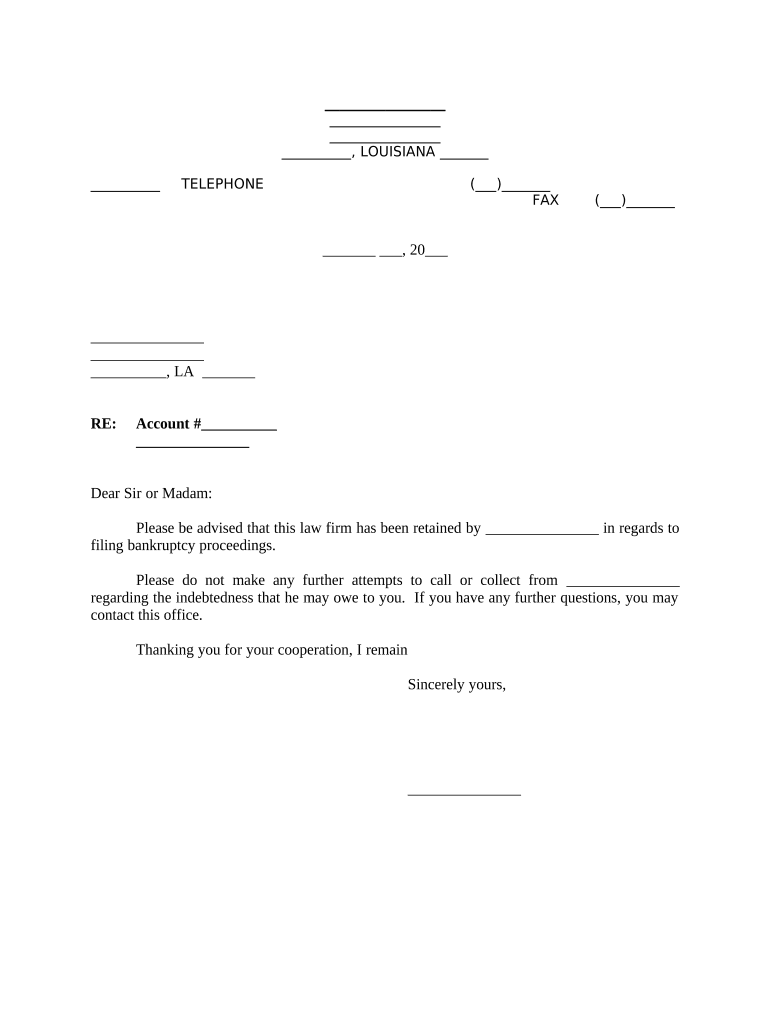
A Letter of Attorney Representation is a written document by which a client authorizes an attorney or law firm to act on the client's behalf for a specific matter or range of matters. It identifies the parties, describes the scope of authority, sets effective and expiration dates, and documents contact and billing information. The letter can be limited (single filing or agency contact) or broader (ongoing representation). It is commonly used for administrative proceedings, tax matters, immigration filings, real estate closings, and communications with third parties.

Why a Clear Representation Letter Matters

A precise Letter of Attorney Representation reduces ambiguity about who may act for a client, documents consent, and supports compliance when interacting with agencies or third parties.

Why a Clear Representation Letter Matters

Typical Users and Situations for This Letter

Use this letter when you need to formally document that an attorney will represent a client in a discrete legal, administrative, or transactional matter.

  • Individuals engaging counsel for tax, immigration, or estate matters who must give written authorization.
  • Businesses delegating negotiation, regulatory filings, or compliance communications to outside or in‑house counsel.
  • Law firms documenting scope of engagement and authorization for third‑party interactions and filings.

Keep a signed copy for both client and attorney files; include any attachments that clarify the authorized matters or limits.

Who Signs and Who Receives the Letter

Client (Individual)

The client or authorized corporate officer signs to grant authority. The letter should state the signer’s legal name, capacity (e.g., owner, director), contact details, and whether the authorization is limited or plenary.

Attorney (Counsel)

The attorney or firm receiving authority signs to acknowledge acceptance. The attorney’s name, bar number, firm address, and primary contact must be included for agency acceptance and recordkeeping.

Security and Compliance Elements to Include

Encryption: TLS 1.2/1.3
Data at Rest: AES-256
Audit Trail: Detailed event log
Certifications: SOC 2 Type II
Healthcare: HIPAA (BAA required)
Legal Framework: ESIGN / UETA

Core Sections to Include in a Professional Letter

A complete letter organizes authority and contact details, defines scope and duration, and includes signature and authentication elements to support enforceability.

Caption

Identify the matter, client name, and any file or case number to connect the letter to the underlying transaction or proceeding for clarity and record retrieval.
Parties

List full legal names and capacities for the client and the attorney or firm, with addresses and daytime contact details for reliable service and verification.

Scope

Describe the precise actions the attorney may take (e.g., file appeals, receive documents, negotiate settlements) and explicitly list any excluded activities.

Effective Period

State an effective date and expiration or condition (e.g., until matter conclusion or written revocation) so authority is time‑bounded and auditable.

Signature Block

Include signature lines, printed names, titles, dates, and space for notarization or witness if required by jurisdiction or receiving agency.

Attachments

Attach supporting documents such as client ID, corporate resolution, power of attorney, or agency forms required to validate the attorney’s authority.

Step-by-Step: Preparing and Executing the Letter

Follow these sequential steps to prepare a usable Letter of Attorney Representation that agencies and third parties will accept.

  • 01
    Gather details: Collect client IDs, case numbers, and any corporate authorizations.
  • 02
    Draft scope: Write clear, itemized authority and any exclusions.
  • 03
    Sign and notarize: Execute signatures and complete notarial acknowledgements if required.
  • 04
    Distribute copies: Send signed copies to client, attorney, and relevant agencies.

Configuring an Online Workflow for This Letter

Set up an e-signature and document routing workflow that enforces identity checks, preserves audit trails, and stores executed copies securely.

Field Configuration
Signer Authentication Email + SMS OTP or KBA for higher assurance
Required Fields Make name, date, scope, and signature mandatory
Notary Integration Enable remote notarization or attach notary block
Retention Policy Set automated retention per legal requirements

How Digital Execution and Delivery Typically Flow

An online workflow reduces friction while capturing the necessary evidence of consent and action for later verification.

  • Upload letter: Sender uploads the draft document.
  • Place fields: Add signature, date, and ID fields.
  • Authenticate signer: Use email or stronger methods.
  • Execute & store: Signed copy and audit trail are saved.

Technical and Integration Considerations for eSubmission

Choose a platform that supports secure e-signature, audit trails, and the file formats your recipients accept.

  • File formats: PDF, Word DOCX supported
  • Integrations: Salesforce, NetSuite, Google Workspace
  • Mobile support: Works across desktop and mobile browsers

Verify agency acceptance of electronic records and whether a notary or specific authentication method is required before sending.

Consequences of an Incorrect or Incomplete Letter

Invalid Authorization: Authority rejected
Delayed Proceedings: Filing delays
Regulatory Fines: Penalties possible
Contract Risk: Agreements unenforceable
Notarial Defect: Rejected by agencies
Evidence Issues: Weakened record in disputes

Common Preparation Errors to Avoid

  • Using informal language or vague scope statements that fail to specify permitted actions and exclusions.
  • Mismatched signer names or missing corporate authorization that causes agencies to decline recognition of the attorney’s authority.
  • Omitting notarization or witness acknowledgements where the receiving agency or state law requires them for acceptance.
  • Failing to retain original signed copies and audit logs, undermining the ability to prove representation or consent in later disputes.

Practical Tips for Accurate, Efficient Completion

Implement quality checks and standard templates to reduce rework and support consistent acceptance by agencies.

Use a standard template
Adopt a template that includes required fields, notary blocks, and optional attachments to avoid omissions and speed creation.
Verify identities
Confirm signer identity with government ID and consider stronger signer authentication for sensitive matters; document the verification method.
Limit scope precisely
Spell out permissions and explicit exclusions; narrow authority when appropriate to reduce risk of unauthorized actions.
Keep full audit record
Retain signed documents, delivery receipts, and timestamped audit trails to support later verification and compliance reviews.

Use Case Examples

These scenarios show how a Letter of Attorney Representation is used across common legal contexts and why clear drafting mattered.

Immigration Representation

A client granted an attorney authority to file adjustment paperwork and respond to USCIS requests

  • Attorney could sign and receive notices
  • Clear scope and client signature prevented delays and ensured timely responses to RFEs, avoiding case abandonment.

Real Estate Closing

An owner authorized counsel to represent them at closing when travel was impossible

  • Authority to sign closing documents was limited to the transaction
  • The notarized letter allowed the attorney to complete the deed transfer without multiple in‑person appearances.

eSignature Pricing and Feature Comparison

Compare baseline pricing and core capabilities for common eSignature providers when preparing and executing a Letter of Attorney Representation.

signNow DocuSign Adobe Sign PandaDoc HelloSign
Starting Price $8/user/mo $15/user/mo $14/user/mo $19/user/mo $15/user/mo
Free Trial 7-day free trial Varies Varies Varies Varies
Bulk Send Yes Yes Yes Yes No
Audit Trail Yes Yes Yes Yes Yes
HIPAA Compliant Yes Yes Yes No No
Envelope Cap No cap 100 envelopes/user/year Varies Varies Varies

Frequently Asked Questions

Answers to common questions about execution, notarization, e-signatures, and revocation for Letters of Attorney Representation.


Need help? Contact support

be ready to get more
Join over 28 million airSlate SignNow users