Establishing secure connection…Loading editor…Preparing document…

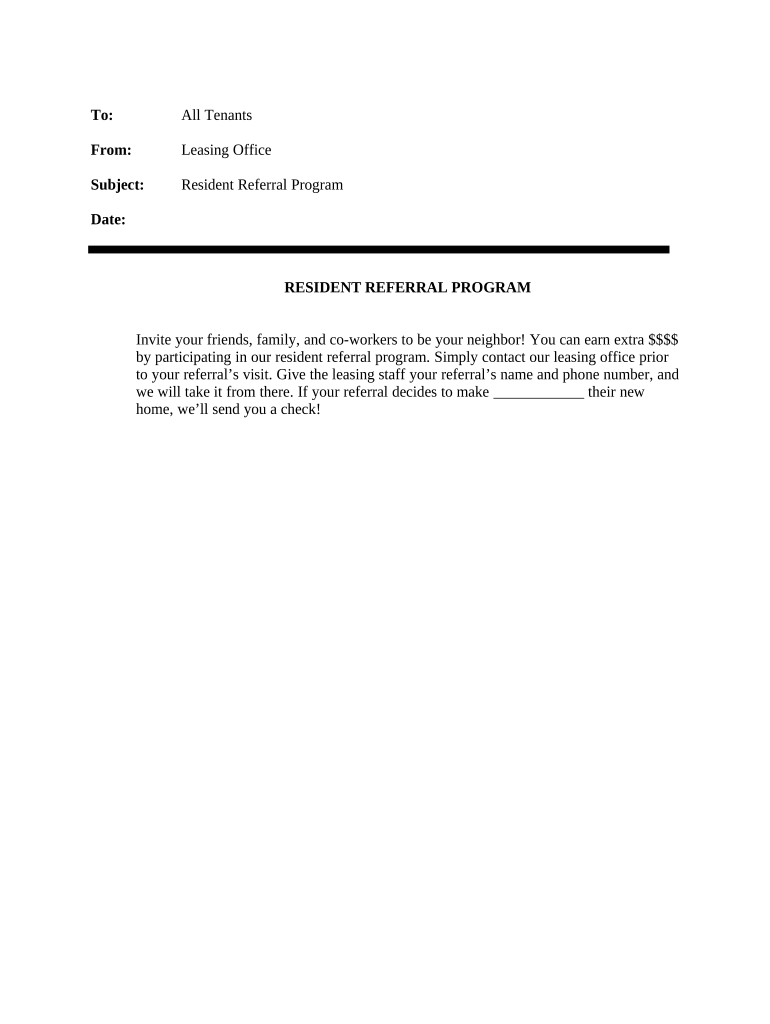
Letter Notice to Tenants

This template is fully customizable. Edit the text, fill out the fields, and send it for signature. Give it a try!
Letter Notice to Tenants

What a Letter Notice to Tenants Is and when it's used

A Letter Notice to Tenants is a formal written communication from a landlord or property manager to one or more tenants that informs them of a specific event, obligation, or change affecting tenancy. Common uses include rent-demand notices, lease termination, notice to cure lease violations, entry or inspection notices, and rent increase notifications. The letter documents the reason, required action, effective date, and any applicable cure period or deadlines. Properly drafted notices support later enforcement actions and create a clear record of notice delivery and content.

Why a clear, documented tenant notice matters

A precise letter notice reduces disputes, preserves legal options, and creates evidence of communication and timing. Clear notices explain tenant obligations, required remedies, and deadlines so both parties understand next steps.

Why a clear, documented tenant notice matters

Who typically prepares and receives these notices

Landlords, property managers, and on-site staff most commonly prepare tenant notices; tenants and resident households are typical recipients.

  • Independent landlords managing one or several rental units
  • Property management firms handling multi-unit portfolios
  • On-site community managers and leasing staff

Professional attorneys or housing counselors may draft or review notices in complex situations such as contested evictions, habitability disputes, or HUD-subsidized housing.

Step-by-step: preparing a compliant tenant notice

Follow a consistent process to draft, authenticate, serve, and retain the notice to minimize disputes and show proof of delivery.

  • 01
    Draft Notice: Describe reason, remedy, deadline clearly.
  • 02
    Select Service Method: Choose personal, mail, posted, or e-delivery per local rules.
  • 03
    Sign and Date: Include signer name, title, and date.
  • 04
    Document Service: Record method, date, recipient, and retain proof.

How to configure an online notice workflow

Set up fields, recipient routing, and authentication in your e-signature system so notices are consistently completed, signed, and auditable.

Field Configuration
Recipient Field Email address and name required for routing
Signature Field Required signature with timestamp and signer IP
Date Field Auto-fill MM/DD/YYYY on signing
Certificate of Service Attach proof of delivery and audit trail

Delivery and eSubmission considerations

Choose delivery channels that satisfy local service rules and preserve an auditable record of who received the notice and when.

  • Email / eSignature: Captures timestamps, IP, and audit trail for proof
  • Certified Mail: Postal proof of mailing and return receipt
  • Personal Delivery / Posting: Requires documented certificate of service or witness

Ensure the chosen platform supports multi-channel evidence capture — email headers, postal receipts, or sworn certificates — and stores records securely.

Routing and filing: typical notice lifecycle

A standard lifecycle ensures the notice is drafted, approved, delivered, and archived with evidence to support future actions.

  • Prepare Document: Complete fields and obtain internal approval
  • Execute Signature: Sign electronically or physically with dated signature
  • Serve Notice: Deliver by chosen legal method and record details
  • Archive Record: Store signed notice, audit trail, and delivery proof

Typical timeframes and deadlines to watch

Notice timing depends on the reason and local law; use explicit dates and avoid ambiguous terms to reduce disputes.

Nonpayment Rent Notices:

Common cure periods: 3–14 days depending on jurisdiction

Lease Termination Notices:

30–90 days is typical for month-to-month tenancies

Notice to Cure Violation:

Often 7–30 days to remedy lease breach

Entry / Inspection Notice:

Usually 24–48 hours' advance notice required

Rent Increase Notice:

Often 30–60 days' written notice required

Key milestones in the notice and enforcement process

Track milestones so you can demonstrate compliance with notice and service requirements throughout any subsequent enforcement.

01

Issue Notice

Drafted, signed, and dated by landlord or agent

02

Deliver to Tenant

Sent by chosen legal service method with proof

03

Cure Period Expires

Deadline passes; record tenant response or lack thereof

04

Next Legal Action

File for eviction or other remedies if uncured

Common mistakes to avoid when preparing notices

  • Using vague or non-specific language in the notice
  • Failing to match tenant name to the lease record
  • Serving notice by an unsupported method for the jurisdiction
  • Not retaining proof of delivery or the audit trail

Consequences of incorrect or improperly served notices

Dismissed Enforcement: Court may dismiss actions
Delay Costs: Additional rent accrual and legal fees
Sanctions: Possible court sanctions or attorney fees
Tenant Defense: Stronger tenant counterclaims
Administrative Fines: Local housing authority penalties
Reputational Risk: Negative impact on leasing operations

Essential information every letter notice should include

Tenant Name: Full legal name
Premises Address: Street, unit, city, state
Reason: Specific violation or event
Cure Deadline: Date or number of days
Signature: Landlord name and date
Proof of Service: Method and date served

eSignature pricing and capability comparison

Compare common vendor starting prices and basic feature availability relevant to executing tenant notices and records management.

signNow DocuSign Adobe Sign PandaDoc HelloSign
Starting Price $8/user/mo $15/user/mo $14/user/mo $19/user/mo $15/user/mo
Free Trial 7-day free trial Varies Varies Varies Varies
Bulk Send Yes Yes Yes Yes No
Audit Trail Yes Yes Yes Yes Yes
HIPAA Compliant Yes Yes Yes No No
Envelope Cap No cap 100 envelopes/user/year Varies by plan Varies by plan Varies by plan

Real-world examples of online notice use

Organizations use digital signing to streamline notices, preserve audit trails, and reduce in-person interactions while maintaining compliance.

Martin Properties (Founder)

Tim Martin described using online signatures to process notices remotely and maintain compliance

  • He noted the ability to sign on mobile or offline
  • The workflow reduced turnaround time and produced consistent, auditable records for each tenant notice, simplifying subsequent enforcement where needed.

Optica Ventures (COO)

Brian Fitzgibbons highlighted a simple interface for staff and tenants

  • Quick execution reduced back-and-forth
  • Centralized signed records and timestamps improved internal tracking and provided reliable evidence when disputes arose.

Best practices for accurate, defensible tenant notices

Apply consistent drafting, service, and recordkeeping practices to strengthen enforceability and reduce contested outcomes.

Use precise, lease-linked language
Quote the relevant lease clause and state the specific breach or requirement. Tie deadlines to explicit dates rather than relative terms when possible to avoid ambiguity.
Document proof of service
Retain postal receipts, email headers, or signed certificates of service. An attached certificate of service describing the method and date reduces factual disputes.
Preserve the audit trail
Keep a tamper-evident copy of the signed notice that includes timestamps, signer identity data, and an immutable activity log for future verification.
Confirm local law requirements
Verify statutory notice periods and acceptable service methods for the jurisdiction and for specialized housing programs before serving the notice.

Frequently asked questions about Letter Notice to Tenants

Answers to common questions about drafting, serving, signing, and preserving tenant notices in the United States.


Need help? Contact support

be ready to get more
Join over 28 million airSlate SignNow users