Entendiendo La Legalidad De La Firma Electrónica Para Documentos En Estados Unidos
- Rápido para iniciar
- Fácil de usar
- Soporte 24/7





Las empresas con visión de futuro de todo el mundo confían en SignNow






Tu guía completa de cómo hacerlo
Legalidad de la Firma Electrónica para Documentos en Estados Unidos
En Estados Unidos, las firmas electrónicas han ganado reconocimiento y aceptación legal, lo que las convierte en una forma conveniente y segura de firmar documentos. Una de las plataformas de confianza para soluciones de eSignature es airSlate SignNow, que ofrece una experiencia fácil de usar para empresas e individuos. A continuación, se presenta una guía sobre cómo utilizar airSlate SignNow para firmar y enviar documentos electrónicamente.
Pasos para Firmar y Enviar Documentos usando airSlate SignNow:
- Inicie la página web de airSlate SignNow en su navegador.
- Regístrese para una prueba gratuita o inicie sesión.
- Suba un documento que desea firmar o enviar para firma.
- Si va a reutilizar su documento más tarde, conviértalo en una plantilla.
- Abra su archivo y realice ediciones: agregue campos rellenables o inserte información.
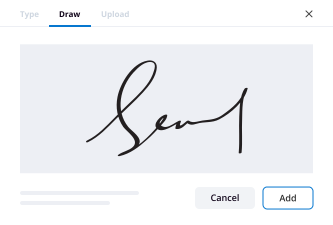
- Firme su documento y agregue campos de firma para los destinatarios.
- Haga clic en Continuar para configurar y enviar una invitación de eSignature.
airSlate SignNow permite a las empresas enviar y eFirmar documentos con una solución fácil de usar y rentable. Ofrece un gran retorno de inversión al proporcionar un conjunto de características ricas, está diseñado para su uso por PYMEs y mercados intermedios, tiene precios transparentes sin tarifas de soporte ocultas, y proporciona un soporte superior 24/7 para todos los planes de pago.
Experimente los beneficios de airSlate SignNow hoy y agilice su proceso de firma de documentos de manera eficiente.
Cómo funciona
Califica tu experiencia
What is the electronic signature legality for documents in the United States
The electronic signature legality for documents in the United States is governed by the Electronic Signatures in Global and National Commerce (ESIGN) Act and the Uniform Electronic Transactions Act (UETA). These laws establish that electronic signatures hold the same legal weight as traditional handwritten signatures, provided certain conditions are met. This means that individuals and businesses can confidently use eSignatures for various documents, including contracts, agreements, and forms, without worrying about their enforceability.
Key elements of the electronic signature legality for documents in the United States
To ensure the legality of electronic signatures, several key elements must be present:
- Intent to sign: The signer must demonstrate a clear intention to authenticate the document.
- Consent to do business electronically: All parties involved must agree to conduct transactions using electronic means.
- Association with the record: The electronic signature must be logically associated with the document being signed.
- Secure and reliable methods: The eSignature process should utilize secure technology to protect the integrity of the signature and the document.
Steps to complete the electronic signature legality for documents in the United States
Completing a document with an electronic signature involves a straightforward process:
- Prepare the document: Upload the document you wish to sign into the airSlate SignNow platform.
- Fill out the necessary fields: Use the platform's tools to complete any required information in the document.
- Request signatures: Send the document to the relevant parties for their electronic signatures.
- Sign the document: Once all parties have received the document, they can eSign it using their unique credentials.
- Store and manage: After signing, securely store the completed document within the airSlate SignNow platform for easy access and management.
State-specific rules for the electronic signature legality for documents in the United States
While the ESIGN Act and UETA provide a federal framework for electronic signatures, individual states may have specific regulations that apply. It is essential to review state laws to ensure compliance, particularly in areas such as:
- Types of documents that can be signed electronically.
- Requirements for consent and intent.
- Specific security measures that may be mandated.
Understanding these nuances can help users navigate the eSignature landscape effectively.
Examples of using the electronic signature legality for documents in the United States
Electronic signatures are versatile and can be used across various industries and document types. Common examples include:
- Real estate transactions, such as lease agreements and purchase contracts.
- Business contracts, including service agreements and partnership contracts.
- Human resources documents, such as employment contracts and policy acknowledgments.
- Financial documents, including loan agreements and tax forms.
These examples illustrate the broad applicability of electronic signatures in facilitating efficient and legally binding transactions.
Security & Compliance Guidelines
Ensuring the security and compliance of electronic signatures is crucial for maintaining their legality. Users should adhere to the following guidelines:
- Use secure platforms: Choose reputable eSignature solutions like airSlate SignNow that comply with industry standards.
- Implement authentication measures: Utilize multi-factor authentication and unique user credentials to verify signers' identities.
- Maintain audit trails: Keep detailed logs of the signing process to provide evidence of consent and intent.
- Regularly review compliance: Stay updated on legal changes and ensure your practices align with both federal and state regulations.
Solución de firma electrónica galardonada




¡Obtenga ahora firmas vinculantes desde el punto de vista jurídico!
-
Mejor ROI. Nuestros clientes logran un promedio de 7x ROI en los primeros seis meses.
-
Se adapta a sus casos de uso. De las PYMES al mercado medio, airSlate SignNow ofrece resultados para empresas de todos los tamaños.
-
Interfaz de usuario intuitiva y API. Firma y envía documentos desde tus aplicaciones en minutos.
Firma en línea FAQs
-
What is the electronic signature legality for documents in the United States?
The electronic signature legality for documents in the United States is governed by the ESIGN Act and UETA, which recognize electronic signatures as legally binding. This means that eSignatures hold the same weight as traditional handwritten signatures, provided that both parties consent to use electronic means for signing. -
How does airSlate SignNow ensure compliance with electronic signature legality for documents in the United States?
airSlate SignNow complies with the electronic signature legality for documents in the United States by adhering to the standards set by the ESIGN Act and UETA. Our platform includes features like audit trails and secure authentication to ensure that all signed documents are legally enforceable. -
Are there any specific types of documents that cannot be signed electronically in the United States?
While most documents can be signed electronically, certain types, such as wills, trusts, and some court documents, may have restrictions. It's important to verify the electronic signature legality for documents in the United States for specific cases to ensure compliance. -
What are the benefits of using airSlate SignNow for electronic signatures?
Using airSlate SignNow for electronic signatures offers numerous benefits, including increased efficiency, reduced paper usage, and enhanced security. Our platform simplifies the signing process, making it easy for users to send and receive documents while ensuring compliance with electronic signature legality for documents in the United States. -
How much does airSlate SignNow cost for businesses looking to use electronic signatures?
airSlate SignNow offers flexible pricing plans tailored to meet the needs of businesses of all sizes. Our cost-effective solution allows you to utilize electronic signature legality for documents in the United States without breaking the bank, with options for monthly or annual subscriptions. -
Can airSlate SignNow integrate with other software applications?
Yes, airSlate SignNow seamlessly integrates with various software applications, enhancing your workflow. This integration capability supports the electronic signature legality for documents in the United States by allowing you to manage documents efficiently across different platforms. -
Is airSlate SignNow user-friendly for those unfamiliar with electronic signatures?
Absolutely! airSlate SignNow is designed with user experience in mind, making it easy for anyone to navigate and use. Our intuitive interface ensures that even those unfamiliar with electronic signature legality for documents in the United States can quickly learn how to send and sign documents.





