Desbloquea La Legitimidad De La Firma Electrónica Para Operaciones En Estados Unidos Con airSlate SignNow
- Rápido para iniciar
- Fácil de usar
- Soporte 24/7





Las empresas con visión de futuro de todo el mundo confían en SignNow






Tu guía completa de cómo hacerlo
Legitimidad de la Firma Electrónica para Operaciones en Estados Unidos
En la era digital de hoy, las firmas electrónicas se han convertido en una parte crucial de las operaciones comerciales, especialmente en Estados Unidos, donde se reconoce su legitimidad. Las empresas pueden agilizar sus procesos y aumentar la eficiencia utilizando soluciones de firma electrónica como airSlate SignNow.
Cómo usar airSlate SignNow:
- Inicie la página web de airSlate SignNow en su navegador.
- Regístrese para una prueba gratuita o inicie sesión.
- Suba un documento que desea firmar o enviar para firmar.
- Si va a reutilizar su documento más tarde, conviértalo en una plantilla.
- Abra su archivo y realice ediciones: agregue campos rellenables o inserte información.
- Firme su documento y agregue campos de firma para los destinatarios.
- Haga clic en Continuar para configurar y enviar una invitación de eSignature.
airSlate SignNow empodera a las empresas para enviar y eFirmar documentos con una solución fácil de usar y rentable. Ofrece un gran retorno de inversión con un conjunto de características rico, fácil escalabilidad adaptada para PYMEs y mercados intermedios, precios transparentes sin tarifas ocultas, y un soporte superior 24/7 para todos los planes de pago.
¡Experimente los beneficios de airSlate SignNow hoy y lleve su gestión de documentos al siguiente nivel!
Cómo funciona
Califica tu experiencia
What is the electronic signature legitimacy for operations in United States
The electronic signature legitimacy for operations in the United States refers to the legal acceptance and recognition of electronic signatures in business transactions. Under the Electronic Signatures in Global and National Commerce (ESIGN) Act and the Uniform Electronic Transactions Act (UETA), electronic signatures hold the same weight as traditional handwritten signatures. This means that documents signed electronically are legally binding and enforceable in court, provided they meet certain criteria.
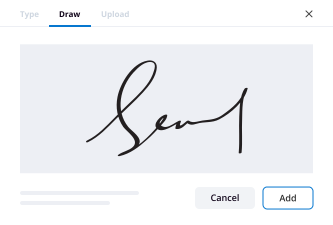
For an electronic signature to be considered legitimate, it must demonstrate the intent of the signer to agree to the terms of the document. This can be achieved through various methods, such as clicking an "I agree" button, typing one's name, or using a stylus to sign on a touchscreen. The technology used must also ensure the integrity of the signed document, preventing any alterations after signing.
Steps to complete the electronic signature legitimacy for operations in United States
Completing the electronic signature legitimacy process involves several straightforward steps that ensure compliance with legal standards. First, users should prepare the document they wish to sign, ensuring it is in a compatible format for electronic signing. Next, they can upload the document to a secure eSignature platform like airSlate SignNow.
Once uploaded, the user can fill out any necessary fields within the document. After filling out the form, the user can initiate the signing process by selecting the appropriate option to eSign. This typically involves verifying their identity through a secure method, such as a password or a two-factor authentication process. After signing, the document can be securely stored or sent to other parties for their signatures, ensuring a complete and legally binding transaction.
Legal use of the electronic signature legitimacy for operations in United States
The legal use of electronic signatures in the United States is governed by federal and state laws that establish their validity. Both the ESIGN Act and UETA provide a framework that allows electronic signatures to be used in various types of transactions, including contracts, agreements, and other legal documents. It is essential for businesses to understand that while electronic signatures are generally accepted, certain documents, such as wills or notices of default, may have specific requirements that must be met.
To ensure compliance, businesses should implement best practices when using electronic signatures, such as maintaining a clear audit trail of the signing process and ensuring that all parties involved are informed about the use of electronic signatures. This transparency helps mitigate risks and reinforces the legitimacy of the signed documents.
Security & Compliance Guidelines
Ensuring the security and compliance of electronic signatures is crucial for maintaining their legitimacy. Users should choose a reputable eSignature platform that employs robust security measures, such as encryption and secure access protocols. This helps protect sensitive information and prevents unauthorized access to signed documents.
Additionally, compliance with legal requirements involves keeping detailed records of the signing process, including timestamps and IP addresses of signers. These records can serve as evidence in case of disputes. Regular audits of the electronic signature process and adherence to industry standards further enhance the security and compliance of electronic signatures in business operations.
Examples of using the electronic signature legitimacy for operations in United States
Electronic signatures can be utilized across various industries and business functions. For instance, in real estate transactions, electronic signatures streamline the signing of purchase agreements and lease documents, allowing for quicker closings. In human resources, electronic signatures facilitate the onboarding process by enabling new hires to sign employment contracts and policy documents remotely.
Moreover, in the financial sector, electronic signatures are commonly used for loan agreements and account openings, enhancing efficiency and customer satisfaction. These examples illustrate how electronic signatures can simplify workflows, reduce paper usage, and maintain legal integrity in diverse operational contexts.
Solución de firma electrónica galardonada




¡Obtenga ahora firmas vinculantes desde el punto de vista jurídico!
-
Mejor ROI. Nuestros clientes logran un promedio de 7x ROI en los primeros seis meses.
-
Se adapta a sus casos de uso. De las PYMES al mercado medio, airSlate SignNow ofrece resultados para empresas de todos los tamaños.
-
Interfaz de usuario intuitiva y API. Firma y envía documentos desde tus aplicaciones en minutos.
Firma en línea FAQs
-
What is the electronic signature legitimacy for operations in the United States?
In the United States, electronic signatures are legally recognized under the ESIGN Act and UETA. This means that electronic signatures hold the same legal weight as traditional handwritten signatures, ensuring electronic signature legitimacy for operations in the United States. Businesses can confidently use electronic signatures for contracts, agreements, and other important documents. -
How does airSlate SignNow ensure electronic signature legitimacy for operations in the United States?
airSlate SignNow complies with all relevant laws and regulations regarding electronic signatures, ensuring electronic signature legitimacy for operations in the United States. Our platform incorporates advanced security features, including encryption and audit trails, to protect the integrity of signed documents. This guarantees that your electronic signatures are valid and enforceable. -
What are the pricing options for airSlate SignNow?
airSlate SignNow offers flexible pricing plans to accommodate businesses of all sizes. Our plans are designed to provide cost-effective solutions while ensuring electronic signature legitimacy for operations in the United States. You can choose from monthly or annual subscriptions, with options that scale based on your needs. -
What features does airSlate SignNow offer to enhance electronic signature legitimacy?
airSlate SignNow provides a range of features that enhance electronic signature legitimacy for operations in the United States. These include customizable templates, secure storage, and detailed audit logs that track every action taken on a document. These features ensure compliance and provide peace of mind for businesses. -
Can airSlate SignNow integrate with other software applications?
Yes, airSlate SignNow seamlessly integrates with various software applications, enhancing its functionality. This integration capability supports electronic signature legitimacy for operations in the United States by allowing businesses to streamline their workflows. Popular integrations include CRM systems, document management tools, and cloud storage services. -
What are the benefits of using airSlate SignNow for electronic signatures?
Using airSlate SignNow for electronic signatures offers numerous benefits, including increased efficiency and reduced turnaround times. By ensuring electronic signature legitimacy for operations in the United States, businesses can expedite their processes and improve customer satisfaction. Additionally, our user-friendly interface makes it easy for anyone to adopt electronic signatures. -
Is airSlate SignNow compliant with industry regulations?
Absolutely! airSlate SignNow is compliant with industry regulations, including HIPAA and GDPR, ensuring electronic signature legitimacy for operations in the United States. Our commitment to compliance means that businesses can trust our platform to handle sensitive information securely and legally.





