What is the how documents online
The term "how documents online" refers to the process of creating, completing, and signing documents digitally using electronic tools. This method streamlines workflows by allowing users to fill out forms, request signatures, and manage documents in a secure online environment. With the rise of remote work and digital communication, understanding how to handle documents online has become essential for individuals and businesses alike.
How to use the how documents online
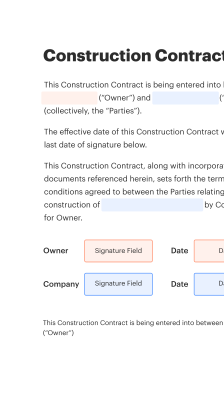
Using documents online typically involves several straightforward steps. First, users can upload existing documents or create new ones directly within the platform. Once the document is ready, users can fill in required fields, add signatures, and include any necessary annotations. After completing the document, it can be sent to other parties for their signatures, ensuring a smooth and efficient signing process.
Steps to complete the how documents online
Completing documents online is a simple process that can be broken down into a few key steps:
- Upload or create a document: Start by uploading a PDF or creating a new document using the platform's tools.
- Fill in the details: Enter necessary information in the designated fields, ensuring all required data is included.
- Add signatures: Use the eSignature feature to sign the document electronically or request signatures from others.
- Review and finalize: Check the document for accuracy and completeness before sending it out.
- Send for signature: Once finalized, share the document with others for their signatures through email or a direct link.
Legal use of the how documents online
Documents signed electronically are legally binding in the United States, provided they meet specific criteria. The Electronic Signatures in Global and National Commerce (ESIGN) Act and the Uniform Electronic Transactions Act (UETA) establish the validity of eSignatures. To ensure compliance, users should confirm that all parties consent to use electronic signatures and that the document is securely stored and accessible for future reference.
Security & Compliance Guidelines
When handling documents online, security and compliance are paramount. Users should ensure that the platform they choose employs encryption to protect sensitive information. Additionally, it is essential to verify that the service complies with industry standards and regulations, such as GDPR or HIPAA, depending on the nature of the documents being signed. Regular audits and secure access controls further enhance the safety of electronic workflows.
Digital vs. Paper-Based Signing
Digital signing offers several advantages over traditional paper-based methods. It significantly reduces the time required to complete and return documents, minimizes physical storage needs, and lowers printing costs. Additionally, digital signatures enhance tracking and management capabilities, allowing users to monitor the status of documents in real-time. This shift towards digital processes not only improves efficiency but also supports environmentally friendly practices by reducing paper waste.
Sending & Signing Methods (Web / Mobile / App)
Documents can be sent and signed through various methods, including web browsers, mobile devices, and dedicated applications. Users can access their documents from anywhere with an internet connection, making it convenient to complete transactions on the go. The mobile app allows for quick signing and sharing, ensuring that users can manage their documents efficiently regardless of their location.