Crea Tu Plantilla De Factura 1099 Para Planificación Sin Esfuerzo
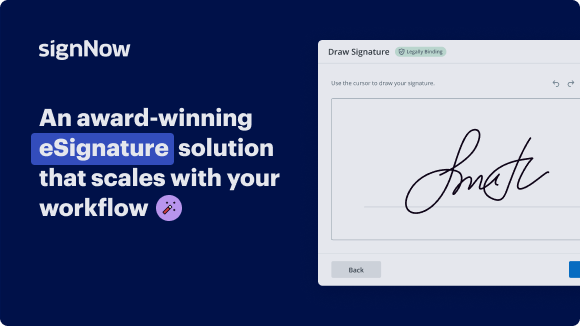
Solución de firma electrónica galardonada




Impulsa tu negocio con la solución de firma electrónica de airSlate SignNow
Agrega tu firma legalmente vinculante
Integra mediante API
Envía documentos condicionales
Comparte documentos mediante un enlace de invitación
Ahorra tiempo con plantillas reutilizables
Mejora la colaboración en equipo
Vea las firmas electrónicas de airSlate SignNow en acción


Soluciones de airSlate SignNow para una mayor eficiencia
Las reseñas de nuestros usuarios hablan por sí mismas










Por qué elegir airSlate SignNow
-
Prueba gratuita de 7 días. Elige el plan que necesitas y pruébalo sin riesgos.
-
Precios honestos para planes completos. airSlate SignNow ofrece planes de suscripción sin cargos adicionales ni tarifas ocultas al renovar.
-
Seguridad de nivel empresarial. airSlate SignNow te ayuda a cumplir con los estándares de seguridad globales.

Usando una plantilla de factura 1099 para planificación
Crear y gestionar tus facturas 1099 puede simplificarse utilizando una plantilla de factura 1099 para planificación. Este proceso permite a las empresas optimizar sus tareas de facturación mientras aseguran el cumplimiento con los requisitos fiscales. Con herramientas como airSlate SignNow, puedes crear, firmar y gestionar tus documentos fácilmente sin complicaciones.
Pasos para utilizar una plantilla de factura 1099 para planificación
- Abre tu navegador y navega al sitio web de airSlate SignNow.
- Crea una cuenta de prueba gratuita o inicia sesión si ya tienes una.
- Elige el documento que necesitas firmar, o carga el que deseas enviar para firmas.
- Si planeas usar este documento en el futuro, considera convertirlo en una plantilla reutilizable.
- Accede a tu archivo cargado para hacer las ediciones necesarias, incluyendo agregar campos interactivos y detalles específicos.
- Inserta campos de firma para los destinatarios y aplica tu propia firma al documento.
- Haz clic en Continuar para configurar y enviar la invitación para firma electrónica.
airSlate SignNow ofrece numerosos beneficios que empoderan a las empresas proporcionando una solución sencilla y rentable para la firma de documentos. Asegura un retorno de inversión notable gracias a su amplio conjunto de funciones diseñadas para pequeñas y medianas empresas.
Con precios transparentes y sin tarifas de soporte inesperadas, la plataforma fácil de usar de airSlate SignNow y su soporte excepcional 24/7 para usuarios de pago hacen que sea la opción ideal para tus necesidades de documentos. ¡Comienza tu prueba gratuita hoy y transforma tu proceso de facturación!
Cómo funciona
Funciones de airSlate SignNow que los usuarios adoran





¡Obtenga firmas legalmente vinculantes ahora!
Preguntas frecuentes
-
¿Qué es una plantilla de factura 1099 para planificación?
Una plantilla de factura 1099 para planificación es un documento personalizable que ayuda a las empresas a reportar ingresos pagados a contratistas independientes o freelancers. Asegura el cumplimiento con las regulaciones del IRS mientras simplifica el proceso de facturación. Usar esta plantilla puede ahorrar tiempo y reducir errores en los informes financieros. -
¿Cómo puedo crear una plantilla de factura 1099 para planificación?
Puedes crear fácilmente una plantilla de factura 1099 para planificación usando la plataforma fácil de usar de airSlate SignNow. Nuestra solución ofrece plantillas personalizables que puedes modificar para adaptarlas a tus necesidades específicas y a tu marca. Una vez creada, puedes enviar rápidamente la factura para firma electrónica. -
¿Qué características debo buscar en una plantilla de factura 1099 para planificación?
Las características clave de una plantilla de factura 1099 para planificación incluyen la capacidad de agregar servicios detallados, cálculo automático de totales y opciones de personalización fáciles. Además, la integración con software de contabilidad es esencial para agilizar el proceso de informes financieros. Asegúrate de que la plantilla permita firmas electrónicas para acelerar las aprobaciones. -
¿Es compatible la plantilla de factura 1099 para planificación con el software de contabilidad?
Sí, la plantilla de factura 1099 para planificación ofrecida por airSlate SignNow está diseñada para integrarse perfectamente con varios softwares de contabilidad. Esta compatibilidad ayuda a garantizar que tus registros financieros sean precisos y estén actualizados. Usando nuestra solución, puedes rastrear fácilmente los pagos y gestionar tus finanzas. -
¿Cuáles son los beneficios de usar una plantilla de factura 1099 para planificación?
Los beneficios de usar una plantilla de factura 1099 para planificación incluyen una mejor organización de los documentos financieros, ahorro de tiempo en la facturación y mayor precisión en los informes fiscales. Además, tener una plantilla estandarizada reduce la probabilidad de errores e inconsistencias. Utilizar nuestra función de firma electrónica también mejora la gestión de tu proceso de facturación. -
¿Cuánto cuesta la plantilla de factura 1099 para planificación?
El costo de la plantilla de factura 1099 para planificación varía según las funciones que requieras y el plan que elijas con airSlate SignNow. Ofrecemos planes de precios flexibles diseñados para satisfacer las necesidades de empresas de todos los tamaños. Puedes explorar nuestras opciones de precios en nuestro sitio web y encontrar la opción adecuada para tu presupuesto. -
¿Puedo personalizar la plantilla de factura 1099 para planificación?
¡Por supuesto! airSlate SignNow te permite personalizar completamente la plantilla de factura 1099 para planificación para que coincida con tu marca y requisitos específicos de facturación. Puedes ajustar campos, agregar tu logotipo y modificar el diseño para que la plantilla refleje la identidad de tu negocio. Esta personalización mejora la credibilidad con los clientes.
Lo que dicen los usuarios activos — 1099 invoice template for planning


Obtén más para 1099 invoice template for planning
- Carta de cobro para facturas vencidas para Relaciones Públicas
- Carta de cobranza para facturas vencidas para producción
- Carta de cobro para facturas vencidas para Supervisión
- Carta de cobro para facturas vencidas por calidad del producto
- Carta de cobro para facturas vencidas de Inventario
- Carta de cobro para facturas vencidas para Seguridad
- Carta de cobro para facturas vencidas para I+D
- Carta de cobro para facturas vencidas para Personal
Descubre otros 1099 invoice template for planning
- Desbloquea el Poder de la Legitimidad de la eSignature ...
- Legitimidad de la eSignature para el Acuerdo de ...
- Legitimidad de la eFirma para el Acuerdo de No ...
- Mejora la Legitimidad de la eFirma para el ...
- Desbloquea el poder de la licitud de eSignature para ...
- Desbloqueando el Poder de la Legalidad de la Firma ...
- Asegurando el Cumplimiento de las Leyes de Firma ...
- Legitimidad de la Firma Digital para la Política de ...
- Mejora la Legitimidad de la Firma Digital para el ...
- Legitimidad de la Firma Digital para Abordar el Acoso ...
- Asegurando la licitud de la firma digital para el ...
- Entendiendo la Legalidad de la Firma Electrónica para ...
- Asegurando la Legalidad de la Firma Electrónica para ...
- Entendiendo la Legalidad de las Firmas Electrónicas ...
- Desbloqueando el Poder de la Legitimidad de la Firma ...
- Mejora la Legitimidad de los Contratos de Freelance con ...
- Legitimidad de la Firma Electrónica para Contratos en ...
- Asegurando la Legitimidad de la Firma Electrónica para ...
- Mejora la Legitimidad de la Firma Electrónica para ...
- Maximice la Legitimidad de la Firma Electrónica para ...