Crea Tu Plantilla Personalizada De Estado De Cuenta Para Inventario Sin Esfuerzo
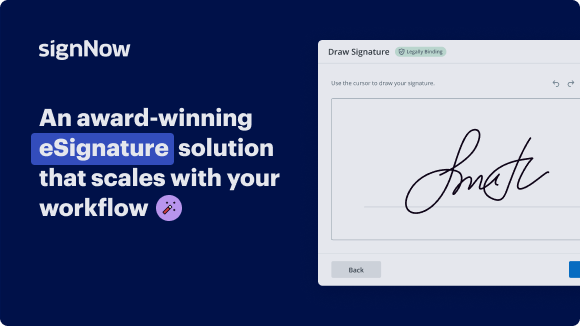
Solución de firma electrónica galardonada




Impulsa tu negocio con la solución de firma electrónica de airSlate SignNow
Agrega tu firma legalmente vinculante
Integra mediante API
Envía documentos condicionales
Comparte documentos mediante un enlace de invitación
Ahorra tiempo con plantillas reutilizables
Mejora la colaboración en equipo
Vea las firmas electrónicas de airSlate SignNow en acción


Soluciones de airSlate SignNow para una mayor eficiencia
Las reseñas de nuestros usuarios hablan por sí mismas











Por qué elegir airSlate SignNow
-
Prueba gratuita de 7 días. Elige el plan que necesitas y pruébalo sin riesgos.
-
Precios honestos para planes completos. airSlate SignNow ofrece planes de suscripción sin cargos adicionales ni tarifas ocultas al renovar.
-
Seguridad de nivel empresarial. airSlate SignNow te ayuda a cumplir con los estándares de seguridad globales.

Plantilla de estado de cuenta para inventario
Crear una plantilla de estado de cuenta para la gestión de inventario es crucial para cualquier negocio que busque mantener la precisión y eficiencia. Al utilizar una solución confiable de firma digital como airSlate SignNow, puedes agilizar el proceso asegurando que tus documentos sean legalmente vinculantes y gestionados de forma segura.
Pasos para crear una plantilla de estado de cuenta para inventario
- Accede al sitio web de airSlate SignNow desde tu navegador preferido.
- Regístrate para una prueba gratuita o inicia sesión en tu cuenta existente.
- Selecciona el documento que deseas firmar o enviar para firma.
- Si planeas usar este documento en el futuro, crea una plantilla a partir de él.
- Abre el archivo para modificarlo agregando campos rellenables o incorporando cualquier información necesaria.
- Firma el documento e incluye los campos de firma requeridos para tus destinatarios.
- Procede haciendo clic en Continuar para configurar y enviar una invitación de firma electrónica.
Utilizar airSlate SignNow ofrece numerosas ventajas para las necesidades de tu negocio. Su conjunto de funciones garantiza un alto retorno de inversión, convirtiéndolo en una opción inteligente tanto para pequeñas como para medianas empresas que buscan escalabilidad fácil.
Con precios transparentes sin tarifas ocultas y soporte excepcional 24/7 para todos los planes de pago, airSlate SignNow se destaca como un socio confiable para la firma de documentos sin complicaciones. ¡Comienza a optimizar tu flujo de trabajo hoy mismo!
Cómo funciona
Funciones de airSlate SignNow que los usuarios adoran





¡Obtenga firmas legalmente vinculantes ahora!
Preguntas frecuentes
-
¿Qué es una plantilla de estado de cuenta para inventario?
Una plantilla de estado de cuenta para inventario es un documento pre-diseñado que las empresas utilizan para detallar los servicios y productos proporcionados, incluyendo sus costos. Simplifica el proceso de facturación y ayuda a mantener registros precisos de las transacciones de inventario. Utilizar esta plantilla garantiza claridad y profesionalismo en las comunicaciones financieras. -
¿Cómo puedo crear una plantilla de estado de cuenta para inventario usando airSlate SignNow?
Crear una plantilla de estado de cuenta para inventario con airSlate SignNow es sencillo. Puedes comenzar seleccionando una de nuestras plantillas personalizables, agregar los detalles de tu inventario y ajustar los términos de pago según sea necesario. Una vez modificada, puedes guardarla y enviarla para firma electrónica, agilizando tu flujo de trabajo. -
¿airSlate SignNow ofrece funciones para gestionar múltiples plantillas de estado de cuenta para inventario?
Sí, airSlate SignNow te permite crear y gestionar múltiples plantillas de estado de cuenta para inventario de manera eficiente. Puedes categorizar tus plantillas según diferentes tipos de inventario o requisitos de clientes, facilitando su acceso y uso según sea necesario. Esta función mejora la organización y acelera el proceso de facturación. -
¿Existe algún costo asociado con el uso de una plantilla de estado de cuenta para inventario en airSlate SignNow?
Aunque puedes acceder a funciones básicas de plantillas de estado de cuenta en airSlate SignNow de forma gratuita, funcionalidades avanzadas, como plantillas personalizables y envío masivo, están disponibles mediante nuestros planes de suscripción. Ofrecemos diferentes niveles de precios para adaptarnos a distintos tamaños y necesidades de negocio. Es recomendable revisar los detalles de nuestros planes para encontrar la mejor opción para tu uso. -
¿Cuáles son los beneficios de usar una plantilla de estado de cuenta para inventario?
Usar una plantilla de estado de cuenta para inventario ayuda a mantener la precisión y eficiencia en los procesos de facturación. Reduce la probabilidad de errores en las facturas y permite una comunicación más rápida con los clientes sobre sus cargos. Además, ayuda a gestionar los registros de inventario de manera efectiva, lo que conduce a una mejor supervisión financiera. -
¿Puedo integrar una plantilla de estado de cuenta para inventario con otras aplicaciones empresariales?
Sí, airSlate SignNow ofrece integraciones con varias aplicaciones empresariales, permitiéndote usar una plantilla de estado de cuenta para inventario sin problemas junto con tus herramientas existentes. Esta integración mejora el flujo de datos y la coherencia entre plataformas, asegurando que tus registros de inventario y procesos de facturación estén sincronizados para una mejor gestión. -
¿Qué tan segura es mi información al usar una plantilla de estado de cuenta para inventario en airSlate SignNow?
airSlate SignNow prioriza la seguridad de tus datos al usar una plantilla de estado de cuenta para inventario. Implementamos protocolos de cifrado líderes en la industria y cumplimos con regulaciones de privacidad para proteger tus documentos e información. Puedes concentrarte en gestionar tu inventario sin preocuparte por la seguridad de los datos.
Lo que dicen los usuarios activos — bill statement template for inventory


Obtén más para bill statement template for inventory
- Plantilla de Recibo de Compra para Recursos Humanos
- Plantilla de Recibo de Compras para Entretenimiento
- Plantilla de Recibo de Compras para Educación
- Formato de Factura en Línea para Contabilidad y Fiscalidad
- Formato de Factura en Línea para Medios de Comunicación
- Formato de Factura en Línea para la Industria de la Construcción
- Formato de Factura en Línea para Servicios Financieros
- Formato de Factura en Línea para el Gobierno