Plantilla De Factura Para Firmas Legales
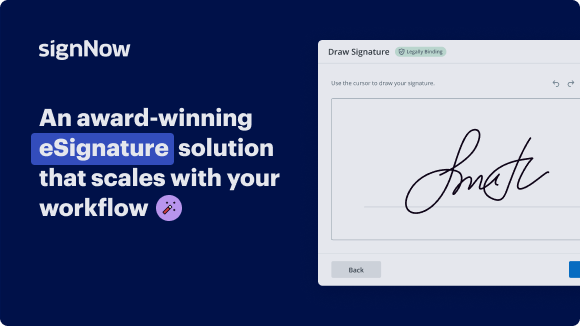
Solución de firma electrónica galardonada




Impulsa tu negocio con la solución de firma electrónica de airSlate SignNow
Agrega tu firma legalmente vinculante
Integra mediante API
Envía documentos condicionales
Comparte documentos mediante un enlace de invitación
Ahorra tiempo con plantillas reutilizables
Mejora la colaboración en equipo
Vea las firmas electrónicas de airSlate SignNow en acción


Soluciones de airSlate SignNow para una mayor eficiencia
Las reseñas de nuestros usuarios hablan por sí mismas











Por qué elegir airSlate SignNow
-
Prueba gratuita de 7 días. Elige el plan que necesitas y pruébalo sin riesgos.
-
Precios honestos para planes completos. airSlate SignNow ofrece planes de suscripción sin cargos adicionales ni tarifas ocultas al renovar.
-
Seguridad de nivel empresarial. airSlate SignNow te ayuda a cumplir con los estándares de seguridad globales.

Carta de estado de facturación para educación: una guía paso a paso
Crear una carta de estado de facturación para educación puede ser esencial para escuelas, colegios y otras instituciones para comunicar detalles financieros a estudiantes o partes interesadas. Usando las herramientas adecuadas, esta tarea puede ser optimizada y hacerse más eficiente. Una de esas herramientas es airSlate SignNow, que ofrece numerosos beneficios para enviar y firmar documentos sin esfuerzo.
Pasos para crear una carta de estado de facturación para educación usando airSlate SignNow
- Abre el sitio web de airSlate SignNow en tu navegador de internet.
- Crea una cuenta de prueba gratuita o inicia sesión si ya tienes una cuenta.
- Arrastra y suelta tu documento para firmar o envíalo directamente.
- Si deseas usar el documento varias veces, guárdalo como plantilla.
- Accede a tu documento y personalízalo: inserta campos rellenables o cualquier información necesaria.
- Agrega tu firma y designa campos de firma para otros destinatarios.
- Procede a configurar y enviar una invitación para firma electrónica.
Utilizar airSlate SignNow no solo permite a las organizaciones gestionar la firma de documentos de manera eficiente, sino que también garantiza un sólido retorno de inversión con su conjunto completo de funciones. La plataforma es fácil de usar y está diseñada para escalar, lo que la hace ideal para pequeñas y medianas empresas.
Con precios sencillos que no revelan cargos inesperados y un soporte al cliente excepcional las 24 horas, airSlate SignNow destaca como una opción confiable. ¡Comienza tu prueba gratuita hoy y experimenta una gestión de documentos sin esfuerzo!
Cómo funciona
Funciones de airSlate SignNow que los usuarios adoran





¡Obtenga firmas legalmente vinculantes ahora!
Preguntas frecuentes
-
¿Qué es una carta de estado de facturación para educación?
Una carta de estado de facturación para educación es un documento formal que describe las obligaciones financieras de un estudiante o institución educativa. Normalmente incluye detalles como tarifas de matrícula, fechas de pago y saldos pendientes. Con airSlate SignNow, puedes crear y enviar fácilmente estados de cuenta personalizados para garantizar claridad y cumplimiento. -
¿Cómo puede ayudarme airSlate SignNow a crear una carta de estado de facturación para educación?
Con airSlate SignNow, puedes agilizar el proceso de creación de una carta de estado de facturación para educación utilizando nuestras plantillas fáciles de usar. Nuestra plataforma te permite personalizar tus documentos y automatizar tareas repetitivas. Esto no solo te ahorra tiempo, sino que también mejora la precisión y coherencia en tus comunicaciones de facturación. -
¿Existen costos asociados con la generación de una carta de estado de facturación para educación usando airSlate SignNow?
Sí, aunque crear una carta de estado de facturación para educación es eficiente con airSlate SignNow, existen planes de suscripción que ofrecen diferentes funciones. Estos planes están diseñados para atender distintas necesidades, desde pequeñas instituciones educativas hasta organizaciones más grandes. Puedes elegir un plan que se ajuste a tu presupuesto y requisitos de gestión de documentos. -
¿Qué funciones ofrece airSlate SignNow para cartas de estado de facturación para educación?
AirSlate SignNow ofrece numerosas funciones para cartas de estado de facturación para educación, incluyendo plantillas personalizables, firmas electrónicas y almacenamiento seguro en la nube. Puedes colaborar con miembros del equipo en tiempo real y rastrear el estado de los documentos sin esfuerzo. Estas funciones aseguran un proceso de facturación fluido y eficiente. -
¿Puedo integrar airSlate SignNow con otras herramientas educativas para gestionar las cartas de estado de facturación?
¡Por supuesto! airSlate SignNow ofrece integraciones perfectas con diversas herramientas y plataformas educativas. Esto te permite gestionar las cartas de estado de facturación para educación dentro de tu flujo de trabajo existente, asegurando que puedas manejar eficientemente todos los aspectos de la facturación y administración estudiantil sin cambiar de aplicación. -
¿Cuáles son los beneficios de usar airSlate SignNow para cartas de estado de facturación para educación?
Usar airSlate SignNow para cartas de estado de facturación para educación simplifica el proceso de gestión de documentos, mejorando la eficiencia y precisión. La plataforma garantiza la entrega y recepción oportuna de documentos financieros importantes, ayudando a las instituciones a mantener buenas relaciones con los estudiantes. Además, la función de firma electrónica acelera las aprobaciones y reduce el papeleo. -
¿Es fácil de usar airSlate SignNow para generar estados de cuenta?
Sí, airSlate SignNow está diseñado para ser fácil de usar, lo que facilita que cualquier persona cree estados de cuenta. La interfaz intuitiva permite a los usuarios personalizar una carta de estado de facturación para educación sin necesidad de conocimientos técnicos. Con instrucciones paso a paso, puedes navegar rápidamente por la plataforma y comenzar a enviar documentos.
Lo que dicen los usuarios activos — billing statement letter for education


Obtén más para billing statement letter for education
- Recordatorio de factura vencida para Personal
- Plantilla de factura de oficina abierta para instalaciones
- Plantilla de factura de oficina abierta para Finanzas
- Plantilla de factura de Open Office para TI
- Crea Facturas Personalizadas para Finanzas
- Plantilla de factura de oficina abierta para compras
- Plantilla de factura de oficina abierta para Gestión de Productos
- Plantilla de factura de oficina abierta para ventas