Crea Tu Plantilla De Estado De Cuenta Para Exportación Sin Esfuerzo
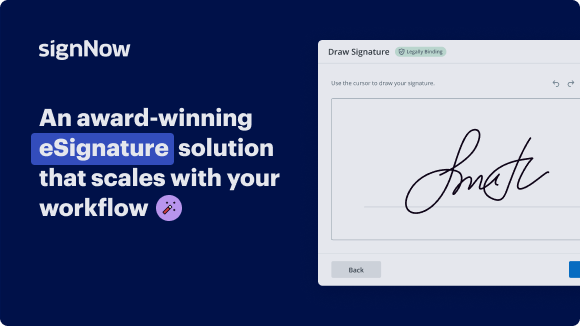
Solución de firma electrónica galardonada




Impulsa tu negocio con la solución de firma electrónica de airSlate SignNow
Agrega tu firma legalmente vinculante
Integra mediante API
Envía documentos condicionales
Comparte documentos mediante un enlace de invitación
Ahorra tiempo con plantillas reutilizables
Mejora la colaboración en equipo
Vea las firmas electrónicas de airSlate SignNow en acción


Soluciones de airSlate SignNow para una mayor eficiencia
Las reseñas de nuestros usuarios hablan por sí mismas











Por qué elegir airSlate SignNow
-
Prueba gratuita de 7 días. Elige el plan que necesitas y pruébalo sin riesgos.
-
Precios honestos para planes completos. airSlate SignNow ofrece planes de suscripción sin cargos adicionales ni tarifas ocultas al renovar.
-
Seguridad de nivel empresarial. airSlate SignNow te ayuda a cumplir con los estándares de seguridad globales.

Cómo crear una plantilla de estado de cuenta para Exportación
Crear una plantilla de estado de cuenta para Exportación usando airSlate SignNow ofrece un proceso simplificado que mejora la eficiencia en la gestión de documentos. Esta plataforma permite a las empresas generar, firmar y enviar documentos sin problemas, asegurando una buena organización y tiempos de transacción más rápidos.
Pasos para crear una plantilla de estado de cuenta para Exportación
- Visita el sitio web de airSlate SignNow usando tu navegador preferido.
- Regístrate para una prueba gratuita o inicia sesión en tu cuenta existente.
- Selecciona y carga el documento que deseas firmar o compartir para firma.
- Convierte este documento en una plantilla reutilizable para uso futuro si es necesario.
- Accede a tu documento para realizar las ediciones necesarias, que pueden incluir agregar campos rellenables o detalles adicionales.
- Firma y designa áreas para las firmas de los destinatarios.
- Procede haciendo clic en 'Continuar' para configurar y enviar una invitación de firma electrónica.
Con airSlate SignNow, las organizaciones obtienen una solución poderosa que facilita la firma de documentos con facilidad y rentabilidad. Su conjunto de funciones garantiza que las empresas logren un excelente retorno de inversión, haciendo de ella una opción rentable.
Aprovecha el soporte al cliente superior 24/7 disponible para todos los planes de pago, junto con precios transparentes que evitan cargos inesperados. ¡Comienza a transformar la firma de tus documentos hoy mismo!
Cómo funciona
Funciones de airSlate SignNow que los usuarios adoran





¡Obtenga firmas legalmente vinculantes ahora!
Preguntas frecuentes
-
¿Qué es una plantilla de estado de cuenta para exportación?
Una plantilla de estado de cuenta para exportación es un documento pre-diseñado que las empresas pueden personalizar para reflejar sus detalles de facturación y exportar para informes financieros o registros. Esta plantilla simplifica el proceso de crear estados de cuenta precisos, facilitando a las empresas gestionar sus exportaciones de manera efectiva. -
¿Cómo puedo personalizar mi plantilla de estado de cuenta para exportación?
Con airSlate SignNow, personalizar tu plantilla de estado de cuenta para exportación es sencillo. Puedes ingresar fácilmente la información de tu negocio, ajustar el diseño y agregar elementos de marca como logotipos para asegurarte de que cumple con tus requisitos específicos antes de enviarla. -
¿Cuáles son los beneficios de usar una plantilla de estado de cuenta para exportación?
Usar una plantilla de estado de cuenta para exportación aumenta la eficiencia, precisión y profesionalismo en tu documentación financiera. Ahorra tiempo ya que no necesitarás empezar desde cero cada vez, y garantiza la coherencia en tus prácticas de facturación en varias exportaciones. -
¿Puedo integrar la plantilla de estado de cuenta para exportación con otros programas?
Sí, la plantilla de estado de cuenta para exportación ofrecida por airSlate SignNow puede integrarse perfectamente con varios programas de contabilidad y ERP. Esta integración permite la transferencia automática de datos, reduciendo las posibilidades de errores y optimizando tus procesos financieros. -
¿Tiene algún costo asociado la plantilla de estado de cuenta para exportación?
AirSlate SignNow ofrece la plantilla de estado de cuenta para exportación como parte de sus planes de suscripción asequibles. Con precios competitivos, las empresas pueden acceder a esta función junto con otras herramientas de firma electrónica y gestión de documentos, asegurando una buena relación calidad-precio. -
¿Qué tan segura es la plantilla de estado de cuenta para exportación?
La seguridad es una prioridad máxima al usar la plantilla de estado de cuenta para exportación en airSlate SignNow. La plataforma emplea cifrado avanzado y protocolos de seguridad para proteger tus datos financieros sensibles durante la transmisión y almacenamiento. -
¿Puedo compartir mi plantilla de estado de cuenta para exportación con mi equipo?
¡Por supuesto! airSlate SignNow te permite compartir fácilmente tu plantilla de estado de cuenta para exportación con los miembros de tu equipo. Esta función colaborativa mejora el trabajo en equipo, permitiendo que múltiples usuarios editen y utilicen la plantilla para diferentes escenarios de exportación de manera eficiente.
Lo que dicen los usuarios activos — billing statement template for export


Obtén más para billing statement template for export
- Plantilla de Factura en Google Docs para Ciencias de la Vida
- Plantilla de Factura en Google Docs para Hipotecas
- Plantilla de Factura en Google Docs para Organizaciones Sin Fines de Lucro
- Plantilla de Factura en Google Docs para Bienes Raíces
- Plantilla de Factura en Google Docs para Personal
- Plantilla de Factura para la Industria Tecnológica
- Plantilla de Factura en Google Docs para Ciencias Animales
- Plantilla de Factura en Google Docs para Bancos
Descubre otros billing statement template for export
- Desbloquea el poder de la firma electrónica en PDF con ...
- Mejora tus documentos con una firma manuscrita
- Desbloquea el poder de la firma electrónica en Word ...
- Crea tu firma electrónica con nuestro generador de ...
- Descubre el precio del certificado DSC que se adapta a ...
- Descubre los principales proveedores de servicios de ...
- Agrega firma a PDF sin Acrobat con airSlate SignNow
- Métodos gratuitos para firmar un documento PDF en ...
- Cómo agregar una firma electrónica a un PDF en iPhone
- Cómo firmar archivos PDF electrónicamente en Windows
- Cómo firmar un archivo PDF en el teléfono de manera ...
- Aplicación para iPhone para firmar documentos de ...
- Firma PDF sin Acrobat con airSlate SignNow
- Enviar un documento con una firma por correo ...
- Cómo firmar un documento en línea y enviarlo por ...
- Cómo usar un certificado de firma digital en PDF de ...
- Cómo usar la firma electrónica en Acrobat de manera ...
- Cómo usar una firma digital en MacBook para ...
- Métodos para firmar un PDF en línea de manera fácil ...
- Comando para firmar PDF en Linux simplificado con ...