Plantilla De Diseño De Recibos Para Organizaciones Deportivas
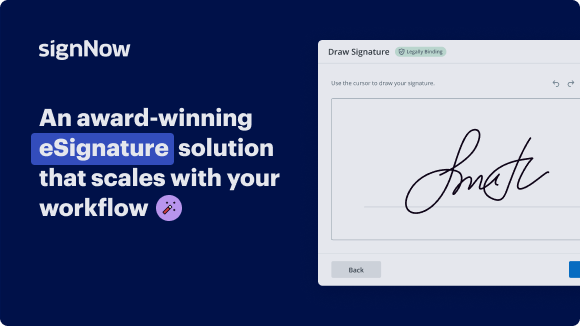
Solución de firma electrónica galardonada




Impulsa tu negocio con la solución de firma electrónica de airSlate SignNow
Agrega tu firma legalmente vinculante
Integra mediante API
Envía documentos condicionales
Comparte documentos mediante un enlace de invitación
Ahorra tiempo con plantillas reutilizables
Mejora la colaboración en equipo
Vea las firmas electrónicas de airSlate SignNow en acción


Soluciones de airSlate SignNow para una mayor eficiencia
Las reseñas de nuestros usuarios hablan por sí mismas











Por qué elegir airSlate SignNow
-
Prueba gratuita de 7 días. Elige el plan que necesitas y pruébalo sin riesgos.
-
Precios honestos para planes completos. airSlate SignNow ofrece planes de suscripción sin cargos adicionales ni tarifas ocultas al renovar.
-
Seguridad de nivel empresarial. airSlate SignNow te ayuda a cumplir con los estándares de seguridad globales.

Formato de facturación personalizado para fabricación
En el panorama competitivo actual, tener un formato de facturación personalizado para fabricación es esencial para optimizar operaciones y mejorar la precisión en las transacciones. airSlate SignNow es la solución ideal para potenciar tu negocio simplificando la gestión de firma de documentos y procesos de firma electrónica.
Cómo crear un formato de facturación personalizado para fabricación usando airSlate SignNow
- Accede al sitio web de airSlate SignNow a través de tu navegador web preferido.
- Crea una cuenta gratuita para comenzar tu prueba o simplemente inicia sesión si ya tienes una cuenta.
- Elige el documento que deseas firmar o enviar para firmas.
- Si planeas usar el documento de forma recurrente, conviértelo en una plantilla reutilizable.
- Abre el documento y personalízalo agregando los campos rellenables necesarios y otra información relevante.
- Coloca tu firma en el documento y añade campos de firma para los destinatarios que necesitan firmar.
- Procede haciendo clic en el botón 'Continuar' para configurar y enviar una solicitud de firma electrónica.
Utilizar airSlate SignNow no solo ofrece un retorno de inversión tremendo debido a su amplio conjunto de funciones, sino que también proporciona una interfaz fácil de usar que escala eficazmente con tu negocio. La plataforma está diseñada específicamente para atender a pequeñas y medianas empresas, facilitando el cumplimiento normativo.
Con estructuras de precios transparentes, puedes evitar costos inesperados típicamente asociados con soporte y complementos. Además, airSlate SignNow ofrece soporte las 24 horas para todos los usuarios en planes de pago, asegurando que tus inquietudes sean atendidas rápidamente. ¡Comienza a optimizar tus procesos de documentos hoy mismo!
Cómo funciona
Funciones de airSlate SignNow que los usuarios adoran





¡Obtenga firmas legalmente vinculantes ahora!
Preguntas frecuentes
-
¿Qué es un formato de facturación personalizado para fabricación?
Un formato de facturación personalizado para fabricación es una solución de facturación adaptada que satisface las necesidades únicas de la industria manufacturera. Este formato puede incluir descripciones específicas de artículos, cantidades y estructuras de precios que resuenan con las operaciones de fabricación, asegurando una facturación precisa y eficiente. -
¿Cómo puede ayudar airSlate SignNow con formatos de facturación personalizados para fabricación?
airSlate SignNow ofrece plantillas personalizables que permiten a las empresas crear un formato de facturación personalizado para fabricación. Esta función asegura que las facturas no solo cumplan con las normativas, sino que también estén visualmente alineadas con tu marca, ayudando a agilizar el proceso de facturación y reducir errores. -
¿Existe algún costo adicional por usar un formato de facturación personalizado para fabricación en airSlate SignNow?
No, airSlate SignNow incluye la capacidad de crear un formato de facturación personalizado para fabricación sin costo adicional. Nuestros planes de precios están diseñados para ser asequibles y ofrecer funciones extensas sin tarifas ocultas, haciendo que sea una solución rentable para empresas de todos los tamaños. -
¿Qué funciones soportan el uso de un formato de facturación personalizado para fabricación en airSlate SignNow?
Las funciones clave que soportan un formato de facturación personalizado para fabricación incluyen plantillas de documentos, capacidades de firma electrónica y integración con software de contabilidad. Estas funciones facilitan la generación rápida de facturas, el seguimiento de pagos y aseguran el cumplimiento de los estándares de la industria. -
¿Puedo integrar airSlate SignNow con mi software de contabilidad existente para usar un formato de facturación personalizado para fabricación?
Sí, airSlate SignNow se integra perfectamente con varios softwares de contabilidad, permitiéndote usar un formato de facturación personalizado para fabricación de manera eficiente. Esta integración agiliza tus procesos financieros y asegura que todos los datos de facturación estén sincronizados en todas las plataformas. -
¿Qué beneficios ofrece un formato de facturación personalizado para fabricación?
Un formato de facturación personalizado para fabricación ofrece varios beneficios, incluyendo mayor precisión en la facturación, procesamiento de pagos más rápido y mejor gestión del flujo de efectivo. Al adaptar las facturas a tus necesidades específicas, mejoras la comunicación con los clientes y mantienes la profesionalidad en tus prácticas de facturación. -
¿Cómo garantiza airSlate SignNow la seguridad al usar un formato de facturación personalizado para fabricación?
La seguridad es una prioridad en airSlate SignNow. Cuando usas un formato de facturación personalizado para fabricación, todos los documentos están encriptados y los datos sensibles están protegidos con protocolos de seguridad avanzados, brindándote tranquilidad al transmitir facturas y recibir pagos.
Lo que dicen los usuarios activos — custom billing format for manufacturing


Obtén más para custom billing format for manufacturing
- Valida una firma electrónica con airSlate SignNow
- Valida tu firma en línea de manera sencilla y rápida
- Valida tus documentos en línea con airSlate SignNow
- Validando documentos electrónicos de manera sencilla y efectiva
- Verificar documentos en línea con airSlate SignNow
- Verificar documentos en línea gratis de forma fácil y rápida
- Verificar en línea con airSlate SignNow para una firma electrónica eficiente
- Verificar en línea gratis con airSlate SignNow