Crea Tu Plantilla De Recibo De Microsoft Para Contabilidad Sin Esfuerzo
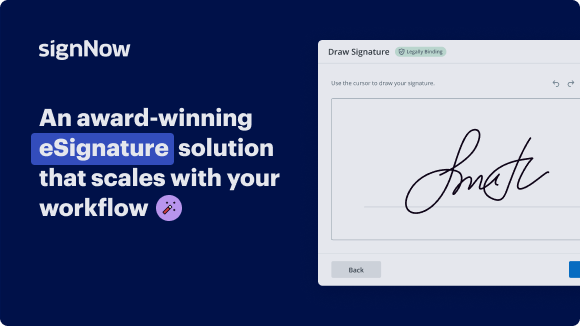
Solución de firma electrónica galardonada




Impulsa tu negocio con la solución de firma electrónica de airSlate SignNow
Agrega tu firma legalmente vinculante
Integra mediante API
Envía documentos condicionales
Comparte documentos mediante un enlace de invitación
Ahorra tiempo con plantillas reutilizables
Mejora la colaboración en equipo
Vea las firmas electrónicas de airSlate SignNow en acción


Soluciones de airSlate SignNow para una mayor eficiencia
Las reseñas de nuestros usuarios hablan por sí mismas











Por qué elegir airSlate SignNow
-
Prueba gratuita de 7 días. Elige el plan que necesitas y pruébalo sin riesgos.
-
Precios honestos para planes completos. airSlate SignNow ofrece planes de suscripción sin cargos adicionales ni tarifas ocultas al renovar.
-
Seguridad de nivel empresarial. airSlate SignNow te ayuda a cumplir con los estándares de seguridad globales.

Uso de la plantilla de recibo de Microsoft para contabilidad
Al gestionar las finanzas de tu negocio, una plantilla de recibo profesional puede agilizar tus procesos. La plantilla de recibo de Microsoft para contabilidad no solo mejora la gestión de registros, sino que también simplifica el proceso de seguimiento de pagos. Además, aprovechar herramientas como airSlate SignNow puede optimizar aún más la gestión de documentos y los flujos de firma, ahorrándote tiempo y reduciendo errores.
Pasos para utilizar la plantilla de recibo de Microsoft para contabilidad con airSlate SignNow
- Abre tu navegador web y navega a la página principal de airSlate SignNow.
- Crea una cuenta de prueba gratuita o inicia sesión con tus credenciales existentes.
- Selecciona el documento que deseas firmar o enviar para que otros lo firmen.
- Para reutilizar el documento en el futuro, conviértelo en una plantilla personalizable.
- Accede a tu documento para realizar las ediciones necesarias, como insertar campos rellenables y otra información.
- Completa el proceso de firma añadiendo campos de firma para los destinatarios.
- Procede haciendo clic en Continuar para establecer y enviar tu invitación de firma electrónica.
Al elegir airSlate SignNow, las empresas disfrutan de un retorno de inversión debido a su conjunto completo de funciones que se adaptan a las restricciones presupuestarias. Su interfaz fácil de usar está diseñada para crecer junto con pequeñas y medianas empresas, asegurando escalabilidad y facilidad de uso.
Con políticas de precios transparentes, no hay costos imprevistos ni cargos adicionales por soporte. Además, airSlate SignNow ofrece un soporte al cliente excepcional 24/7 para todos los niveles de suscripción. Comienza a mejorar tu flujo de trabajo de documentos hoy — ¡tu eficiencia te espera!
Cómo funciona
Funciones de airSlate SignNow que los usuarios adoran





¡Obtenga firmas legalmente vinculantes ahora!
Preguntas frecuentes
-
¿Qué es una plantilla de recibo de Microsoft para contabilidad?
Una plantilla de recibo de Microsoft para contabilidad es un documento pre-diseñado que permite a las empresas crear y gestionar recibos de manera eficiente. Ayuda a agilizar el proceso de facturación y garantiza un registro preciso. Esta plantilla puede personalizarse para incluir detalles específicos de tus transacciones, convirtiéndola en una herramienta valiosa para mantener la transparencia financiera. -
¿Cómo puedo usar una plantilla de recibo de Microsoft para contabilidad en airSlate SignNow?
Puedes importar fácilmente una plantilla de recibo de Microsoft para contabilidad en airSlate SignNow para facilitar la firma electrónica sin problemas y la gestión de documentos. Con nuestra plataforma, puedes completar, enviar y firmar recibos electrónicamente, lo que acelera significativamente el proceso contable. Esta integración permite una mayor precisión y cumplimiento en tu documentación financiera. -
¿Existe un costo asociado con el uso de una plantilla de recibo de Microsoft para contabilidad en airSlate SignNow?
Mientras que airSlate SignNow ofrece varios planes de precios, el costo de usar una plantilla de recibo de Microsoft para contabilidad está incluido en nuestros paquetes de suscripción. Esto significa que puedes acceder no solo a la plantilla sino también a todas las funciones que vienen con nuestras soluciones de firma electrónica. Explora nuestra política de precios flexibles para encontrar la mejor opción para las necesidades de tu negocio. -
¿Qué características debo buscar en una plantilla de recibo de Microsoft para contabilidad?
Al elegir una plantilla de recibo de Microsoft para contabilidad, busca características como campos personalizables, cálculos automáticos y compatibilidad con software de contabilidad. Una buena plantilla también debe permitirte insertar fácilmente el logotipo y los elementos de marca de tu empresa. Además, asegúrate de que soporte múltiples formatos de exportación para tu conveniencia. -
¿Puede una plantilla de recibo de Microsoft para contabilidad integrarse con otro software?
Sí, una plantilla de recibo de Microsoft para contabilidad puede integrarse fácilmente con varios sistemas de software de contabilidad y finanzas. airSlate SignNow proporciona APIs y flujos de trabajo automatizados que permiten una integración sin problemas. Esta capacidad mejora la eficiencia de tu contabilidad asegurando que todos tus datos financieros se sincronicen sin problemas entre plataformas. -
¿Cuáles son los beneficios de usar una plantilla de recibo de Microsoft para contabilidad?
Usar una plantilla de recibo de Microsoft para contabilidad ofrece múltiples beneficios, como ahorro de tiempo, reducción de errores y resultados profesionales. Permite a las empresas generar rápidamente recibos que son esenciales para la contabilidad y los impuestos. Además, combinarla con la funcionalidad de firma electrónica de airSlate SignNow añade una capa adicional de eficiencia y seguridad a tus transacciones. -
¿Es posible personalizar una plantilla de recibo de Microsoft para contabilidad?
¡Por supuesto! Una plantilla de recibo de Microsoft para contabilidad puede ser completamente personalizada para adaptarse a tus requisitos específicos. Puedes modificar campos, cambiar estilos y agregar los elementos de marca de tu empresa. Esta flexibilidad asegura que los recibos que emites estén alineados con tu imagen profesional y satisfagan tus necesidades operativas.
Lo que dicen los usuarios activos — microsoft receipt template for accounting


Obtén más para microsoft receipt template for accounting
- Generador de recibos de Airbnb para organizaciones
- Generador de recibos de Airbnb para ONGs
- Generador de recibos de Airbnb para organizaciones sin fines de lucro
- Plantilla de factura de arquitecto para empresas
- Plantilla de factura para arquitectos para empresas
- Plantilla de factura de arquitecto para empresas
- Plantilla de factura para arquitectos para pequeñas empresas
- Plantilla de factura de arquitecto para equipos
Descubre otros microsoft receipt template for accounting
- Descubre las mejores herramientas de firma de ...
- Firma documentos sin esfuerzo con nuestra solución de ...
- Agrega fácilmente firma electrónica a Google Docs ...
- Cómo usar Google Docs para firmar documentos con ...
- Cómo agregar una firma digital a un formulario de ...
- Descubre soluciones de firma electrónica compatibles ...
- Descubre nuestra solución de firma compatible con ...
- Inicio de sesión de firma en línea sin esfuerzo para ...
- Colocar firma electrónica en Google Doc es fácil con ...
- Creador de firmas en tamil para simplificar tus ...
- Plantilla de firma HTML para simplificar la gestión de ...