Herramienta De Propuestas Únicas De SignNow
Solución de firma electrónica galardonada




Impulsa tu negocio con la solución de firma electrónica de airSlate SignNow
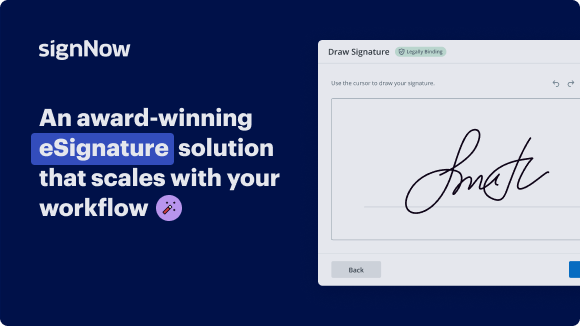
Agrega tu firma legalmente vinculante
Crea tu firma en segundos en cualquier computadora de escritorio o dispositivo móvil, incluso sin conexión. Escribe, dibuja o sube una imagen de tu firma.
Integra mediante API
Ofrece una experiencia de firma electrónica fluida desde cualquier sitio web, CRM o aplicación personalizada, en cualquier momento y lugar.
Envía documentos condicionales
Organiza varios documentos en grupos y rútalos automáticamente a los destinatarios según su rol.
Comparte documentos mediante un enlace de invitación
Recoge firmas más rápido compartiendo tus documentos con varios destinatarios mediante un enlace, sin necesidad de añadir direcciones de correo electrónico.
Ahorra tiempo con plantillas reutilizables
Crea plantillas ilimitadas de tus documentos más utilizados. Haz que tus plantillas sean fáciles de completar añadiendo campos rellenables personalizables.
Mejora la colaboración en equipo
Crea equipos en airSlate SignNow para colaborar de forma segura en documentos y plantillas. Envía la versión aprobada a cada firmante.
Vea las firmas electrónicas de airSlate SignNow en acción


Soluciones de airSlate SignNow para una mayor eficiencia
Mantén los contratos protegidos
Mejora la seguridad de tus documentos y mantén los contratos a salvo de accesos no autorizados con opciones de autenticación de dos factores. Pide a tus destinatarios que demuestren su identidad antes de abrir un contrato para proposal document automation.
Mantente móvil mientras firmas electrónicamente
Instala la aplicación de airSlate SignNow en tu dispositivo iOS o Android y cierra acuerdos desde cualquier lugar, 24/7. Trabaja con formularios y contratos incluso sin conexión y proposal document automation más tarde cuando se restablezca tu conexión a internet.
Integra firmas electrónicas en tus aplicaciones empresariales
Incorpora airSlate SignNow en tus aplicaciones empresariales para proposal document automation rápidamente sin cambiar entre ventanas y pestañas. Aprovecha las integraciones de airSlate SignNow para ahorrar tiempo y esfuerzo al firmar formularios electrónicamente en solo unos clics.
Genera formularios rellenables con campos inteligentes
Actualiza cualquier documento con campos rellenables, hazlos obligatorios u opcionales, o añade condiciones para que aparezcan. Asegúrate de que los firmantes completen tu formulario correctamente asignando roles a los campos.
Cierra acuerdos y recibe pagos rápidamente
Recoge documentos de clientes y socios en minutos en lugar de semanas. Pide a tus firmantes que proposal document automation e incluye un campo de solicitud de pago en tu muestra para cobrar automáticamente durante la firma del contrato.
Recoger firmas
24x
más rápido
Reduce los costos en
$30
por documento
Guardar hasta
40h
por empleado / mes
Las reseñas de nuestros usuarios hablan por sí mismas

Kodi-Marie Evans
Director de Operaciones de NetSuite en Xerox

Samantha Jo
Socio de cliente Enterprise en Yelp


Megan Bond
Gestión de marketing digital en Electrolux






prepárate para obtener más
Por qué elegir airSlate SignNow
-
Prueba gratuita de 7 días. Elige el plan que necesitas y pruébalo sin riesgos.
-
Precios honestos para planes completos. airSlate SignNow ofrece planes de suscripción sin cargos adicionales ni tarifas ocultas al renovar.
-
Seguridad de nivel empresarial. airSlate SignNow te ayuda a cumplir con los estándares de seguridad globales.

Funciones de airSlate SignNow que los usuarios adoran





prepárate para obtener más
¡Obtenga firmas legalmente vinculantes ahora!
Preguntas frecuentes
-
¿Qué es la automatización de documentos de propuesta?
La automatización de documentos de propuesta es el proceso de usar software para agilizar la creación, envío y firma de documentos de propuesta. Este método reduce el esfuerzo manual, minimiza errores y acelera el proceso de aprobación. Con airSlate SignNow, las empresas pueden automatizar fácilmente su documentación de propuestas para flujos de trabajo rápidos y eficientes. -
¿Cómo mejora airSlate SignNow la automatización de documentos de propuesta?
airSlate SignNow ofrece una interfaz fácil de usar y herramientas potentes que simplifican la automatización de documentos de propuesta. Permite a los usuarios crear plantillas, rastrear cambios y recopilar firmas electrónicas de manera eficiente. Al automatizar el proceso de propuestas, las empresas pueden ahorrar tiempo y mejorar la colaboración entre equipos. -
¿Cuáles son los beneficios de usar la automatización de documentos de propuesta con airSlate SignNow?
Utilizar la automatización de documentos de propuesta con airSlate SignNow trae varios beneficios, incluyendo mayor eficiencia, reducción del tiempo de respuesta y mayor precisión. Las empresas pueden asegurarse de que sus propuestas estén siempre actualizadas y cumplan con las normativas. Además, los flujos de trabajo automatizados ayudan a los equipos a centrarse en tareas más estratégicas en lugar de manejar documentos manualmente. -
¿Es rentable airSlate SignNow para la automatización de documentos de propuesta?
Sí, airSlate SignNow está diseñado para ser una solución rentable para la automatización de documentos de propuesta. Ofrece varios planes de precios que se adaptan a diferentes tamaños y necesidades empresariales. Esta flexibilidad permite a las organizaciones elegir un plan que se ajuste a su presupuesto y que aún así aproveche las funciones de automatización robustas. -
¿Puedo integrar airSlate SignNow con otros programas para la automatización de documentos de propuesta?
¡Por supuesto! airSlate SignNow ofrece integraciones sin problemas con aplicaciones populares, haciendo que la automatización de documentos de propuesta sea aún más eficiente. Ya sea que uses sistemas CRM, herramientas de gestión de proyectos u otro software, estas integraciones pueden ayudar a centralizar tu flujo de trabajo y mejorar la productividad en toda tu organización. -
¿Qué funciones debo buscar en las herramientas de automatización de documentos de propuesta?
Al considerar herramientas de automatización de documentos de propuesta, busca funciones como creación de plantillas, firma electrónica, seguimiento de documentos y análisis. airSlate SignNow incluye todas estas herramientas esenciales junto con opciones de personalización fáciles de usar. Esto asegura que tus propuestas no solo tengan un aspecto profesional, sino que también satisfagan las necesidades específicas de tu negocio. -
¿Qué tan segura es la automatización de documentos de propuesta con airSlate SignNow?
La seguridad es una prioridad principal para airSlate SignNow en lo que respecta a la automatización de documentos de propuesta. La plataforma emplea métodos avanzados de cifrado para proteger tus documentos y datos. Además, ofrece funciones para cumplir con estándares regulatorios, asegurando que tu información sensible permanezca protegida durante todo el proceso de automatización.
Lo que dicen los usuarios activos — proposal document automation


Obtén más para proposal document automation
- Diseño de Facturas en Excel para la Industria de Seguros
- Diseño de Facturas en Excel para Servicios Legales
- Diseño de Facturas en Excel para Ciencias de la Vida
- Diseño de Facturas en Excel para Hipotecas
- Diseño de Facturas en Excel para Organizaciones Sin Fines de Lucro
- Diseño de Factura en Excel para Bienes Raíces
- Diseño de Facturas en Excel para el Comercio Minorista
- Diseño de Facturas en Excel para Empresas de Personal
Descubre otros proposal document automation
esté listo para obtener más