Firmar Carta De Dificultades De Manera Sencilla
Solución de firma electrónica galardonada





Obtén las funciones robustas de firma electrónica que necesitas de la empresa en la que confías
Elige la plataforma profesional diseñada para profesionales
Configura la API de firma electrónica con facilidad
Trabaja mejor en equipo
Firma la carta de dificultades en minutos
Reduce el tiempo de cierre
Mantén los datos sensibles seguros
Vea las firmas electrónicas de airSlate SignNow en acción
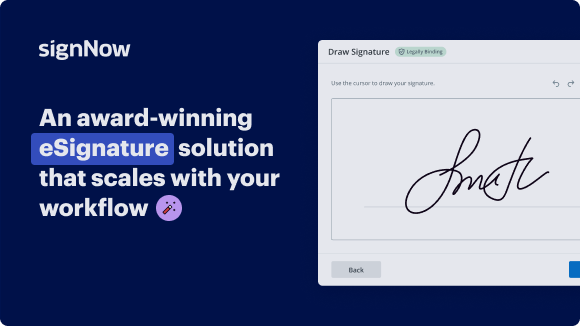


Soluciones de airSlate SignNow para una mayor eficiencia
Las reseñas de nuestros usuarios hablan por sí mismas











Por qué elegir airSlate SignNow
-
Prueba gratuita de 7 días. Elige el plan que necesitas y pruébalo sin riesgos.
-
Precios honestos para planes completos. airSlate SignNow ofrece planes de suscripción sin cargos adicionales ni tarifas ocultas al renovar.
-
Seguridad de nivel empresarial. airSlate SignNow te ayuda a cumplir con los estándares de seguridad globales.
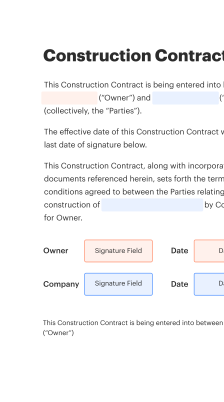
Tu guía paso a paso — sign hardship letter
Aprovechando la firma electrónica de airSlate SignNow, cualquier organización puede acelerar los flujos de firma y firmar en línea en tiempo real, ofreciendo una experiencia superior a clientes y empleados. Usa firmar Carta de Dificultades en unos pocos pasos sencillos. Nuestras aplicaciones móviles permiten trabajar en movimiento, incluso sin conexión! Firma documentos desde cualquier lugar del mundo y cierra tratos en menos tiempo.
Sigue la guía paso a paso para usar firmar Carta de Dificultades:
- Inicia sesión en tu cuenta de airSlate SignNow.
- Encuentra tu registro en tus carpetas o importa uno nuevo.
- Abre el registro ajustando usando el menú Herramientas.
- Arrastra y suelta cuadros rellenables, escribe texto y firma electrónicamente.
- Incluye múltiples firmantes usando sus correos electrónicos y establece la secuencia de firma.
- Elige qué personas pueden recibir un documento completo.
- Usa Opciones avanzadas para restringir el acceso al registro y establecer una fecha de expiración.
- Haz clic en Guardar y Cerrar cuando termines.
Además, hay capacidades extendidas disponibles para firmar Carta de Dificultades. Agrega usuarios a tu entorno de trabajo colaborativo, visualiza equipos y realiza un seguimiento del trabajo en equipo. Millones de usuarios en EE. UU. y Europa están de acuerdo en que un sistema que une a las personas en un entorno holístico, es lo que las empresas necesitan para mantener los flujos de trabajo funcionando sin problemas. La API REST de airSlate SignNow te permite integrar firmas electrónicas en tu aplicación, sitio web, CRM o nube. Explora airSlate SignNow y disfruta de flujos de firma electrónica más rápidos, suaves y en general más efectivos!
Cómo funciona
Funciones de airSlate SignNow que los usuarios adoran





Vea resultados excepcionales firmar Carta de Dificultades de manera sencilla
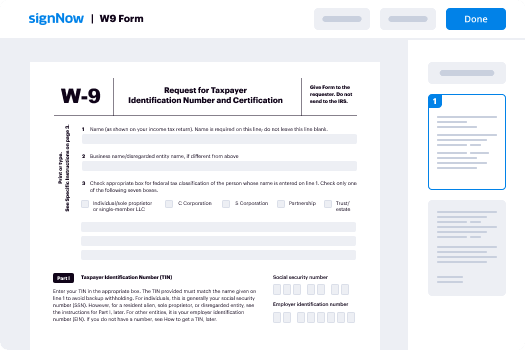
Cómo completar y firmar un PDF en línea
Prueba la forma más rápida de firmar Carta de Dificultades. Evita flujos de trabajo en papel y gestiona documentos directamente desde airSlate SignNow. Completa y comparte tus formularios desde la oficina o trabaja sin problemas en movimiento. No se requiere instalación ni software adicional. Todas las funciones están disponibles en línea, solo ingresa a signnow.com y crea tu propio flujo de firma electrónica.
Una breve guía sobre cómo firmar Carta de Dificultades en minutos
- Crea una cuenta en airSlate SignNow (si aún no te has registrado) o inicia sesión usando tu Google o Facebook.
- Haz clic en Subir y selecciona uno de tus documentos.
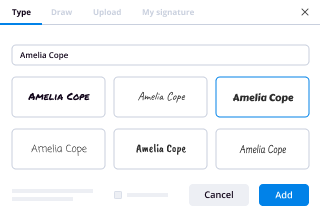
- Usa la herramienta Mi Firma para crear tu firma única.
- Convierte el documento en un PDF dinámico con campos rellenables.
- Completa tu nuevo formulario y haz clic en Hecho.
Una vez terminado, envía una invitación para firmar a múltiples destinatarios. Obtén un contrato ejecutable en minutos usando cualquier dispositivo. Explora más funciones para hacer PDFs profesionales; agrega campos rellenables firma Carta de Dificultades y colabora en equipos. La solución de firma electrónica proporciona un flujo de trabajo seguro y funciona de acuerdo con la certificación SOC 2 Tipo II. Asegúrate de que todos tus registros estén protegidos y que nadie pueda editarlos.
Cómo firmar electrónicamente una plantilla PDF en Google Chrome
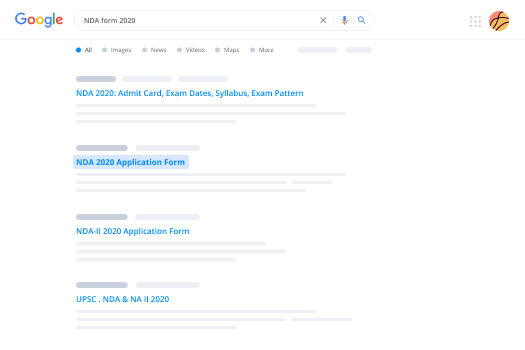
¿Buscas una solución para firmar Carta de Dificultades directamente desde Chrome? La extensión de airSlate SignNow para Google está aquí para ayudarte. Encuentra un documento y desde tu navegador ágilmente ábrelo en el editor. Agrega campos rellenables para texto y firma. Firma el PDF y compártelo de forma segura según GDPR, certificación SOC 2 Tipo II y más.
Usando esta breve guía paso a paso, expande tu flujo de firma electrónica en Google y firma Carta de Dificultades:
- Ve a la tienda web de Chrome y busca la extensión de airSlate SignNow.
- Haz clic en Agregar a Chrome.
- Inicia sesión en tu cuenta o regístrate una nueva.
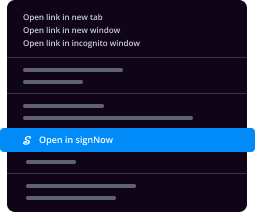
- Sube un documento y haz clic en Abrir en airSlate SignNow.
- Modifica el documento.
- Firma el PDF usando la herramienta Mi Firma.
- Haz clic en Hecho para guardar tus ediciones.
- Invita a otros participantes a firmar haciendo clic en Invitar a Firmar y seleccionando sus correos electrónicos/nombres.
Crea una firma que esté integrada en tu flujo de trabajo para firmar Carta de Dificultades y obtener PDFs firmados electrónicamente en minutos. Di adiós a las pilas de papeles en tu oficina y comienza a ahorrar dinero y tiempo para actividades más importantes. Elegir la extensión de Google de airSlate SignNow es una decisión inteligente y conveniente con muchas ventajas.
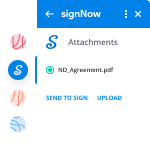

Cómo firmar electrónicamente un adjunto en Gmail
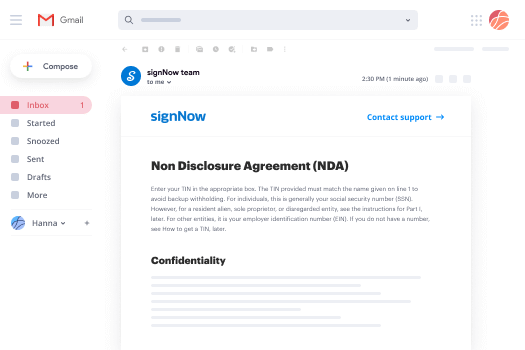
Si eres como la mayoría, estás acostumbrado a descargar los adjuntos que recibes, imprimirlos y luego firmarlos, ¿verdad? Bueno, tenemos buenas noticias para ti. Firmar documentos en tu bandeja de entrada ahora es mucho más fácil. El complemento de airSlate SignNow para Gmail te permite firmar Carta de Dificultades sin salir de tu buzón. Haz todo lo que necesitas; agrega campos rellenables y envía solicitudes de firma con unos clics.
Cómo firmar Carta de Dificultades en Gmail:
- Busca airSlate SignNow para Gmail en el Mercado de G Suite y haz clic en Instalar.
- Inicia sesión en tu cuenta de airSlate SignNow o crea una nueva.
- Abre tu correo con el PDF que necesitas firmar.
- Haz clic en Subir para guardar el documento en tu cuenta de airSlate SignNow.
- Haz clic en Abrir documento para abrir el editor.
- Firma el PDF usando Mi Firma.
- Envía una solicitud de firma a los otros participantes con el botón Enviar para Firmar.
- Ingresa su correo electrónico y presiona OK.
Como resultado, los otros participantes recibirán notificaciones indicándoles que deben firmar el documento. No es necesario descargar el archivo PDF una y otra vez, simplemente firma Carta de Dificultades con unos clics. Este complemento es adecuado para quienes prefieren trabajar en objetivos más importantes en lugar de perder tiempo en cosas sin importancia. Mejora tu trabajo diario obligatorio con la solución de firma electrónica galardonada.
Cómo firmar electrónicamente un PDF en movimiento sin una aplicación móvil
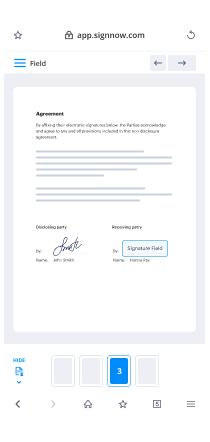
Para muchos productos, realizar acuerdos en movimiento significa instalar una aplicación en tu teléfono. Nos complace decir que en airSlate SignNow hemos hecho que firmar en movimiento sea más rápido y fácil eliminando la necesidad de una aplicación móvil. Para firmar electrónicamente, abre tu navegador (cualquier navegador móvil) y accede directamente a airSlate SignNow y todas sus potentes herramientas de firma electrónica. Edita documentos, firma Carta de Dificultades y más. No se requiere instalación ni software adicional. Cierra tu acuerdo desde cualquier lugar.
Consulta nuestras instrucciones paso a paso que te enseñan cómo firmar Carta de Dificultades.
- Abre tu navegador y ve a signnow.com.
- Inicia sesión o registra una cuenta nueva.
- Sube o abre el documento que deseas editar.
- Agrega campos rellenables para texto, firma y fecha.
- Dibuja, escribe o sube una firma.
- Haz clic en Guardar y Cerrar.
- Haz clic en Invitar a Firmar e ingresa el correo electrónico del destinatario si necesitas que otros firmen el PDF.
Trabajar en móvil no es diferente que en un escritorio: crea una plantilla reutilizable, firma Carta de Dificultades y gestiona el flujo como lo harías normalmente. En unos pocos clics, obtén un contrato ejecutable que puedes descargar a tu dispositivo y enviar a otros. Sin embargo, si realmente quieres una aplicación, descarga la aplicación móvil de airSlate SignNow. Es segura, rápida y tiene un diseño intuitivo. Disfruta de flujos de firma electrónica suaves desde tu lugar de trabajo, en un taxi o en un avión.
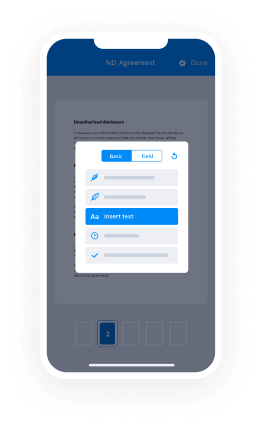
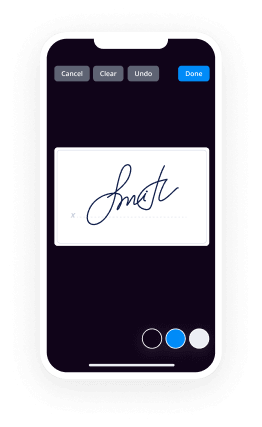
Cómo firmar un PDF usando un iPhone
iOS es un sistema operativo muy popular equipado con herramientas nativas. Permite firmar y editar PDFs usando Preview sin software adicional. Sin embargo, por más que la solución de Apple sea excelente, no ofrece automatización. Mejora las capacidades de tu iPhone aprovechando la aplicación de airSlate SignNow. Usa tu iPhone o iPad para firmar Carta de Dificultades y más. Introduce la automatización de firma electrónica en tu flujo móvil.
Firmar en un iPhone nunca ha sido tan fácil:
- Busca la aplicación de airSlate SignNow en la App Store e instálala.
- Crea una cuenta nueva o inicia sesión con tu Facebook o Google.
- Haz clic en Plus y sube el archivo PDF que deseas firmar.
- Toca en el documento donde quieres insertar tu firma.
- Explora otras funciones: agrega campos rellenables o firma Carta de Dificultades.
- Usa el botón Guardar para aplicar los cambios.
- Comparte tus documentos por correo electrónico o mediante un enlace de firma.
Haz PDFs profesionales directamente desde tu aplicación de airSlate SignNow. Aprovecha al máximo tu tiempo y trabaja desde cualquier lugar; en casa, en la oficina, en un autobús o en un avión, e incluso en la playa. Gestiona todo el flujo de documentos sin problemas: genera plantillas reutilizables, firma Carta de Dificultades y trabaja en archivos PDF con socios. Convierte tu dispositivo en una herramienta empresarial poderosa para cerrar contratos.
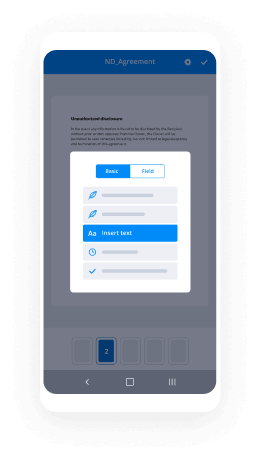
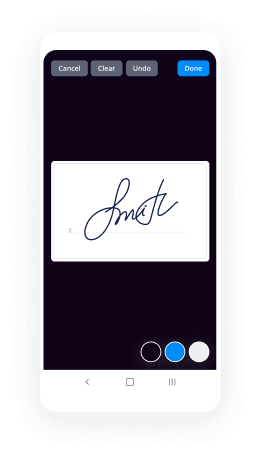
Cómo firmar un PDF aprovechando una firma digital
Primero, asegúrate de que el PDF que planeas firmar sea elegible para firmas electrónicas o digitales. Las firmas digitales son necesarias solo para archivos que requieren autenticación completa con certificados encriptados. Deberás solicitar claves específicas a instituciones autorizadas. Sin embargo, también puedes verificar tu muestra con una firma electrónica. Considera usar un servicio como airSlate SignNow. Permite firmar electrónicamente documentos sin software adicional en tu escritorio o con una aplicación móvil conveniente. Sube un PDF, agrega tu firma y guarda el archivo.
¡Obtenga firmas legalmente vinculantes ahora!
Preguntas frecuentes
-
¿Qué pones en una carta de dificultades?
Ya sea una declaración jurada o una carta, incluye los siguientes detalles: Nombre, dirección, número de teléfono, fecha, número de préstamo. Breve introducción solicitando permiso para vender tu casa en una venta corta. Detalles de dificultades y comparables del vecindario. -
¿Qué significa dificultad personal?
una condición que es difícil de soportar; sufrimiento; privación; opresión: una vida de dificultades. un ejemplo o causa de esto; algo difícil de soportar, como una privación, falta de comodidad o trabajo constante o peligro: Enfrentaron valientemente las muchas dificultades de la vida en la frontera. -
¿Cómo escribo una carta de dificultades al IRS?
Resalta completamente tus circunstancias personales. ... Asegúrate de incluir toda la documentación relevante. ... Indica información identificativa. ... Siempre incluye el Formulario 433 y cualquier otro formulario que aplique a tu situación. ... Sé siempre cortés. ... Nunca seas vago. -
¿Qué escribes en una carta de dificultades financieras?
Mantén la carta concisa. Explica tu situación. Mantén tu solicitud específica. Reitera tu solicitud. -
¿Qué califica como dificultad financiera?
La dificultad financiera generalmente se refiere a una situación en la que una persona no puede mantenerse al día con los pagos de deudas y facturas o si la cantidad que necesitas pagar cada mes es mayor que la que ganas, debido a una circunstancia fuera de tu control. -
¿Cómo presento una dificultad financiera al IRS?
Llena el formulario necesario del IRS. Puedes comenzar el proceso de solicitar una dificultad financiera llenando los formularios apropiados. Los formularios del IRS que necesitas completar se pueden encontrar en el sitio web del IRS. Si estás presentando una obligación personal, deberás completar y enviar el Formulario 433-A del IRS. -
¿Qué se clasifica como dificultad financiera?
La dificultad financiera es la dificultad para pagar los reembolsos de tus préstamos y deudas cuando vencen. A menudo hay dos razones principales para la dificultad financiera: ... No pudiste pagar el préstamo cuando se obtuvo originalmente. -
¿Califico para una dificultad financiera parcial?
IBR requiere que pagues una fracción mayor de tus ingresos discrecionales — 15 por ciento — antes de calificar para una dificultad financiera parcial. Por otro lado, PAYE solo requiere que pagues el 10 por ciento de tus ingresos discrecionales antes de calificar para una dificultad financiera. -
¿Puede el IRS hacerte sin hogar?
El IRS no quiere dejar a los contribuyentes sin hogar; sin embargo, necesitan cobrar la deuda. Podrían recomendarte vender tu casa para pagar tu deuda, o podrían incautarla si consideran que es la única forma de obtener el pago. ... Por lo tanto, es posible que el IRS incauten y vendan tu casa.


