Propuesta De Construcción Del Bloque De Firma Fácil De Usar
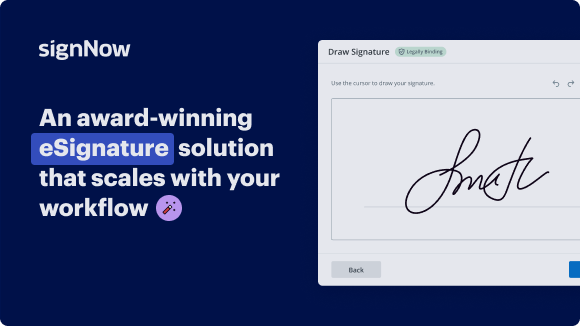
Solución de firma electrónica galardonada





Mejore su flujo de trabajo de documentos con airSlate SignNow
Flujos de firma electrónica flexibles
Visibilidad rápida del estado del documento
Configuración fácil y rápida de integración
Propuesta de construcción del bloque de firma en cualquier dispositivo
Registro avanzado de auditoría
Normas de seguridad estrictas
Vea las firmas electrónicas de airSlate SignNow en acción


Soluciones de airSlate SignNow para una mayor eficiencia
Las reseñas de nuestros usuarios hablan por sí mismas











Por qué elegir airSlate SignNow
-
Prueba gratuita de 7 días. Elige el plan que necesitas y pruébalo sin riesgos.
-
Precios honestos para planes completos. airSlate SignNow ofrece planes de suscripción sin cargos adicionales ni tarifas ocultas al renovar.
-
Seguridad de nivel empresarial. airSlate SignNow te ayuda a cumplir con los estándares de seguridad globales.
Tu guía paso a paso — signature block construction proposal
Aprovechar la firma electrónica de airSlate SignNow permite a cualquier empresa aumentar los flujos de firma y firmar en línea en tiempo real, brindando una mejor experiencia a clientes y empleados. Use la propuesta de construcción del bloque de firma en unos pasos sencillos. Nuestras aplicaciones móviles hacen posible trabajar en movimiento, incluso sin conexión! Firme desde cualquier lugar del mundo y complete tareas más rápido.
Siga la guía paso a paso para usar la propuesta de construcción del bloque de firma:
- Inicie sesión en su cuenta de airSlate SignNow.
- Ubique su documento en sus carpetas o importe uno nuevo.
- Acceda a la plantilla ajustando usando la lista Herramientas.
- Agregue cuadros rellenables, añada contenido textual y fírmelo.
- Liste varios firmantes por correos electrónicos y configure la secuencia de firma.
- Indique qué destinatarios pueden recibir un documento firmado.
- Utilice Opciones avanzadas para reducir el acceso al documento y agregar una fecha de vencimiento.
- Haga clic en Guardar y cerrar cuando termine.
Además, hay capacidades mejoradas abiertas para la propuesta de construcción del bloque de firma. Incluya usuarios en su espacio de trabajo compartido, vea equipos y siga la cooperación. Millones de consumidores en EE. UU. y Europa están de acuerdo en que una solución que reúne a las personas en un área de trabajo cohesiva es exactamente lo que las empresas necesitan para mantener los flujos de trabajo funcionando sin problemas. La API REST de airSlate SignNow le permite integrar firmas electrónicas en su aplicación, sitio web, CRM o nube. Descubra airSlate SignNow y disfrute de flujos de firma electrónica más rápidos, fáciles y en general más productivos!
Cómo funciona
Funciones de airSlate SignNow que los usuarios adoran





Vea resultados excepcionales Propuesta de construcción del bloque de firma fácil de usar
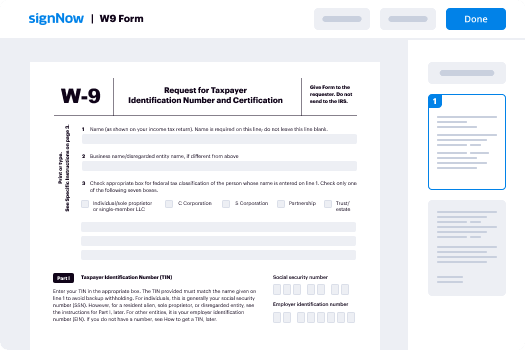
Cómo completar y firmar electrónicamente un documento en línea
Pruebe la forma más rápida de la propuesta de construcción del bloque de firma. Evite flujos de trabajo en papel y gestione documentos directamente desde airSlate SignNow. Complete y comparta sus formularios desde la oficina o trabaje sin problemas en movimiento. No se requiere instalación ni software adicional. Todas las funciones están disponibles en línea, solo vaya a signnow.com y cree su propio flujo de firma electrónica.
Una breve guía sobre cómo usar la propuesta de construcción del bloque de firma en minutos
- Cree una cuenta de airSlate SignNow (si aún no se ha registrado) o inicie sesión usando su Google o Facebook.
- Haga clic en Subir y seleccione uno de sus documentos.
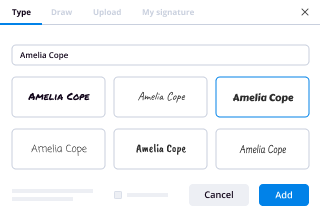
- Utilice la herramienta Mi firma para crear su firma única.
- Convierta el documento en un PDF dinámico con campos rellenables.
- Complete su nuevo formulario y haga clic en Hecho.
Una vez terminado, envíe una invitación para firmar a varios destinatarios. Obtenga un contrato ejecutable en minutos usando cualquier dispositivo. Explore más funciones para crear PDFs profesionales; agregue campos rellenables, firma del bloque de firma y colabore en equipos. La solución de firma electrónica ofrece un flujo de trabajo confiable y funciona de acuerdo con la certificación SOC 2 Tipo II. Asegúrese de que todos sus datos estén protegidos y que nadie pueda modificarlos.
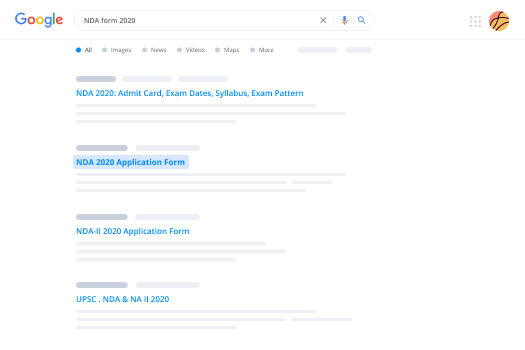
Cómo firmar electrónicamente un PDF en Google Chrome
¿Busca una solución para la propuesta de construcción del bloque de firma directamente desde Chrome? La extensión de airSlate SignNow para Google está aquí para ayudar. Encuentre un documento y, directamente desde su navegador, ábralo fácilmente en el editor. Agregue campos rellenables para texto y firma. Firme el PDF y compártalo de forma segura según GDPR, certificación SOC 2 Tipo II y más.
Usando esta breve guía paso a paso, expanda su flujo de firma electrónica en Google y la propuesta de construcción del bloque de firma:
- Vaya a la tienda web de Chrome y busque la extensión de airSlate SignNow.
- Haga clic en Agregar a Chrome.
- Inicie sesión en su cuenta o registre una nueva.
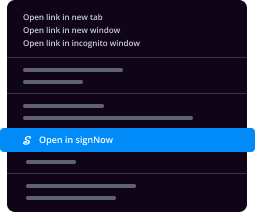
- Suba un documento y haga clic en Abrir en airSlate SignNow.
- Modifique el documento.
- Firme el PDF usando la herramienta Mi firma.
- Haga clic en Hecho para guardar sus ediciones.
- Invite a otros participantes a firmar haciendo clic en Invitar a firmar y seleccionando sus correos electrónicos/nombres.
Cree una firma integrada en su flujo de trabajo para la propuesta de construcción del bloque de firma y obtenga PDFs firmados electrónicamente en minutos. Diga adiós a las pilas de papeles en su oficina y comience a ahorrar tiempo y dinero para tareas más importantes. Elegir la extensión de Google de airSlate SignNow es una opción muy útil con muchas ventajas.
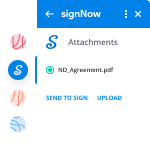

Cómo firmar un adjunto en Gmail
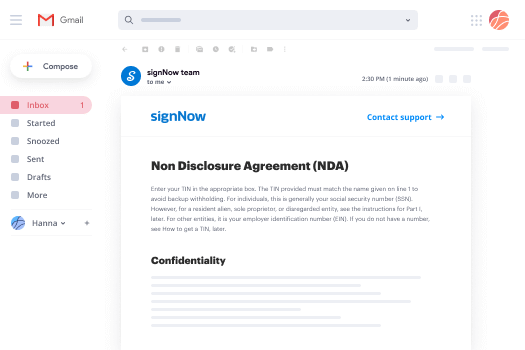
Si eres como la mayoría, estás acostumbrado a descargar los archivos adjuntos que recibes, imprimirlos y luego firmarlos, ¿verdad? Bueno, tenemos buenas noticias para ti. Firmar documentos en tu bandeja de entrada ahora es mucho más fácil. El complemento de airSlate SignNow para Gmail te permite la propuesta de construcción del bloque de firma sin salir de tu buzón. Haz todo lo que necesitas; agrega campos rellenables y envía solicitudes de firma con unos clics.
Cómo firmar electrónicamente la propuesta de construcción del bloque de firma en Gmail:
- Busca airSlate SignNow para Gmail en el Mercado de G Suite y haz clic en Instalar.
- Inicia sesión en tu cuenta de airSlate SignNow o crea una nueva.
- Abre tu correo con el PDF que necesitas firmar.
- Haz clic en Subir para guardar el documento en tu cuenta de airSlate SignNow.
- Haz clic en Abrir documento para abrir el editor.
- Firma el PDF usando Mi firma.
- Envía una solicitud de firma a los otros participantes con el botón Enviar para firmar.
- Ingresa su correo electrónico y presiona OK.
Como resultado, los otros participantes recibirán notificaciones indicándoles que deben firmar el documento. No es necesario descargar el archivo PDF una y otra vez, solo firma electrónicamente en unos clics. Este complemento es adecuado para quienes prefieren centrarse en objetivos más importantes en lugar de perder tiempo en tareas innecesarias. Mejora tu rutina diaria con la aplicación de firma electrónica galardonada.
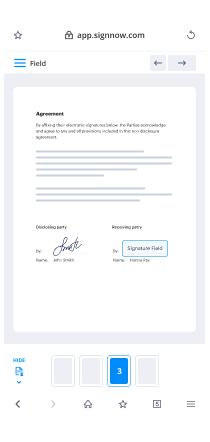
Cómo firmar una plantilla PDF en movimiento sin aplicación
Para muchos productos, realizar acuerdos en movimiento significa instalar una aplicación en tu teléfono. Nos complace decir que en airSlate SignNow hemos hecho que firmar en movimiento sea más rápido y fácil eliminando la necesidad de una aplicación móvil. Para firmar electrónicamente, abre tu navegador (cualquier navegador móvil) y accede directamente a airSlate SignNow y todas sus potentes herramientas de firma electrónica. Edita documentos, firma del bloque de firma y más. No se requiere instalación ni software adicional. Cierra tu acuerdo desde cualquier lugar.
Consulta nuestras instrucciones paso a paso que te enseñan cómo firmar electrónicamente la propuesta de construcción del bloque de firma.
- Abre tu navegador y ve a signnow.com.
- Inicia sesión o registra una nueva cuenta.
- Sube o abre el documento que deseas editar.
- Agrega campos rellenables para texto, firma y fecha.
- Dibuja, escribe o sube tu firma.
- Haz clic en Guardar y cerrar.
- Haz clic en Invitar a firmar e ingresa el correo electrónico del destinatario si necesitas que otros firmen el PDF.
Trabajar en móvil no es diferente a hacerlo en un escritorio: crea una plantilla reutilizable, firma del bloque de firma y gestiona el flujo como lo harías normalmente. En unos pocos clics, obtén un contrato ejecutable que puedes descargar a tu dispositivo y enviar a otros. Sin embargo, si deseas una aplicación, descarga la aplicación de airSlate SignNow. Es segura, rápida y tiene un diseño excelente. Prueba flujos de firma electrónica sin interrupciones desde la oficina, en un taxi o en un avión.
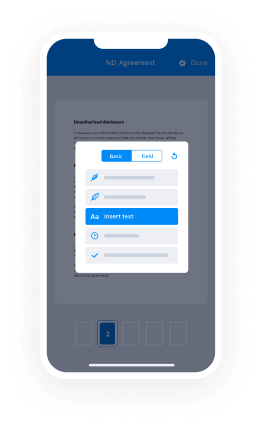
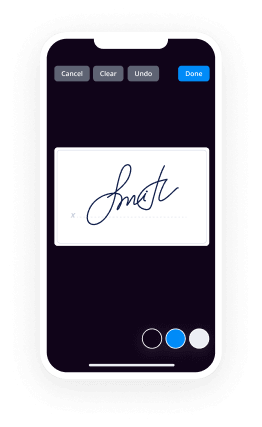
Cómo firmar un PDF usando un iPad
iOS es un sistema operativo muy popular equipado con herramientas nativas. Permite firmar y editar PDFs usando Preview sin software adicional. Sin embargo, por muy buena que sea la solución de Apple, no ofrece automatización. Mejora las capacidades de tu iPhone aprovechando la aplicación de airSlate SignNow. Usa tu iPhone o iPad para firma del bloque de firma y más. Introduce automatización de firma electrónica en tu flujo móvil.
Firmar en un iPhone nunca ha sido tan fácil:
- Busca la aplicación de airSlate SignNow en la App Store e instálala.
- Crea una cuenta nueva o inicia sesión con tu Facebook o Google.
- Haz clic en Más y sube el archivo PDF que deseas firmar.
- Toca en el documento donde deseas insertar tu firma.
- Explora otras funciones: agrega campos rellenables o firma del bloque de firma.
- Usa el botón Guardar para aplicar los cambios.
- Comparte tus documentos por correo electrónico o mediante un enlace de firma.
Haz PDFs profesionales directamente desde tu aplicación de airSlate SignNow. Aprovecha al máximo tu tiempo y trabaja desde cualquier lugar; en casa, en la oficina, en un autobús o avión, e incluso en la playa. Gestiona todo el flujo de documentos fácilmente: crea plantillas reutilizables, firma del bloque de firma y trabaja en documentos con socios comerciales. Transforma tu dispositivo en una potente herramienta empresarial para ejecutar acuerdos.
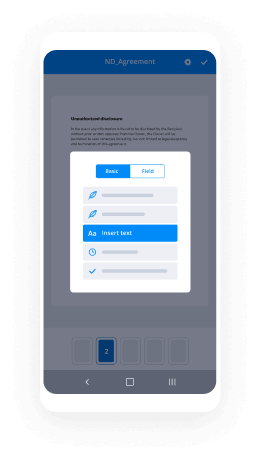
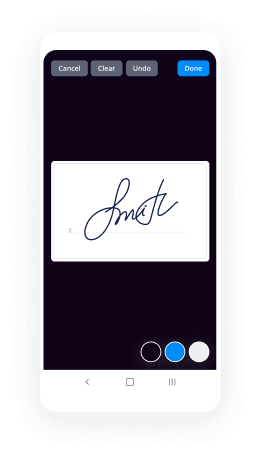
Cómo firmar electrónicamente un archivo PDF usando Android
Para los usuarios de Android que gestionan documentos desde su teléfono, deben instalar software adicional. La Play Market es amplia y está llena de opciones, por lo que encontrar una buena aplicación no es difícil si tienes tiempo para explorar cientos de apps. Para ahorrar tiempo y evitar frustraciones, sugerimos airSlate SignNow para Android. Almacena y edita documentos, crea roles de firma e incluso firma del bloque de firma.
Los 9 pasos sencillos para optimizar tu flujo móvil:
- Abre la aplicación.
- Inicia sesión con tus cuentas de Facebook o Google o regístrate si aún no has autorizado.
- Haz clic en + para agregar un nuevo documento usando tu cámara, almacenamiento interno o en la nube.
- Toca en cualquier parte de tu PDF e inserta tu firma electrónica.
- Haz clic en OK para confirmar y firmar.
- Prueba más funciones de edición; agrega imágenes, firma del bloque de firma, crea una plantilla reutilizable, etc.
- Haz clic en Guardar para aplicar los cambios una vez termines.
- Descarga el PDF o compártelo por correo electrónico.
- Utiliza la función Invitar a firmar si deseas establecer y enviar un orden de firma a los destinatarios.
Convierte lo mundano y rutinario en algo fácil y fluido con la aplicación de airSlate SignNow para Android. Firma y envía documentos para firma desde cualquier lugar donde estés conectado a internet. Crea PDFs profesionales y firma del bloque de firma con solo unos clics. Crea un flujo de firma electrónica impecable usando solo tu teléfono móvil y mejora tu productividad total.
¡Obtenga firmas legalmente vinculantes ahora!
Preguntas frecuentes
-
¿Cómo se llena una propuesta de contratista?
Clip sugerido ¿Cómo escribir una propuesta de pintura? - YouTubeInicio de clip sugerido ¿Cómo escribir una propuesta de pintura? - YouTube -
¿Una propuesta firmada es lo mismo que un contrato?
Una propuesta se convierte en un contrato legalmente vinculante si has instruido a tu cliente a cumplir con los términos de la propuesta, firmarla, fecharla y enviarte fondos. En otras palabras, puedes combinar la propuesta con un contrato para ahorrar tiempo. -
¿Cómo se escribe una propuesta gubernamental?
Trabaja hacia atrás. Comienza con el fin en mente. ... Crea un esquema basado en una lista de verificación de cumplimiento. ... Recopila los datos correctos. ... Desarrolla una estrategia de diferenciación. ... Comienza a escribir. -
¿Cuál es la diferencia entre un contrato y una propuesta?
Un contrato debe contener cuatro elementos para ser legalmente exigible: una oferta, consideración, aceptación de la oferta y acuerdo mutuo por las partes involucradas. Una propuesta simplemente es una oferta diseñada por una parte y ofrecida a otra para proporcionar una solución o servicio, o para hacer una venta. -
¿Qué es un ejemplo de propuesta?
Los ejemplos de propuestas son proposiciones escritas dirigidas a clientes o por cualquier departamento a sus altos ejecutivos. Contienen ideas que serían beneficiosas para una organización. Hay muchos tipos de propuestas, como una propuesta de presupuesto y una propuesta de evento. Las propuestas buscan ser aprobadas por las personas involucradas. -
¿Qué es una propuesta en términos legales?
PROPUESTA. Una oferta para consideración o aceptación. Es una regla general que una propuesta ofrecida a otra para aceptación puede ser retirada en cualquier momento antes de que sea aceptada, siempre que se notifique la retirada a la parte a la que se hizo. ... PROPUESTA - Una oferta para hacer algo. -
¿Qué es una propuesta de construcción?
Una propuesta para construir una fábrica se usa cuando se te considera junto con otros contratistas potenciales. Cuando escribas tu propuesta, planifica y prepara cuidadosamente un esquema. Aborda cada término y requisito en la RFP al redactar el esquema. -
¿Cómo presentas un contrato?
Ponlo por escrito. ... Mantenlo simple. ... Trata con la persona adecuada. ... Identifica correctamente a cada parte. ... Especifica todos los detalles. ... Especifica las obligaciones de pago. ... Acordar las circunstancias que terminan el contrato. ... Acordar una forma de resolver disputas. -
¿Qué es una propuesta de construcción?
La propuesta de construcción es una oferta escrita de un licitador al propietario, preferiblemente en un formulario de propuesta prescrito, para realizar el trabajo y proporcionar toda la mano de obra, materiales, equipos y/o servicios por los precios y términos cotizados por el licitador. -
¿Una propuesta firmada se considera un contrato?
Una propuesta se convierte en un contrato legalmente vinculante si has instruido a tu cliente a cumplir con los términos de la propuesta, firmarla, fecharla y enviarte fondos. En otras palabras, puedes combinar la propuesta con un contrato para ahorrar tiempo. -
¿Qué significa LS en una línea de firma?
Las letras "L.S." aparecen al final de una línea de firma. Esta es una abreviatura de la frase latina logus sigilli que significa "lugar del sello". No significa que el notario deba colocar su sello en esa ubicación. -
¿Cuánto tiempo tengo para cancelar un contrato?
Regla de los tres días En algunos casos, puedes cancelar un contrato dentro de los tres días posteriores a su firma. Las leyes estatales cubren qué tipos de contratos pueden cancelarse en un período de tres días. Por lo general, puedes cancelar un contrato de venta si el vendedor te solicitó en tu domicilio o si tuviste que pagar para asistir a un seminario de ventas. -
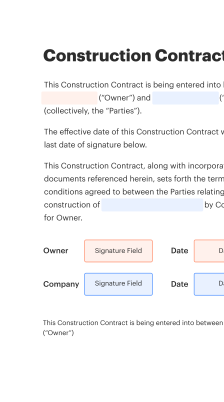
¿Cómo se hace un bloque de firma?
Coloca el cursor donde deseas crear una línea de firma en tu documento. Ve a la pestaña Insertar. Selecciona Línea de firma en el grupo Texto y selecciona Línea de firma de Microsoft Office. En el cuadro de diálogo, escribe la información relevante, incluido el nombre completo del firmante, título, dirección de correo electrónico e instrucciones.


