Política De Privacidad De Firma Fácil De Usar
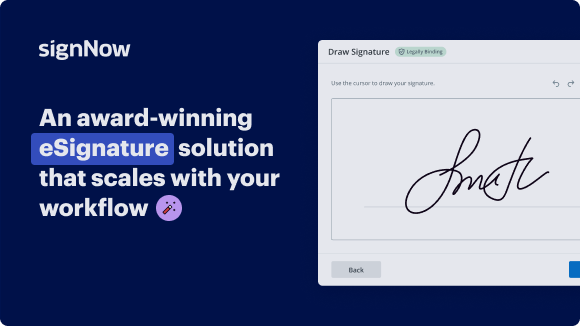
Solución de firma electrónica galardonada





Mejora tu flujo de trabajo de documentos con airSlate SignNow
Flujos de firma electrónica ágiles
Visibilidad rápida en el estado del documento
Configuración de integración fácil y rápida
Política de privacidad de firma en cualquier dispositivo
Registro de auditoría avanzado
Normas de seguridad estrictas
Vea las firmas electrónicas de airSlate SignNow en acción


Soluciones de airSlate SignNow para una mayor eficiencia
Las reseñas de nuestros usuarios hablan por sí mismas











Por qué elegir airSlate SignNow
-
Prueba gratuita de 7 días. Elige el plan que necesitas y pruébalo sin riesgos.
-
Precios honestos para planes completos. airSlate SignNow ofrece planes de suscripción sin cargos adicionales ni tarifas ocultas al renovar.
-
Seguridad de nivel empresarial. airSlate SignNow te ayuda a cumplir con los estándares de seguridad globales.
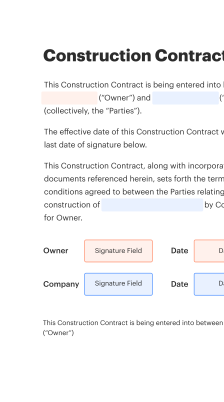
Tu guía paso a paso — signature privacy policy
Usar la firma electrónica de airSlate SignNow puede acelerar los flujos de trabajo de firma y firmar en línea en tiempo real, brindando una mejor experiencia a clientes y empleados. Usa la política de privacidad de firma en unos pocos pasos sencillos. ¡Nuestras aplicaciones móviles hacen posible trabajar en movimiento, incluso sin conexión! Firma electrónicamente desde cualquier lugar del mundo y realiza transacciones en poco tiempo.
Sigue la guía paso a paso para usar la política de privacidad de firma:
- Inicia sesión en tu perfil de airSlate SignNow.
- Ubica tu documento en tus carpetas o sube uno nuevo.
- Abre el documento y realiza ediciones usando el menú Herramientas.
- Arrastra y suelta campos rellenables, añade texto y firma.
- Lista múltiples firmantes vía correos electrónicos y establece el orden de firma.
- Especifica qué destinatarios pueden recibir un documento firmado.
- Usa Opciones avanzadas para restringir el acceso a la plantilla, añadir una fecha de expiración.
- Presiona Guardar y Cerrar cuando termines.
Además, hay funciones más avanzadas disponibles para la política de privacidad de firma. Lista usuarios en tu entorno de trabajo compartido, navega por equipos y rastrea la colaboración. Millones de usuarios en EE. UU. y Europa concuerdan en que un sistema que une a las personas en un entorno unificado, es lo que las empresas necesitan para mantener los flujos de trabajo funcionando eficientemente. La API REST de airSlate SignNow te permite integrar firmas electrónicas en tu app, sitio web, CRM o nube. Prueba airSlate SignNow y disfruta de flujos de firma electrónica más rápidos, fáciles y efectivos en general!
Cómo funciona
Funciones de airSlate SignNow que los usuarios adoran





Vea resultados excepcionales Política de Privacidad de Firma fácil de usar
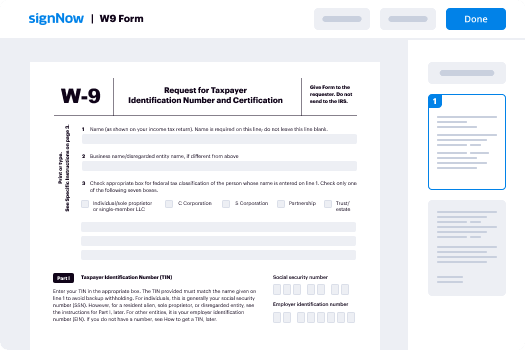
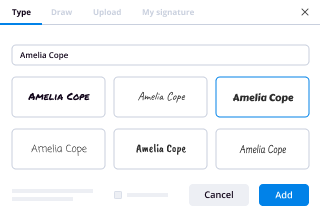
Cómo completar y firmar electrónicamente un documento en línea
Prueba la forma más rápida de política de privacidad de firma. Evita flujos de trabajo en papel y gestiona documentos directamente desde airSlate SignNow. Completa y comparte tus formularios desde la oficina o trabaja sin problemas en movimiento. ¡No se requiere instalación ni software adicional! Todas las funciones están disponibles en línea, solo visita signnow.com y crea tu flujo de firma electrónica.
Guía rápida para firmar electrónicamente en minutos
- Crea una cuenta en airSlate SignNow (si aún no te has registrado) o inicia sesión usando Google o Facebook.
- Haz clic en Subir y selecciona uno de tus documentos.
- Usa la herramienta Mi Firma para crear tu firma única.
- Convierte el documento en un PDF dinámico con campos rellenables.
- Llena tu nuevo formulario y haz clic en Hecho.
Una vez terminado, envía una invitación para firmar a múltiples destinatarios. Obtén un contrato ejecutable en minutos usando cualquier dispositivo. Explora más funciones para crear PDFs profesionales; añade campos rellenables, firma electrónica y colabora en equipos. La solución de firma electrónica ofrece un flujo de trabajo seguro y funciona según la certificación SOC 2 Tipo II. Asegúrate de que toda tu información esté protegida y que nadie pueda modificarla.
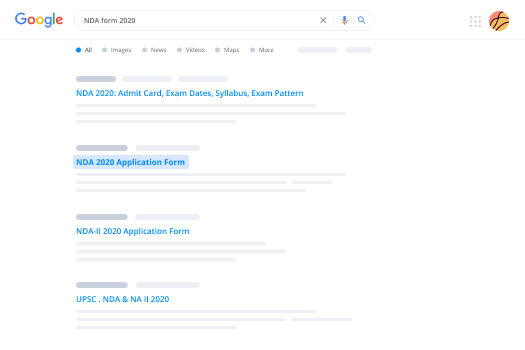
Cómo firmar electrónicamente un PDF en Google Chrome
¿Buscas una solución para firmar electrónicamente política de privacidad de firma directamente desde Chrome? La extensión de airSlate SignNow para Google Chrome está aquí para ayudarte. Encuentra un documento y desde tu navegador ágilmente ábrelo en el editor. Añade campos rellenables para texto y firma. Firma el PDF y compártelo de forma segura según GDPR, certificación SOC 2 Tipo II y más.
Usando esta breve guía paso a paso, expande tu flujo de firma electrónica en Google y firma de política de privacidad:
- Visita la tienda web de Chrome y busca la extensión de airSlate SignNow.
- Haz clic en Agregar a Chrome.
- Inicia sesión en tu cuenta o regístrate una nueva.
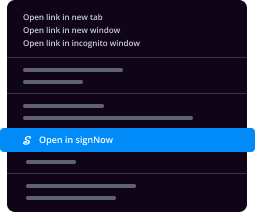
- Sube un documento y haz clic en Abrir en airSlate SignNow.
- Modifica el documento.
- Firma el PDF usando la herramienta Mi Firma.
- Haz clic en Hecho para guardar tus ediciones.
- Invita a otros participantes a firmar haciendo clic en Invitar a Firmar y seleccionando sus correos/nombres.
Crea una firma integrada en tu flujo de trabajo para firma de política de privacidad de firma y obtén PDFs firmados en minutos. Di adiós a las pilas de papeles en tu oficina y comienza a ahorrar dinero y tiempo para actividades más importantes. Elegir la extensión de Google de airSlate SignNow es una opción muy conveniente con muchas ventajas diferentes.
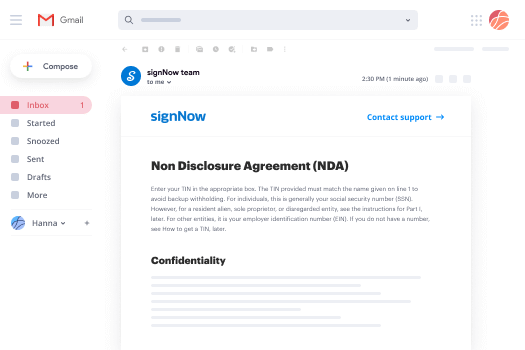
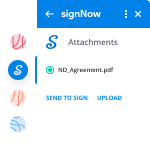

Cómo firmar un adjunto en Gmail
Si eres como la mayoría, estás acostumbrado a descargar los archivos adjuntos que recibes, imprimirlos y luego firmarlos, ¿verdad? Bueno, tenemos buenas noticias para ti. Firmar documentos en tu bandeja de entrada ahora es mucho más fácil. El complemento de airSlate SignNow para Gmail te permite firmar política de privacidad de firma sin salir de tu buzón. Haz todo lo que necesitas; añade campos rellenables y envía solicitudes de firma en clics.
Cómo firmar política de privacidad de firma en Gmail:
- Busca airSlate SignNow para Gmail en el Mercado de G Suite y haz clic en Instalar.
- Inicia sesión en tu cuenta de airSlate SignNow o crea una nueva.
- Abre tu correo con el PDF que necesitas firmar.
- Haz clic en Subir para guardar el documento en tu cuenta de airSlate SignNow.
- Haz clic en Abrir documento para abrir el editor.
- Firma el PDF usando Mi Firma.
- Envía una solicitud de firma a los otros participantes con el botón Enviar para Firmar.
- Ingresa su correo y presiona OK.
Como resultado, los otros participantes recibirán notificaciones indicándoles que deben firmar el documento. No necesitas descargar el archivo PDF una y otra vez, solo firma de firma de política en clics. Este complemento es adecuado para quienes prefieren trabajar en cosas más valiosas en lugar de perder tiempo en casi nada. Mejora tu rutina diaria con la aplicación de firma electrónica galardonada.
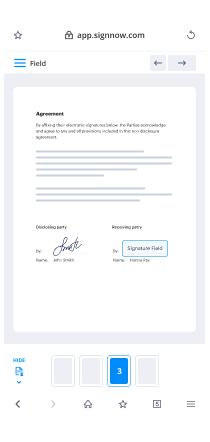
Cómo firmar una plantilla PDF en movimiento sin aplicación
Para muchos productos, realizar transacciones en movimiento significa instalar una aplicación en tu teléfono. Nos complace decir que en airSlate SignNow hemos hecho que firmar en movimiento sea más rápido y fácil eliminando la necesidad de una aplicación móvil. Para firmar electrónicamente, abre tu navegador (cualquier navegador móvil) y accede directamente a airSlate SignNow y todas sus potentes herramientas de firma electrónica. Edita documentos, firma política de privacidad de firma y más. No se requiere instalación ni software adicional. Cierra tu transacción desde cualquier lugar.
Consulta nuestras instrucciones paso a paso que te enseñan cómo firmar política de privacidad de firma.
- Abre tu navegador y ve a signnow.com.
- Inicia sesión o registra una nueva cuenta.
- Sube o abre el documento que deseas editar.
- Añade campos rellenables para texto, firma y fecha.
- Dibuja, escribe o sube tu firma.
- Haz clic en Guardar y Cerrar.
- Haz clic en Invitar a Firmar e ingresa el correo electrónico del destinatario si deseas que otros firmen el PDF.
Trabajar en móvil no es diferente a en un escritorio: crea una plantilla reutilizable, firma política de privacidad de firma y gestiona el flujo como normalmente lo harías. En unos clics, obtén un contrato ejecutable que puedes descargar a tu dispositivo y enviar a otros. Sin embargo, si realmente quieres una aplicación, descarga la aplicación móvil de airSlate SignNow. Es segura, rápida y tiene una interfaz intuitiva. Aprovecha los flujos de firma electrónica sin esfuerzo desde la oficina, en un taxi o en un avión.
Cómo firmar un PDF con un iPad
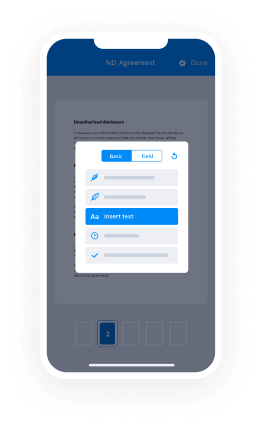
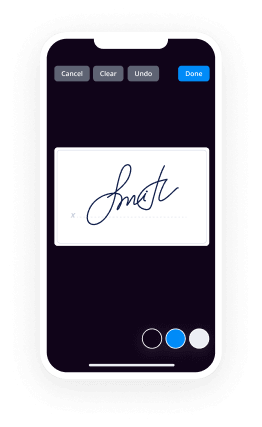
iOS es un sistema operativo muy popular equipado con herramientas nativas. Permite firmar y editar PDFs usando Preview sin software adicional. Sin embargo, por más genial que sea la solución de Apple, no ofrece automatización. Mejora las capacidades de tu iPhone aprovechando la aplicación de airSlate SignNow. Usa tu iPhone o iPad para firma política de privacidad de firma y más. Introduce automatización de firma electrónica en tu flujo móvil.
Firmar en un iPhone nunca ha sido tan fácil:
- Busca la aplicación de airSlate SignNow en la App Store e instálala.
- Crea una cuenta nueva o inicia sesión con Facebook o Google.
- Haz clic en Plus y sube el archivo PDF que deseas firmar.
- Toca en el documento donde quieres insertar tu firma.
- Explora otras funciones: añade campos rellenables o firma política de privacidad de firma.
- Usa el botón Guardar para aplicar los cambios.
- Comparte tus documentos vía email o enlace de firma.
Haz PDFs profesionales directamente desde tu app de airSlate SignNow. Aprovecha al máximo tu tiempo y trabaja desde cualquier lugar; en casa, en la oficina, en un autobús o avión, e incluso en la playa. Gestiona un flujo completo de documentos sin problemas: genera plantillas reutilizables, firma política de privacidad de firma y trabaja en documentos con socios. Convierte tu dispositivo en una potente herramienta de negocios para realizar transacciones.
Cómo firmar electrónicamente un archivo PDF usando Android
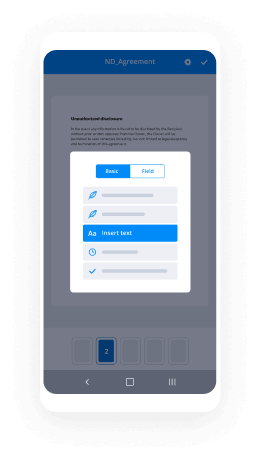
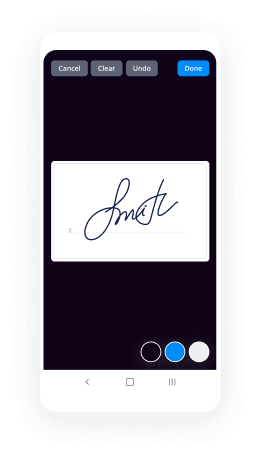
Para los usuarios de Android, gestionar documentos desde su teléfono requiere instalar software adicional. La tienda Play está llena de opciones, por lo que encontrar una buena aplicación no es difícil si tienes tiempo para explorar entre cientos de apps. Para ahorrar tiempo y evitar frustraciones, sugerimos airSlate SignNow para Android. Guarda y edita documentos, crea roles de firma, e incluso firma política de privacidad de firma.
Los 9 pasos sencillos para optimizar tu flujo móvil:
- Abre la app.
- Inicia sesión usando tus cuentas de Facebook o Google o regístrate si aún no has autorizado.
- Haz clic en + para añadir un nuevo documento usando tu cámara, almacenamiento interno o en la nube.
- Toca en cualquier parte de tu PDF e inserta tu firma electrónica.
- Haz clic en OK para confirmar y firmar.
- Prueba más funciones de edición; añade imágenes, firma política de privacidad de firma, crea una plantilla reutilizable, etc.
- Haz clic en Guardar para aplicar los cambios una vez termines.
- Descarga el PDF o compártelo vía email.
- Usa la función Invitar a firmar si quieres establecer y enviar un orden de firma a los destinatarios.
Convierte lo mundano y rutinario en algo fácil y fluido con la app de airSlate SignNow para Android. Firma y envía documentos para firma desde cualquier lugar donde estés conectado a internet. Crea PDFs profesionales y firma política de privacidad de firma con unos pocos clics. Diseña un proceso de firma electrónica perfecto usando solo tu smartphone y mejora tu productividad total.


