airSlate SignNow CRM vs. Salesforce Para Comercio Minorista: Explore La Diferencia Y Elija La Solución Adecuada
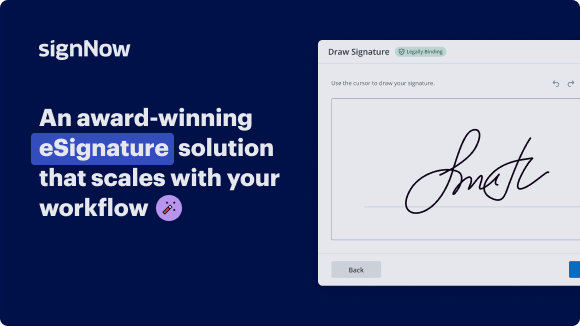
Solución de firma electrónica galardonada




Impulsa tu negocio con la solución de firma electrónica de airSlate SignNow
Agrega tu firma legalmente vinculante
Integra mediante API
Envía documentos condicionales
Comparte documentos mediante un enlace de invitación
Ahorra tiempo con plantillas reutilizables
Mejora la colaboración en equipo
Vea las firmas electrónicas de airSlate SignNow en acción


Soluciones de airSlate SignNow para una mayor eficiencia
Las reseñas de nuestros usuarios hablan por sí mismas











Por qué elegir airSlate SignNow
-
Prueba gratuita de 7 días. Elige el plan que necesitas y pruébalo sin riesgos.
-
Precios honestos para planes completos. airSlate SignNow ofrece planes de suscripción sin cargos adicionales ni tarifas ocultas al renovar.
-
Seguridad de nivel empresarial. airSlate SignNow te ayuda a cumplir con los estándares de seguridad globales.

Cómo elegir entre airSlate SignNow para comercio minorista y Salesforce para comercio minorista y lograr los flujos de trabajo de aprobación de documentos más efectivos
Las tecnologías modernas determinan nuevas condiciones y formas de hacer negocios. ¿Piensa en firmas electrónicas? ¿No son imposibles de hacer sin ellas? Elegir la solución de software más adecuada con funciones potentes y términos rentables es fundamental para cada empresa. Compare airSlate SignNow para comercio minorista y Salesforce para comercio minorista para decidir la mejor herramienta para flujos de trabajo eficientes de gestión de documentos.
Siga la guía a continuación para comparar airSlate SignNow para comercio minorista y Salesforce para comercio minorista:
- Inicie sesión o regístrese para su prueba gratuita de 7 días para descubrir todas las capacidades avanzadas de la plataforma.
- Administre su perfil en el menú Mi cuenta y configure notificaciones y firmas predeterminadas.
- Vaya a Contactos y agregue correos electrónicos, nombres y detalles de la empresa de quienes con quienes trabaja.
- Haga clic en Subir o Crear y seleccione un documento desde su dispositivo y nube, o colección de plantillas en línea.
- Crear un formulario rellenable con áreas obligatorias, opcionales o condicionales asignadas a cada parte.
- Arrastre y suelte Campo de firma para todos los involucrados y firme el documento usted mismo si es necesario.
- Envíe invitaciones de firma personalizadas a los contactos seleccionados desde su base de datos.
- Obtenga su documentación firmada electrónicamente en minutos y organícela en carpetas específicas.
Nuestra plataforma también le permite crear Equipos y colaborar en diversos flujos de trabajo, hacer plantillas reutilizables e incluso solicitar la notarización de documentos desde su cuenta. Eche un vistazo a estas y otras capacidades del software, considere los planes de precios y tome su decisión más acertada entre airSlate SignNow para comercio minorista y Salesforce para comercio minorista para optimizar la eficiencia de su flujo de trabajo!
Cómo funciona
Funciones de airSlate SignNow que los usuarios adoran





¡Obtenga firmas legalmente vinculantes ahora!
Preguntas frecuentes
-
¿Cuáles son las principales diferencias entre SignNow CRM y Salesforce para comercio minorista?
Las principales diferencias entre SignNow CRM y Salesforce para comercio minorista incluyen sus estructuras de precios, interfaces de usuario y funciones específicas adaptadas para el comercio minorista. SignNow ofrece una solución más rentable, especialmente para pequeñas y medianas empresas, mientras que Salesforce proporciona un conjunto más amplio de funciones avanzadas adecuadas para empresas más grandes. La elección entre ellos depende en gran medida del tamaño y las necesidades específicas de su empresa. -
¿Cómo mejora SignNow CRM la gestión de documentos para negocios minoristas?
SignNow CRM mejora la gestión de documentos para negocios minoristas al proporcionar una plataforma intuitiva para enviar, firmar y gestionar contratos sin problemas. Con funciones como plantillas y seguimiento avanzado, los usuarios pueden crear y gestionar documentos fácilmente, mejorando la eficiencia. Esto es particularmente beneficioso para el comercio minorista, donde el procesamiento oportuno de documentos puede conducir a mejores resultados comerciales. -
¿Cuáles son las opciones de precios para SignNow CRM en comparación con Salesforce para comercio minorista?
SignNow CRM ofrece planes de precios competitivos que generalmente son más asequibles que Salesforce para comercio minorista. Con modelos de suscripción flexibles, las empresas pueden elegir un plan que se ajuste a su presupuesto y necesidades operativas. En contraste, los precios de Salesforce pueden aumentar con funciones adicionales, haciendo que SignNow sea una opción más atractiva para minoristas conscientes de los costos. -
¿Puede SignNow CRM integrarse eficazmente con otros sistemas minoristas?
Sí, SignNow CRM ofrece integraciones con varios sistemas minoristas, mejorando su usabilidad en el sector minorista. La integración de SignNow con herramientas existentes como gestión de inventario o sistemas de punto de venta simplifica los flujos de trabajo y aumenta la precisión de los datos. Esta capacidad hace que SignNow sea un fuerte competidor al considerar opciones como Salesforce para comercio minorista. -
¿Qué funciones específicas ofrece SignNow CRM que benefician a los negocios minoristas?
SignNow CRM proporciona funciones como firmas electrónicas, plantillas personalizables y seguimiento de documentos en tiempo real, todas ellas beneficiosas para los negocios minoristas. Con estas herramientas, los minoristas pueden agilizar sus procesos de ventas, gestionar contratos de manera eficiente y reducir los tiempos de respuesta. Esto posiciona a SignNow bien frente a Salesforce para comercio minorista, especialmente para empresas que buscan simplicidad y eficacia. -
¿Cómo comparan el soporte al cliente y los recursos entre SignNow CRM y Salesforce para comercio minorista?
El soporte al cliente de SignNow CRM tiene una alta calificación, ofreciendo una variedad de recursos que incluyen tutoriales y soporte por chat en vivo, que pueden ser más accesibles en comparación con la estructura de soporte de Salesforce. Las empresas minoristas a menudo encuentran esto beneficioso, ya que la asistencia rápida puede impactar directamente en los tiempos de procesamiento de documentos. Por lo tanto, al considerar el soporte al cliente, SignNow se presenta favorable en la comparación de SignNow CRM vs. Salesforce para comercio minorista. -
¿Cuáles son las ventajas de usar SignNow CRM sobre Salesforce para comercio minorista?
Las ventajas de usar SignNow CRM sobre Salesforce para comercio minorista incluyen su rentabilidad, facilidad de uso y configuración rápida. Los minoristas que buscan una solución sencilla para gestionar sus documentos encontrarán que SignNow se ajusta bien a sus necesidades sin la complejidad y los altos costos asociados con Salesforce. Esta simplicidad permite a los minoristas centrarse en las operaciones comerciales principales en lugar de gestionar software sofisticado.
Lo que dicen los usuarios activos — signNow crm vs salesforce for retail trade


Obtén más para signNow crm vs salesforce for retail trade
- RFP para Compra de Software para Operaciones
- RFP para Compra de Software para Planificación
- RFP para Compra de Software para Compras
- Solicitud de Propuesta para Compra de Software para Aseguramiento de la Calidad
- RFP para Compra de Software para Ingeniería
- RFP para Compra de Software para Exportación
- RFP para Compra de Software para Envíos
- RFP para Compra de Software para Relaciones Públicas