Plantilla De Factura Para Empresas De Salud
Solución de firma electrónica galardonada




Impulsa tu negocio con la solución de firma electrónica de airSlate SignNow
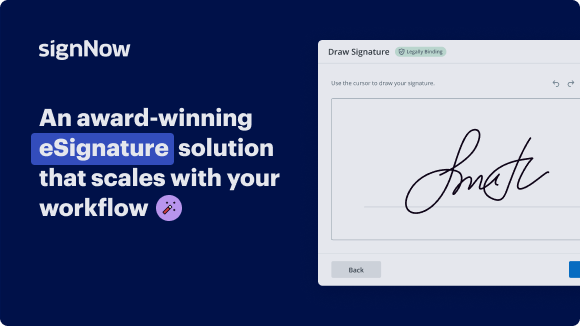
Agrega tu firma legalmente vinculante
Integra mediante API
Envía documentos condicionales
Comparte documentos mediante un enlace de invitación
Ahorra tiempo con plantillas reutilizables
Mejora la colaboración en equipo
Vea las firmas electrónicas de airSlate SignNow en acción


Soluciones de airSlate SignNow para una mayor eficiencia
Las reseñas de nuestros usuarios hablan por sí mismas











Por qué elegir airSlate SignNow
-
Prueba gratuita de 7 días. Elige el plan que necesitas y pruébalo sin riesgos.
-
Precios honestos para planes completos. airSlate SignNow ofrece planes de suscripción sin cargos adicionales ni tarifas ocultas al renovar.
-
Seguridad de nivel empresarial. airSlate SignNow te ayuda a cumplir con los estándares de seguridad globales.

Creando un ejemplo de factura simple para servicios financieros
Generar facturas para tus servicios financieros puede ser fácil con herramientas digitales. Esta guía te acompañará en los pasos para utilizar airSlate SignNow, una plataforma donde la firma y gestión de documentos se vuelven sencillas. Los beneficios de airSlate SignNow incluyen su interfaz fácil de usar, funciones económicas y soporte constante, lo que la convierte en una excelente opción para negocios de todos los tamaños.
Pasos para crear un ejemplo de factura simple para servicios financieros
- Abre tu navegador web y navega al sitio web de airSlate SignNow.
- Crea una cuenta nueva con una prueba gratuita o inicia sesión en tu cuenta existente.
- Selecciona y carga el documento que deseas firmar o enviar para firmas.
- Si planeas usar este documento nuevamente, guárdalo como una plantilla reutilizable.
- Accede al documento cargado y modifícalo según sea necesario: añade campos para rellenar o ingresa la información necesaria.
- Procede a firmar el documento e incluye campos de firma para los destinatarios previstos.
- Haz clic en 'Continuar' para configurar y enviar la invitación de firma electrónica.
En conclusión, airSlate SignNow simplifica el proceso de firma electrónica, ofreciendo una solución robusta que brinda un valor excelente. Con su transparencia en precios y soporte al cliente de primera, puedes gestionar eficientemente tus necesidades de firma de documentos.
¡Comienza tu prueba gratuita hoy y experimenta la facilidad de gestionar tu facturación y firma de documentos!
Cómo funciona
Funciones de airSlate SignNow que los usuarios adoran





¡Obtenga firmas legalmente vinculantes ahora!
Preguntas frecuentes
-
¿Qué es un ejemplo de factura simple para servicios financieros?
Un ejemplo de factura simple para servicios financieros es una plantilla básica que describe los servicios prestados, los términos de pago y las fechas de vencimiento en un formato claro. Incluye detalles esenciales como la información de contacto del proveedor de servicios, número de factura y lista detallada de cargos. Usar una plantilla así puede agilizar los procesos de facturación para los proveedores de servicios financieros. -
¿Cómo puede airSlate SignNow ayudar con la creación de facturas simples para servicios financieros?
airSlate SignNow ofrece plantillas personalizables, incluyendo un ejemplo de factura simple para servicios financieros, que permite a los usuarios generar facturas rápidamente adaptadas a las necesidades de su negocio. La interfaz fácil de usar de la plataforma asegura que incluso quienes tienen habilidades técnicas mínimas puedan crear facturas con aspecto profesional sin esfuerzo. Además, los usuarios pueden guardar y reutilizar plantillas para futuras facturas. -
¿Existen costos asociados con el uso de airSlate SignNow para facturas?
Sí, airSlate SignNow ofrece una variedad de planes de precios para adaptarse a diferentes necesidades comerciales, incluyendo opciones para enviar ejemplos de facturas simples para servicios financieros. Estos planes están diseñados para ser rentables, asegurando que solo pagues por las funciones que utilizas. Los usuarios pueden elegir entre suscripciones mensuales o anuales para ahorrar más. -
¿Qué funciones ofrece airSlate SignNow para la facturación?
airSlate SignNow incluye varias funciones que mejoran el proceso de facturación, como la funcionalidad de firma electrónica, seguimiento de documentos y integración con software de contabilidad. Para quienes buscan un ejemplo de factura simple para servicios financieros, la plataforma proporciona plantillas personalizables y la capacidad de automatizar recordatorios de pago. Estas herramientas ayudan a mejorar la eficiencia y a agilizar el flujo de efectivo de las empresas. -
¿Puedo integrar airSlate SignNow con otras herramientas financieras?
Sí, airSlate SignNow puede integrarse fácilmente con herramientas y aplicaciones financieras populares, permitiendo una experiencia de facturación sin problemas. Los usuarios pueden conectar su software de contabilidad favorito para recuperar automáticamente la información del cliente y utilizar un ejemplo de factura simple para servicios financieros. Esta integración ayuda a mantener la precisión y a ahorrar tiempo en los informes financieros. -
¿Cuáles son los beneficios de usar airSlate SignNow para la facturación?
Usar airSlate SignNow para la facturación ofrece numerosos beneficios, como reducir el papeleo, acelerar los tiempos de pago y mejorar la profesionalidad de tus documentos. Un ejemplo de factura simple para servicios financieros puede convertirse en facturas personalizadas que reflejen tu marca. Además, la facilidad de firma electrónica garantiza una aprobación rápida por parte del cliente y menos retrasos en los pagos. -
¿Es seguro airSlate SignNow para manejar facturas?
¡Por supuesto! airSlate SignNow emplea medidas de seguridad de primera para proteger la información sensible al manejar facturas. Con funciones como cifrado y autenticación multifactor, puedes confiar en que tu ejemplo de factura simple para servicios financieros, así como los datos de tu negocio, están protegidos contra accesos no autorizados.
Lo que dicen los usuarios activos — simple invoice example for financial services


Obtén más para simple invoice example for financial services
- Car Repair Invoice Template for Export
- Plantilla de factura de reparación de autos para Envío
- Plantilla de Libro de Recibos para Exportación
- Plantilla de factura para reparación de autos para Producción
- Plantilla de factura de reparación de autos para Supervisión
- Plantilla de factura de reparación de autos para Calidad del producto
- Plantilla de factura de reparación de autos para inventario
- Plantilla de factura de reparación de autos para Seguridad