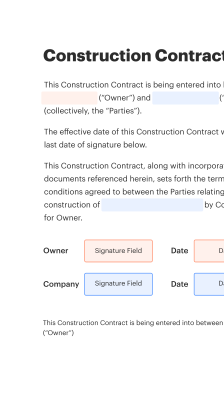
What is the esignature generator
An esignature generator is a digital tool that allows users to create, manage, and apply electronic signatures to documents. This technology simplifies the signing process, enabling individuals and businesses to complete agreements without the need for physical paperwork. By leveraging an esignature generator, users can ensure that their signatures are legally binding, secure, and compliant with relevant regulations. This tool is particularly useful for those who frequently engage in remote transactions or need to streamline their document workflows.
How to use the esignature generator
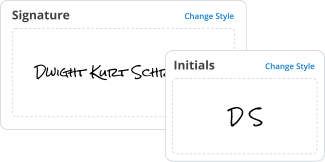
Using an esignature generator is straightforward. First, users need to upload the document they wish to sign. This can typically be done by dragging and dropping the file into the designated area or selecting it from a device. Once the document is uploaded, users can fill out any necessary fields, such as names, dates, or other relevant information. After completing these fields, the user can create their signature using the provided tools, which may include drawing, typing, or uploading an image of their signature. Finally, the document can be sent for signature or saved for personal records.
Steps to complete the esignature generator
To effectively complete the esignature generator process, follow these steps:
- Upload your document by selecting it from your device or dragging it into the upload area.
- Fill in any required fields, ensuring that all necessary information is accurate.
- Create your electronic signature using the available options.
- Place your signature in the appropriate location on the document.
- Review the document to confirm that all information is correct and complete.
- Save the document or send it for signature to other parties as needed.
Legal use of the esignature generator
The legal use of an esignature generator is supported by various laws and regulations in the United States, including the Electronic Signatures in Global and National Commerce (ESIGN) Act and the Uniform Electronic Transactions Act (UETA). These laws establish that electronic signatures hold the same legal weight as traditional handwritten signatures, provided that both parties consent to use electronic means for signing. It is essential for users to ensure compliance with these regulations and to maintain records of consent when applicable.
Security & Compliance Guidelines
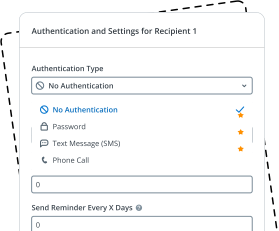
When using an esignature generator, security and compliance are paramount. Users should ensure that the platform employs encryption to protect data during transmission and storage. Additionally, it is important to verify that the service complies with relevant regulations, such as GDPR and HIPAA, depending on the nature of the documents being signed. Implementing multi-factor authentication and maintaining audit trails can further enhance security, ensuring that all signatures are verifiable and that the integrity of the documents is preserved.
Documents You Can Sign
An esignature generator can be used to sign a wide variety of documents, including:
- Contracts and agreements
- Invoices and purchase orders
- Legal documents
- HR forms, such as employment contracts and policy acknowledgments
- Real estate documents
- Tax forms
This flexibility makes electronic signatures a valuable tool for businesses and individuals across various industries.
Sending & Signing Methods (Web / Mobile / App)
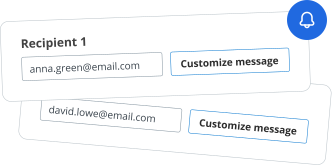
Users can send and sign documents through multiple methods using an esignature generator. The web platform allows for easy access from any browser, making it convenient for users to manage documents from their computers. Mobile applications provide on-the-go access, enabling users to sign documents directly from their smartphones or tablets. Additionally, many platforms offer integration with email services, allowing users to send documents for signature directly from their inbox, streamlining the signing process.