What is the add electronic
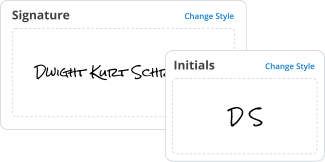
The add electronic refers to the process of incorporating electronic signatures into documents, allowing for a seamless and efficient way to sign and manage agreements digitally. This method replaces traditional paper-based signatures with secure, legally binding eSignatures, making it easier for individuals and businesses to complete transactions without the need for physical paperwork. By utilizing electronic signatures, users can enhance their workflow, reduce turnaround times, and improve overall document management.
How to use the add electronic
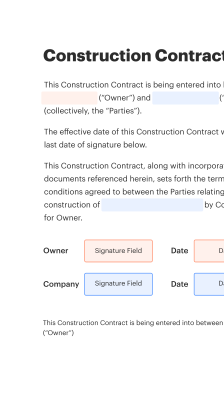
Using the add electronic feature involves a few straightforward steps. First, users can upload their document to the airSlate SignNow platform. Once the document is uploaded, they can easily add electronic signature fields where needed. This allows signers to fill out required information and sign the document electronically. After setting up the document, users can send it for signature via email or share a secure link. Signers will receive a notification and can complete the signing process from any device, ensuring convenience and accessibility.
Steps to complete the add electronic
Completing the add electronic process involves several key steps:
- Upload your document to the airSlate SignNow platform.
- Add electronic signature fields to the areas requiring signatures.
- Customize the signing order if multiple signers are involved.
- Send the document for signature via email or a secure link.
- Monitor the signing status to ensure all parties have completed their signatures.
- Download or store the finalized document securely once all signatures are obtained.
Legal use of the add electronic
The add electronic process is legally recognized in the United States under the Electronic Signatures in Global and National Commerce (ESIGN) Act and the Uniform Electronic Transactions Act (UETA). These laws establish that electronic signatures hold the same legal weight as traditional handwritten signatures, provided certain conditions are met. Users must ensure that the electronic signature process is secure, that signers consent to use electronic signatures, and that the signed documents are stored in a manner that preserves their integrity and authenticity.
Security & Compliance Guidelines
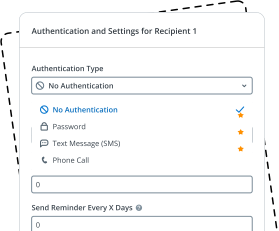
When using the add electronic feature, it is crucial to adhere to security and compliance guidelines to protect sensitive information. Users should ensure that their documents are encrypted during transmission and storage. Additionally, implementing multi-factor authentication for signers can enhance security. Regular audits of the electronic signature process and maintaining compliance with relevant regulations, such as the General Data Protection Regulation (GDPR) for data protection, are essential to mitigate risks associated with electronic document management.
Examples of using the add electronic
The add electronic feature can be applied in various scenarios, including:
- Signing contracts and agreements in real estate transactions.
- Completing and signing HR documents, such as employment contracts and policy acknowledgments.
- Obtaining signatures on legal documents, like wills or powers of attorney.
- Facilitating sales agreements and purchase orders in business transactions.
Sending & Signing Methods (Web / Mobile / App)
Users can send and sign documents using various methods, ensuring flexibility and convenience. Through the web platform, users can upload documents, add electronic signature fields, and send them directly for signing. The mobile app allows users to manage documents on the go, enabling them to send and sign from their smartphones or tablets. Additionally, users can utilize email notifications to alert signers, ensuring they receive timely reminders to complete the signing process.