What is Gmail?
Gmail is a widely-used email service provided by Google that allows users to send, receive, and manage their email communications efficiently. It offers features such as ample storage space, spam filtering, and integration with other Google services. Users can access their Gmail accounts through web browsers, mobile apps, or email clients, making it a versatile tool for personal and professional communication.
How to Use Gmail
To use Gmail effectively, users should first set up a Gmail account by visiting the Gmail website and completing the signup process. Once the account is active, users can log in and navigate the user-friendly interface to send and receive emails. Key features include organizing emails into labels, using the search function to find specific messages, and setting up filters to manage incoming mail. Users can also create email signatures to personalize their communications.
Steps to Complete Gmail Setup
Setting up a Gmail account involves several straightforward steps:
- Visit the Gmail website.
- Click on the “Create account” button.
- Fill in the required information, including your name, desired email address, and password.
- Verify your phone number for security purposes.
- Complete the setup by providing recovery information and agreeing to the terms of service.
Once these steps are completed, users can access their new Gmail account and begin sending and receiving emails.
Legal Use of Gmail
When using Gmail for business or legal communications, it is essential to understand the legal implications of email correspondence. Emails sent through Gmail can be considered legally binding in certain contexts, especially if they contain agreements or contracts. Users should ensure that they comply with relevant regulations, such as the Electronic Signatures in Global and National Commerce (ESIGN) Act, which recognizes electronic signatures as valid in the United States.
Security & Compliance Guidelines
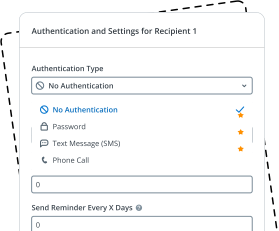
To protect sensitive information, users should follow security best practices when using Gmail. This includes enabling two-factor authentication, regularly updating passwords, and being cautious of phishing attempts. Gmail also provides features such as confidential mode, which allows users to send emails that expire after a certain period and restricts recipients from forwarding, copying, or printing the message. Staying informed about compliance with data protection regulations is crucial for businesses using Gmail.
Sending & Signing Methods
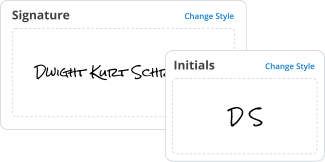
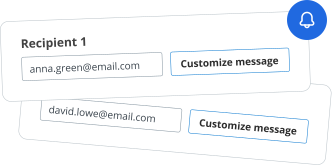
Gmail supports various methods for sending and signing documents electronically. Users can attach files directly to emails or use integrated tools like Google Drive for sharing documents. For signing documents, users can utilize eSignature solutions that integrate with Gmail, allowing them to send documents for signature directly from their inbox. This streamlines the process, making it easy to manage and track document workflows without leaving the Gmail interface.