What is the digital signature software requirements
The digital signature software requirements encompass the essential criteria and features needed to effectively implement and utilize eSignature solutions. These requirements ensure that the software adheres to legal standards and provides a secure, user-friendly experience for signing documents electronically. Key components typically include compliance with the Electronic Signatures in Global and National Commerce (ESIGN) Act and the Uniform Electronic Transactions Act (UETA), which govern the legality of electronic signatures in the United States.
Additionally, the software should support various document formats, offer robust authentication methods, and provide an intuitive interface for users. Security features such as encryption, audit trails, and user permissions are also critical to protect sensitive information and maintain the integrity of signed documents.
How to use the digital signature software requirements
Using digital signature software effectively involves understanding its core functionalities and how they align with your document signing needs. Start by selecting the document you wish to sign or send for signature. Most software, including airSlate SignNow, allows users to upload files in multiple formats, such as PDF, Word, or image files.
Once the document is uploaded, you can fill out any necessary fields, such as names, dates, or additional information. After completing the document, you can request signatures from other parties by entering their email addresses. The software will send an invitation to sign, allowing recipients to eSign the document securely. After all signatures are collected, the completed document can be downloaded or stored securely within the software for future reference.
Steps to complete the digital signature software requirements
Completing the digital signature process involves several straightforward steps to ensure a seamless experience. Begin by logging into your airSlate SignNow account and selecting the option to upload a document. Choose the file you need to sign or send for signature.
Next, utilize the editing tools to add any required information, such as text fields or checkboxes. If you are sending the document for signatures, specify the order in which signers will receive the document. After setting up the document, review it for accuracy and completeness.
Once everything is in order, send the document for signature. The recipients will receive an email notification prompting them to review and sign the document electronically. After all parties have signed, you will receive a notification, and the finalized document will be available for download or storage.
Legal use of the digital signature software requirements
Understanding the legal use of digital signatures is crucial for businesses and individuals. In the United States, digital signatures are legally recognized under the ESIGN Act and UETA, which establish that electronic signatures hold the same legal weight as traditional handwritten signatures. This means that documents signed electronically are enforceable in court, provided they meet specific criteria.
To ensure legal compliance, it is essential to use software that adheres to these regulations, offering features such as secure authentication, audit trails, and tamper-evident seals. Users should also confirm that the signers have consented to use electronic signatures and that the signed documents are stored securely for future reference.
Security & Compliance Guidelines
Security and compliance are paramount when using digital signature software. To protect sensitive information, the software should implement strong encryption protocols both in transit and at rest. This ensures that documents remain confidential and secure from unauthorized access.
Additionally, compliance with industry standards and regulations, such as GDPR for data protection and HIPAA for health information, is essential for businesses operating in regulated sectors. Regular audits and updates to the software can help maintain compliance and address any emerging security threats.
Users should also be educated about best practices for maintaining security, such as using strong passwords, enabling two-factor authentication, and regularly reviewing access permissions for signed documents.
Documents You Can Sign
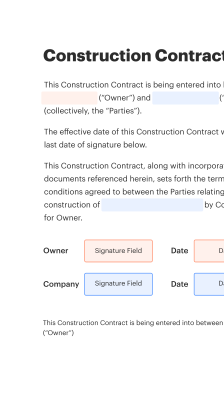
Digital signature software can be used to sign a wide variety of documents, making it a versatile tool for businesses and individuals. Common documents that can be signed electronically include contracts, agreements, consent forms, and invoices. Additionally, HR documents such as employment contracts and policy acknowledgments can be efficiently managed through eSignature solutions.
Users can also sign legal documents, such as power of attorney forms and real estate contracts, provided they comply with state-specific regulations. The ability to sign documents electronically streamlines workflows, reduces paper usage, and enhances the overall efficiency of document management processes.