Establishing secure connection…Loading editor…Preparing document…

Demand Letter

This template is fully customizable. Edit the text, fill out the fields, and send it for signature. Give it a try!
Demand Letter

What a Demand Letter Is and When It’s Used

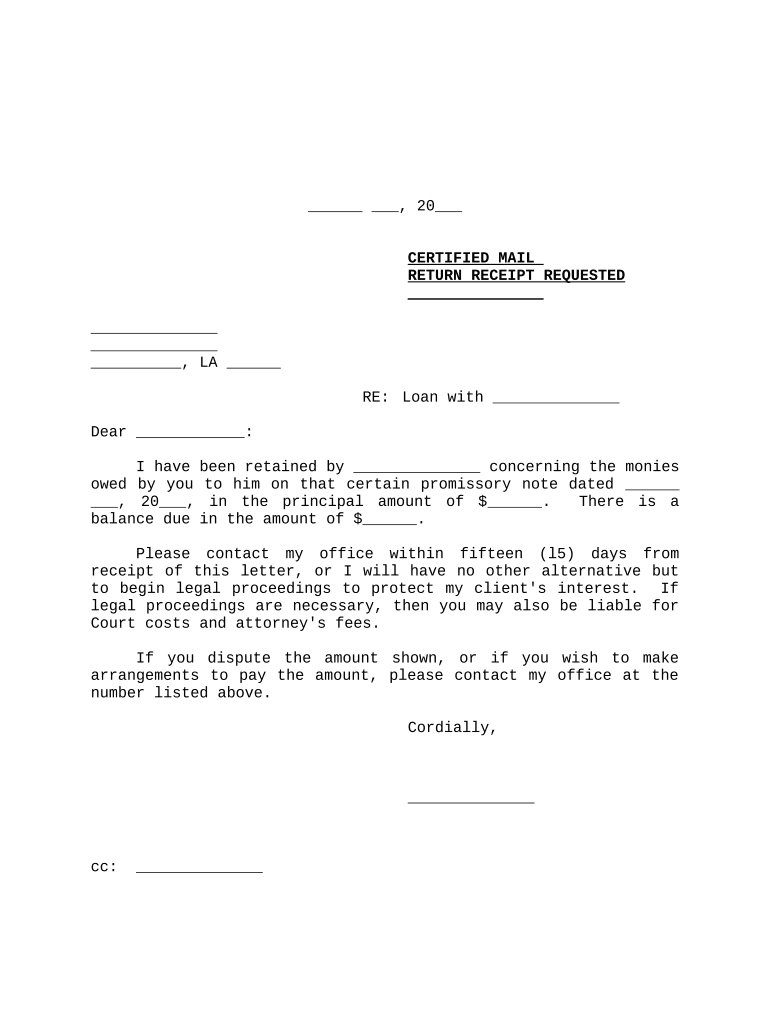
A Demand Letter is a formal written notice delivered to a party to request payment, performance, or some corrective action before pursuing legal remedies. It typically states the factual basis for the claim, the remedy sought, a firm but reasonable deadline, and the potential consequences of noncompliance. Demand Letters are used in contract disputes, unpaid invoices, security deposit returns, pre-collection notices, and as a precursor to litigation or administrative filings. A clear, properly documented Demand Letter can preserve rights, create a record of efforts to resolve the dispute, and support later court filings if needed.

Why a Well‑Prepared Demand Letter Matters

A professionally prepared Demand Letter clarifies the claim, documents attempts to resolve the matter, and often prompts a settlement without court involvement. It signals seriousness, sets a timeline for resolution, and creates a written record useful for courts, mediators, or collection activities.

Why a Well‑Prepared Demand Letter Matters

Typical Parties Who Prepare or Receive Demand Letters

Demand Letters are used by businesses, individuals, and attorneys to request compliance or payment before escalating matters to formal proceedings.

  • Businesses and billing departments that pursue unpaid invoices and contractual nonperformance.
  • Attorneys issuing formal pre-litigation notices on behalf of clients to preserve claims.
  • Consumers and tenants asserting returns of deposits, repairs, or statutory rights before filing a claim.

Use the appropriate tone, include supporting evidence, and document methods of delivery to strengthen enforceability and factual record.

Who Typically Signs a Demand Letter

Creditor

A business owner, accounts receivable manager, or designated representative may sign. The signatory should have authority to assert the claim and bind the creditor for settlement negotiations; include job title and contact information for verification.

Attorney

An attorney or firm partner often signs when the matter is near litigation. Attorney-signed letters can carry greater weight, may include fee‑shifting warnings, and should identify the client and the attorney’s contact and bar information.

Core Parts of a Professional Demand Letter

A Demand Letter should be concise, factual, and structured so each component is easy to verify and act upon.

Heading

Date, sender name, sender contact, recipient name and address; identify the document as a Demand Letter so it’s distinguishable from routine correspondence.
Statement of Facts

A clear summary of events, dates, reference numbers, account balances, invoices, or contract provisions that form the basis of the claim.

Legal Basis

Concise citation to the contract clause, statute, or regulation supporting the claim without exhaustive legal argument.

Demand

Specific remedy requested (dollar amount, action required) and how it should be delivered or paid, with precise instructions.

Deadline

A definite date or number of days for compliance; state consequences such as collection, filing suit, or seeking costs if unmet.

Attachments

List and attach key documents: contracts, invoices, correspondence, and calculations that substantiate the demand.

Essential Data Elements to Include

Sender Identity: Full legal name
Recipient Identity: Full legal name
Claim Amount: Exact dollar figure
Reference IDs: Invoice or contract numbers
Relevant Dates: Transaction or breach dates
Delivery Method: How the letter was sent

Step-by-Step: Create and Send a Demand Letter

Follow this ordered checklist to prepare, verify, and deliver an enforceable Demand Letter.

  • 01
    Draft: Compose facts, demand, deadline, and attachments.
  • 02
    Verify: Confirm amounts and authority to demand.
  • 03
    Deliver: Send by certified mail, email with tracking, or eSignature platform.
  • 04
    Record: Keep delivery receipts and signed copies for the file.

How to Configure an Online Demand Letter Workflow

Set the workflow so signers, authentication, and retention align with legal requirements and your internal controls.

Field Configuration
Authentication Email link, SMS code, or stronger KBA if identity proofing is required
Signature Type Simple e-signature for notice; PKI-based signature if non-repudiation is required
Retention Policy Set automatic archival, access controls, and export formats (PDF/A)
Notifications Enable reminders and receipt-of-delivery notifications to track response

Where to Send a Demand Letter and Typical Routes

Choose delivery channels that create verifiable evidence of receipt and match the urgency and legal posture of the claim.

  • Certified Mail: Creates postal proof of delivery and is commonly accepted by courts.
  • Email with Read Receipt: Provides a timestamped electronic record but may require follow-up proof.
  • Certified Email / RON: Remote notarization or certified electronic delivery where permitted.
  • Attorney Letterhead: Delivered by counsel to indicate pre‑litigation escalation.

Digital Delivery and eSignature Considerations

Use an eSignature-enabled workflow that captures signer identity, timestamps, and an immutable audit trail.

  • Authentication Options: Email, SMS, knowledge-based verify
  • Document Formats: PDF, DOCX supported for upload and export
  • Integrations: CRM and storage integrations for centralized recordkeeping

Verify platform compliance (ESIGN/UETA, HIPAA if PHI present) and retention settings before sending; preserve the audit trail and signed copies as business records.

Common Timelines and Response Expectations

Timelines for response depend on the claim and jurisdiction; specify a reasonable deadline and document it clearly.

Standard Response Window:

30 days is commonly used; pick a firm calendar date for clarity.

Payment Cure Period:

If contract specifies, use that contractual cure period rather than a new term.

Follow-Up Notice:

Send a second notice if no response within the initial window.

Litigation Warning:

State the intended action after the deadline, such as filing suit or collections.

Record Retention:

Preserve delivery receipts and signed copies immediately upon receipt.

Common Preparation Mistakes to Avoid

  • Using vague or ambiguous language that makes the demand unenforceable or misstates the claim.
  • Failing to attach or reference key supporting documents such as invoices or contract sections.
  • Sending to incorrect or outdated recipient addresses, which can void evidence of notice.
  • Setting unreasonable deadlines that invite a procedural challenge or counterclaim.

Risks of an Incorrect or Mismanaged Demand Letter

Loss of Claim: Statute of limitations issues
Increased Costs: Added attorney and filing fees
Waiver: Unintended acceptance or altered rights
Counterclaims: Exposes factual assertions to challenge
Regulatory Penalties: Improper debt collection may trigger FDCPA issues
Evidence Gaps: Missing delivery proof weakens case

Typical eSignature Pricing and Capability Comparison

A summary comparison of starting price and common capabilities across providers. signNow appears first; plan features and limits vary by vendor and tier.

signNow DocuSign Adobe Sign PandaDoc HelloSign
Starting Price $8/user/mo $15/user/mo $14/user/mo $19/user/mo $15/user/mo
Free Trial 7-day free trial Varies Varies Varies Varies
Bulk Send Yes (premium tier) Varies Varies Varies Varies
Audit Trail Yes Yes Yes Yes Yes
Envelope Cap No cap 100 envelopes/user/year Varies Varies Varies

Frequently Asked Questions About Demand Letters

Answers to common questions about drafting, delivery methods, and legal effect of Demand Letters in U.S. contexts.


Need help? Contact support

be ready to get more
Join over 28 million airSlate SignNow users