Establishing secure connection…Loading editor…Preparing document…

Letter of Complaint

This template is fully customizable. Edit the text, fill out the fields, and send it for signature. Give it a try!
Letter of Complaint

What a Letter of Complaint Is and When It’s Used

A Letter of Complaint is a written, dated statement addressed to a company, institution, landlord, regulator, or other recipient that documents a factual grievance, requests a remedy, and preserves a record of the dispute. It typically summarizes the incident, provides identifying information (accounts, dates, receipts), explains the impact, and states the action requested. Letters of Complaint are used to trigger internal investigations, request refunds or repairs, support administrative or small-claims filings, and create documentary evidence should escalation or litigation become necessary.

Why a Clear Letter of Complaint Matters

A focused Letter of Complaint establishes facts, sets a deadline for resolution, and creates an auditable record useful to consumer agencies, courts, and internal compliance teams. Electronically signed letters can meet legal-validity tests under ESIGN (15 U.S.C. §7001) and UETA where adopted, so a signed electronic complaint is often enforceable provided intent, consent, attribution, and retention are satisfied.

Why a Clear Letter of Complaint Matters

Who Typically Prepares and Receives These Letters

Common authors include consumers, tenants, employees, small businesses, and legal representatives seeking formal redress.

  • Consumers disputing purchases, billing errors, or service failures with vendors or utilities.
  • Tenants reporting repairs, habitability issues, or security deposit disputes to landlords or property managers.
  • Small businesses documenting unpaid invoices, contract breaches, or warranty claims for client files.

Core Elements Every Professional Letter of Complaint Should Include

A well-structured complaint is concise, factual, chronological, and outcome-focused. Use plain language, attach proof, and close with a clear remedy and reasonable deadline.

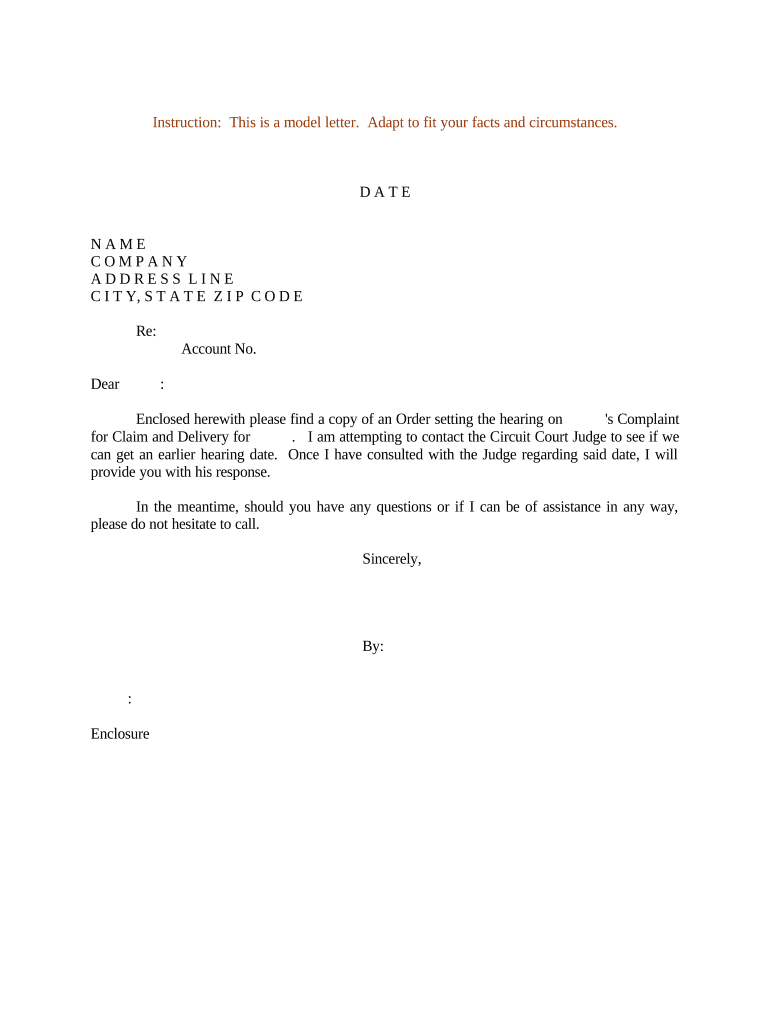
Heading

Date, recipient name and address, and a brief subject line summarizing the complaint purpose.
Opening

A short salutation and one-sentence summary identifying the transaction, account, or property at issue.

Incident Summary

Clear chronological description of events with specific dates, times, locations, product or service identifiers, and personnel names where known.

Evidence

List of attachments such as receipts, photos, invoices, emails, or service records that corroborate your claims.

Requested Remedy

Specific outcome you seek (refund, repair, correction, credit) with a reasonable deadline for response.

Closing

Signature block with printed name, contact details, and preferred method for response; indicate willingness to escalate if unresolved.

Required Information to Include in the Letter of Complaint

Full legal name: As shown on government ID
Contact details: Phone, email, mailing address
Account or invoice: Account number or invoice ID
Date and time: Exact dates of incident
Incident summary: Concise factual description
Requested remedy: Specific corrective action

Step-by-Step: Drafting and Sending Your Letter of Complaint

Follow this simple sequence to create a clear, evidence-backed complaint that is easy for recipients to act on.

  • 01
    Gather evidence: Collect receipts, photos, and correspondence first.
  • 02
    Write concisely: State facts, dates, and the requested remedy.
  • 03
    Attach proofs: Append labelled documents to support claims.
  • 04
    Send and retain: Use a trackable delivery method and save copies.

How to Customize and Complete a Complaint Letter Online

Digital tools let you create templates, pre-fill identifiers, require specific fields, and capture signatures with an audit trail.

Field Configuration
Template Create reusable complaint templates for consistent claims
Signature Type Choose electronic signature or handwritten image
Authentication Use email, SMS, or stronger identity verification
Save Format PDF/A export with embedded audit trail

Where to File or Send a Letter of Complaint

Choose the correct recipient based on the issue: company first, then regulator or small-claims court if unresolved. Keep records of delivery and responses.

  • Company: Send to customer service or claims department with attachments
  • Regulator: File with consumer protection, state attorney general, or licensing board
  • Small claims: Use complaint in court filing if monetary remedy required
  • Third parties: Share with credit bureaus, payment processors, or trade associations when relevant

Delivery and eSubmission Options

Electronic delivery and eSubmission reduce processing time and create verifiable audit trails when configured correctly.

  • Email: Send as PDF with read receipt where possible
  • eSignature platforms: Enable signed delivery and tamper-evident PDFs
  • Regulatory portals: Submit directly when agencies provide online forms

Typical Timelines and Response Expectations

Expect response windows to vary: companies often acknowledge receipt within a few business days, regulators take longer, and court actions have statutory deadlines.

Company acknowledgement:

Aim for 5–10 business days for initial response

Regulator review:

Agencies commonly respond in 30–90 days depending on caseload

Preserve evidence:

Collect and save records immediately to avoid spoliation

Small-claims filing:

Statutes of limitations govern filings; vary by claim type

Internal deadlines:

Set a reasonable remedy deadline (e.g., 14–30 days)

Common Mistakes to Avoid When Preparing a Complaint

  • Vague requests that don’t specify a measurable remedy or deadline, leading to ambiguous outcomes.
  • Missing or mismatched account identifiers that prevent the recipient from locating your transaction or file.
  • Emotional or accusatory language that distracts from facts and may escalate defensively.
  • Failing to preserve originals and metadata, which weakens evidentiary value if escalation occurs.

Potential Legal Risks from an Incorrect or Improper Letter

Defamation risk: False factual claims may trigger liability
Privacy exposure: Including PHI may violate HIPAA rules
Contract breach: Misstating contract terms can affect remedies
Evidence spoliation: Altering or destroying documents harms credibility
Court sanction: Frivolous filings risk sanctions
Delayed remedy: Incomplete letters delay relief

eSignature Pricing Context for Sending and Signing Complaint Letters

Compare representative per-user starting prices and core features for common eSignature vendors; signNow is shown first to reflect platform-level pricing tiers and capabilities.

signNow DocuSign Adobe Sign PandaDoc HelloSign
Starting Price $8/user/mo $15/user/mo $14/user/mo $19/user/mo $15/user/mo
Free Trial 7-day free trial Available Available Available Available
Bulk Send Yes Yes Yes Yes Varies
Audit Trail Yes Yes Yes Yes Yes
HIPAA Compliant Yes Yes Yes No No

Frequently Asked Questions About Letter of Complaint Preparation and eSubmission

Answers to common practical and legal questions about drafting, signing, submitting, and preserving complaint letters in the United States.


Need help? Contact support

be ready to get more
Join over 28 million airSlate SignNow users