Establishing secure connection…Loading editor…Preparing document…

Sale Purchase Agreement

This template is fully customizable. Edit the text, fill out the fields, and send it for signature. Give it a try!
Sale Purchase Agreement

What the Sale Purchase Agreement Is and when it applies

A Sale Purchase Agreement is a legally binding contract that records the terms under which a seller transfers goods, assets, or property to a buyer in exchange for consideration. It defines the parties, the subject matter being sold, price or payment terms, delivery or closing mechanics, representations and warranties, conditions precedent, and remedies for breach. For real estate and business transactions the agreement often coordinates with escrow, title, and closing statements; for asset sales it may include schedules, assigned contracts, and inventory lists. Clear terms reduce post-closing disputes and support enforceability.

Why a clear Sale Purchase Agreement matters

A precise Sale Purchase Agreement allocates risk, documents the parties’ obligations, and creates enforceable remedies. It clarifies payment timing, closing conditions, and what is being transferred, which reduces ambiguity during closing and supports compliance with tax, regulatory, and industry-specific rules.

Why a clear Sale Purchase Agreement matters

Who typically prepares and signs a Sale Purchase Agreement

The agreement is used by buyers and sellers across real estate, corporate asset transfers, and equipment sales; professionals often assist with drafting and review.

  • Real estate brokers and closing agents, who manage title, escrow, and disclosure coordination during property transfers.
  • Business owners and corporate counsel, who negotiate asset purchase terms, representations, and indemnities for M&A or carve-outs.
  • Lenders and escrow agents, who require accurate payoff, escrow, and lien release instructions for financing and closing.

In many transactions attorneys, title companies, or licensed agents prepare or review the agreement to align it with statutory transfer rules and local closing procedures.

Filling out a Sale Purchase Agreement: step-by-step

Follow this sequence to complete the agreement accurately and reduce rework before closing.

  • 01
    Identify Parties: Enter full legal names exactly as on ID or entity formation documents.
  • 02
    Describe Property: Specify asset details, legal description, VIN/serials, or schedule references.
  • 03
    Set Consideration: State the exact dollar amount, currency, and payment schedule.
  • 04
    Specify Conditions: List closing conditions, inspections, and documents required for funding.

Common questions and solutions for Sale Purchase Agreements

Answers to frequent execution, validity, and post-closing questions encountered when working with sale purchase agreements.


Need help? Contact support

Essential sections every professional Sale Purchase Agreement should include

A complete agreement addresses identification, transfer mechanics, and the protections both parties need to manage risk before and after closing.

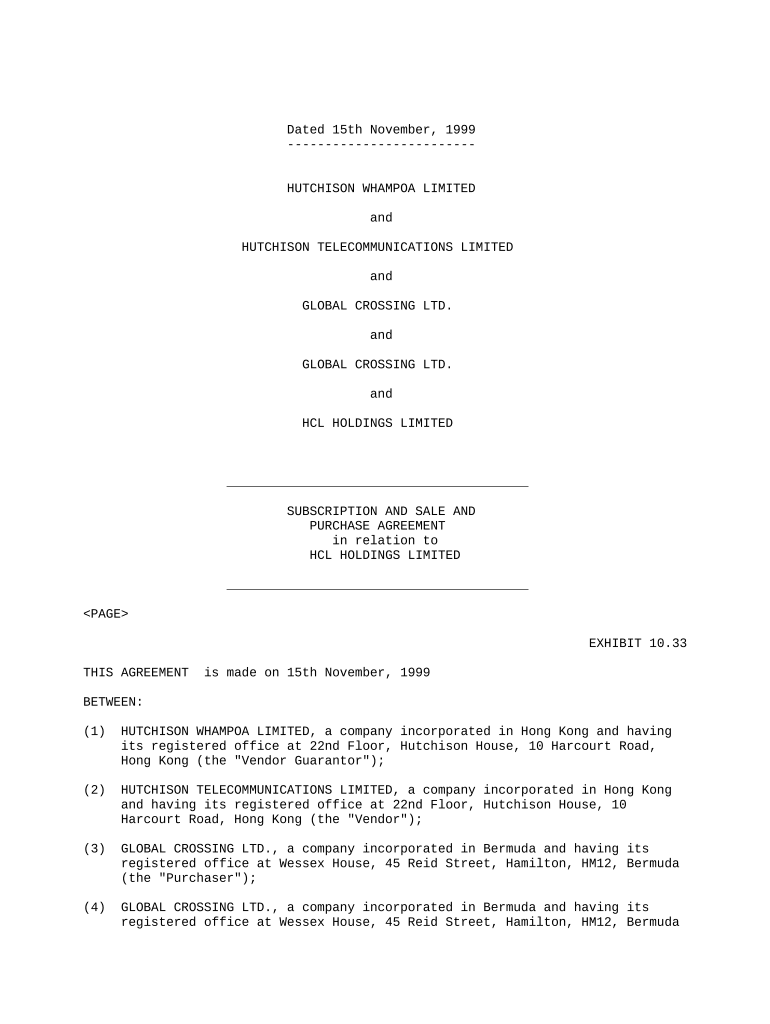
Parties

Full legal names and contact details, including entity type and state of formation for corporate parties, to support correct recordation and tax reporting.
Subject Matter

Detailed description of the assets, property, or business units being transferred, with attached schedules for excluded items and serial numbers where applicable.

Consideration

Clear purchase price, payment method, escrow instructions, and any contingent earn-outs or holdbacks, including allocation for tax reporting purposes.

Representations

Seller and buyer representations about title, authority, financial condition, and compliance that form the basis for buyer reliance and indemnity triggers.

Conditions

Closing conditions, inspection rights, third-party consents, and financing contingencies that must be satisfied or waived prior to transfer.

Remedies

Post-closing indemnities, limitation of liability, escrow release schedules, and dispute resolution provisions such as governing law and arbitration clauses.

Required data elements for validity and processing

Party Names: Exact legal names
Addresses: Full street addresses
Consideration: Dollar amount
Effective Date: MM/DD/YYYY
Signatures: Signed and dated
Supporting Schedules: Attached lists

Consequences of errors or omissions

Title Risk: Clouded transfer
Tax Exposure: Incorrect reporting
Payment Dispute: Withheld funds
Regulatory Fines: Sector penalties
Contract Breach: Damages/liquidated
Record Invalidity: Enforceability issues

Common drafting and execution pitfalls

  • Ambiguous property descriptions that omit legal descriptions or schedules, creating uncertainty about what is transferred and leading to post-closing disputes.
  • Vague payment terms such as 'net reasonable amount' instead of a precise dollar figure and payment schedule, which can trigger litigation over intent.
  • Failure to identify required third-party consents or assignable contracts, causing last-minute closing delays or breaches of underlying agreements.
  • Relying on informal signatures or unsigned exhibits; unsigned schedules and attachments are often treated as non-binding or not incorporated.

Typical electronic execution workflow for a Sale Purchase Agreement

This is a common online signing sequence for contract routing, review, and secure execution.

  • Upload Document: Place mandatory fields and attach schedules.
  • Add Signers: Assign signer roles and signing order.
  • Authenticate: Use email, SMS, or stronger methods as needed.
  • Complete & Archive: Capture audit trail and distribute executed copies.

Configuring an online signing workflow for this agreement

Set these workflow fields before sending the agreement to ensure consistent authentication, routing, and retention.

Field Configuration
Signing Order Sequential or parallel routing depending on closing needs
Authentication Email by default; SMS or KBA for higher assurance
Attachments Attach schedules, title report, and escrow instructions
Retention Automatic PDF + audit trail for recordkeeping

Digital signing considerations and platform requirements

Choose a platform that supports required authentication, audit trails, and secure storage for sale and purchase transactions.

  • Integrations: Salesforce, NetSuite, and cloud storage
  • Formats: PDF and DOCX supported
  • Security: AES-256 at rest

Key timing obligations and deadlines to track

Monitor statutory and contractual deadlines to avoid penalties and preserve rights.

Effective Date vs Closing:

Effective date often differs from closing date; confirm both explicitly.

Inspection Period:

Set a clear deadline for buyer inspections and notice of defects.

Financing Contingency:

Specify date for loan approval or waiver.

Prorations and Adjustments:

State cut-off dates for tax, utilities, and rent proration.

Recordation Timing:

Specify when deed or transfer documents will be recorded.

Major milestones from negotiation to post-closing

Track these sequential stages to coordinate parties, escrow, and third-party obligations toward a successful closing.

01

Offer and Acceptance

Agreement signature and earnest money deposit prior to inspections.

02

Due Diligence

Inspections, title review, and seller disclosures completed.

03

Conditions Satisfied

Financing, consents, and cure of title issues resolved.

04

Closing and Recording

Funds transferred, documents executed, and deed recorded.

eSignature vendor comparison for executing Sale Purchase Agreements

Comparison of common capability and pricing dimensions. signNow is listed first as the platform column; competitor pricing reflects typical annual-billed starting tiers.

signNow DocuSign Adobe Sign PandaDoc HelloSign
Starting Price $8/user/mo $15/user/mo $14/user/mo $19/user/mo $15/user/mo
Free Trial 7-day free trial No No Yes, limited Yes, limited
Bulk Send Yes Yes Yes Yes No
Audit Trail Yes Yes Yes Yes Yes
HIPAA Compliant Yes Yes Yes No No
Envelope Cap No cap 100 envelopes/user/year Varies by plan Varies by plan Varies by plan
be ready to get more
Join over 28 million airSlate SignNow users