Establishing secure connection…Loading editor…Preparing document…

South Carolina Tenant Law

This template is fully customizable. Edit the text, fill out the fields, and send it for signature. Give it a try!
South Carolina Tenant Law

What South Carolina Tenant Law Covers

South Carolina Tenant Law refers to the statutory and case-law framework that governs landlord and tenant relationships in South Carolina, including lease formation, security deposits, maintenance obligations, notice requirements, eviction procedures, and remedies for breach. The framework combines state statutes, local ordinances, and court decisions that allocate rights and duties between renters and property owners. This guide summarizes typical requirements for residential tenancies, highlights common compliance pitfalls, and explains how to prepare, execute, and preserve tenant-related documents so they are enforceable in state or federal proceedings.

Why Understanding South Carolina Tenant Law Matters

Clear knowledge of tenant law reduces dispute risk, ensures leases are enforceable, and protects security deposits and possession rights for both landlords and tenants.

Why Understanding South Carolina Tenant Law Matters

Who Commonly Uses South Carolina Tenant Law Documents

These documents are used by the parties who create, manage, or enforce rental agreements in South Carolina.

  • Independent landlords and small property owners who self-manage single-family homes or small multiunit buildings.
  • Property management companies and leasing agents responsible for standard leases, renewals, and move-in/move-out paperwork.
  • Tenants preparing to sign a lease, contest a deposit charge, or respond to a notice to vacate.

Legal counsel, housing courts, and local housing agencies also review these records when resolving disputes or enforcing statutory duties.

Essential Elements of a Professional South Carolina Lease

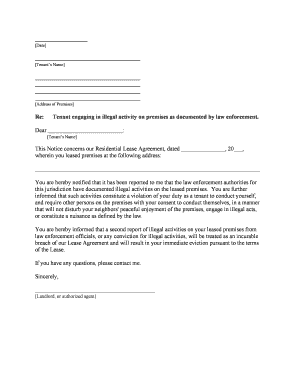
A well-drafted South Carolina residential lease documents the parties, rental terms, payments, property condition, and remedies. Include clear definitions and operational clauses to reduce ambiguity and support enforcement.

Parties

Full legal names and contact details for landlord and tenant.
Premises

Complete street address and unit identifiers for the rental property.

Term

Start and end dates and renewal/termination procedures.

Rent & Fees

Amount, due date, late fees, and acceptable payment methods.

Deposits

Security deposit amount, holding account, and return conditions.

Maintenance

Who performs repairs, response times, and habitability standards.

Step-by-Step: Preparing and Executing a Lease

Follow these practical steps to prepare an enforceable residential lease in South Carolina.

  • 01
    Gather Details: Collect IDs, property data, and payment terms.
  • 02
    Draft Lease: Populate a standard lease template with accurate values.
  • 03
    Review Terms: Ensure notice, deposit, and repair clauses are clear.
  • 04
    Sign & Distribute: Execute signatures and provide copies to all parties.

Quick Checklist for Lease Administration

Use this grid to manage recurring administration tasks and compliance checkpoints.

01

Lease Creation:

Use a standardized template to reduce errors.
02

Screening:

Run authorized background and credit checks.
03

Move-In Inspection:

Document condition with photos and signed checklist.
04

Rent Collection:

Record payments and issue receipts consistently.
05

Maintenance Log:

Track requests, responses, and invoices.
06

Move-Out:

Compare condition, apply deductions, and provide itemized accounting.

How Document Flow Typically Works

Understand the common workflow from document creation to storage and dispute resolution.

  • Create Document: Draft lease or notice with required fields.
  • Send to Signer: Deliver via email link or secure portal.
  • Signer Signs: Authenticate and apply signatures.
  • Store Record: Save signed copy and audit trail for future use.

Recommended eSigning Workflow Settings

Configure platform settings to match your compliance and operational needs before sending tenant documents.

Field Configuration
Authentication Email + SMS code for renter verification
Signature Order Tenant signs first, landlord signs last
Retention Keep signed PDFs and audit trail for lease term plus retention period
Notifications Auto-notify parties on completion and reminders

Technical Considerations for eSigned Tenant Documents

Choose a platform that meets legal and operational requirements for secure signing and recordkeeping.

  • File Formats: PDF and DOCX supported
  • Authentication: Email, SMS, and optional KBA
  • Integrations: Link to property management systems

Ensure the platform stores an immutable audit trail (timestamps, IP, signer info) and allows reliable export for court or administrative use.

Common Timing and Notice Considerations

Timelines for notices and deposits vary by lease language and state law; verify lease terms and applicable South Carolina rules before acting.

Notice to Enter:

Follow lease or local custom; provide reasonable advance notice.

Nonpayment Notice:

Serve according to lease terms and local procedures before eviction filing.

Security Deposit Return:

Provide itemized accounting and refund per lease or state guidance.

Lease Renewal Deadlines:

Communicate renewal or termination intent within lease-specified timeframes.

Eviction Court Dates:

Court scheduling varies; expect multi-week processing times.

Key Milestones in a Typical Lease Lifecycle

Sequential milestones from agreement to final accounting help manage compliance and reduce disputes.

01

Agreement Signed

Lease becomes binding when all parties sign and dates are set.

02

Move-In Inspection

Document condition and attach signed checklist to the lease file.

03

Ongoing Notices

Track any written notices served between landlord and tenant.

04

Move-Out Accounting

Provide itemized deductions and refund security deposit as required.

Risks and Legal Consequences of Errors

Improper Eviction: May result in damages or stay of eviction
Wrongful Withholding: Can trigger mandatory refunds and penalties
Invalid Notices: Court may dismiss eviction filings
Name Mismatches: Service issues and enforceability gaps
Missing Records: Evidence gaps in contested hearings
Unauthorized Fees: Statutory fines or consumer claims

Common Mistakes to Avoid

  • Using ambiguous lease language about repairs and utilities that creates overlapping landlord/tenant obligations and invites disputes.
  • Failing to document move-in condition with photos and signed checklists, which complicates deposit disputes at move-out.
  • Relying on verbal agreements for lease term changes without a written amendment signed by both parties.
  • Sending notices without tracking proof of service, which weakens claims in court or administrative hearings.

Data and Security Considerations for Tenant Records

Encryption: TLS 1.2/1.3 in transit; AES-256 at rest
Access Controls: Role-based access and audit logs
Audit Trail: Capture IP, timestamps, and signer identity
HIPAA BAA: Required if health data included
Retention Policies: Automated archival and deletion schedules
Backup: Regular encrypted backups and redundancy

Use Cases: How Documents Solve Common Problems

Real-world scenarios show how clear documentation reduces disputes and supports legal remedies.

Small Landlord Lease Execution

A landlord used a standardized lease and documented move-in condition to avoid a deposit dispute.

  • The signed checklist and photos proved property condition.
  • At small claims court, the itemized deductions were upheld because the landlord provided contemporaneous signed evidence and clear lease provisions.

Tenant Repair Notice and Remedy

A tenant sent a written repair request and kept delivery proof to the landlord.

  • The landlord’s delayed response led to a rent abatement negotiation.
  • The documented timeline supported a resolution without eviction and established a remedy record for both parties.

eSignature Vendor Comparison for Tenant Documents

Common eSignature options vary by price, compliance features, and enterprise capabilities; signNow is listed first for comparison purposes.

signNow DocuSign Adobe Sign PandaDoc HelloSign
Starting Price $8/user/mo $15/user/mo $14/user/mo $19/user/mo $15/user/mo
Free Trial 7-day free trial Varies by vendor Varies by vendor Varies by vendor Varies by vendor
Bulk Send Yes Yes Yes Yes No
Audit Trail Yes Yes Yes Yes Yes
HIPAA Compliant Yes Yes Yes No No

Frequently Asked Questions About South Carolina Tenant Documents

Answers to common legal and practical questions when preparing, signing, and enforcing tenant-related documents.


Need help? Contact support

be ready to get more
Join over 28 million airSlate SignNow users