Establishing secure connection…Loading editor…Preparing document…
Summons Complaint
This template is fully customizable. Edit the text, fill out the fields, and send it for signature. Give it a try!
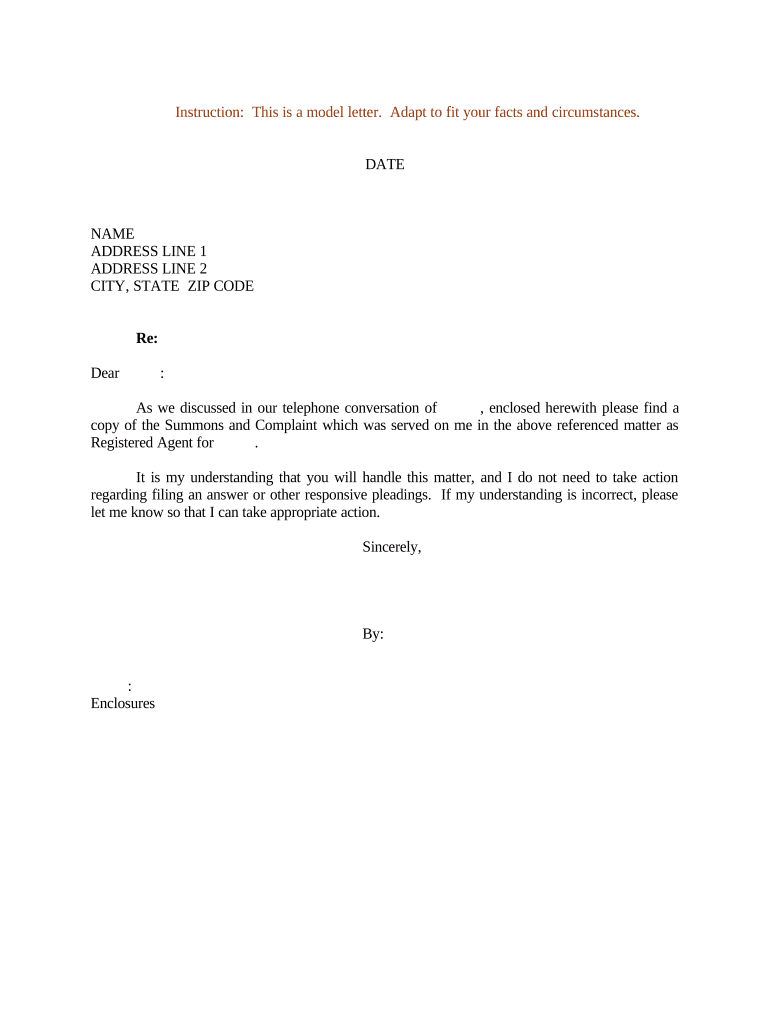
What a Summons Complaint Is and why it matters
Why preparing the Summons Complaint correctly protects your case
A properly drafted and served Summons Complaint preserves procedural rights, establishes jurisdictional basis, and starts statutory deadlines; mistakes can lead to dismissal, delay, or forfeiture of remedies.

Who prepares and handles Summons Complaints
Plaintiffs, attorneys, court clerks, and process servers commonly prepare, file, and manage Summons Complaints during civil litigation.
- Plaintiff or plaintiff's counsel: drafts complaint, files with clerk, and arranges service of process.
- Defendant and defense counsel: review complaint, prepare responsive pleadings or motions to dismiss.
- Process servers and sheriffs: serve documents on defendants and return proof of service to the filing party.
Step-by-step: prepare, file, and serve a Summons Complaint
-
01Draft Complaint: State parties, jurisdiction, factual allegations, causes of action, and relief requested.
-
02Prepare Summons: Complete the court's summons form naming defendant and showing response deadline.
-
03File With Court: Submit originals, required copies, civil cover sheet, and pay the filing fee.
-
04Serve Defendant: Use authorized process server or sheriff and file a proof/return of service.
Flow from drafting through proof of service
-
Create: Draft complaint and summons documents with correct party details.
-
Authorize: Sign and date by plaintiff or counsel as required.
-
File: Submit to the court clerk via e-file or paper filing.
-
Serve: Deliver to defendant and file proof of service with the court.
Recommended e-filing and workflow settings for Summons Complaints
| Workflow Field and Configuration Settings | How to set this field for court filing and service, including required metadata and stamps. |
|---|---|
| E-filing Court Selection Setting Name | Select exact state and county court used for electronic filing to route documents correctly. |
| Proof of Service Upload and Storage | Attach the signed return of service and retain timestamped copies for the court record. |
| Signature Authentication and Verification Method | Choose email link, SMS code, or stronger KBA/MFA based on court and opposing party needs. |
| Retention Period and Audit Log Settings | Enable audit trails, timestamps, and version history to support later enforcement or appeals. |
Technical considerations for e-filings and e-signatures
Use a platform that produces court-acceptable PDFs, preserves audit trails, and integrates with e-filing portals where required.
- Document formats: PDF/A, DOCX, and court-specific PDF requirements.
- Integrations: Connect to court e-filing portals and case management systems.
- Authentication: Support email, SMS, knowledge-based, or multifactor sign-in methods.
Consequences of incorrect filing or service
Dismissal risk:
Case may be dismissed for defective service.
Default judgment:
Defendant's failure to respond can lead to default judgment.
Jurisdiction challenge:
Improper venue or parties may defeat court jurisdiction.
Sanctions exposure:
Clerical or tactical missteps can trigger court sanctions.
Delay and cost:
Correction motions and refiling raise time and expenses.
Evidentiary gaps:
Missing proof of service undermines enforceability.
Common mistakes to avoid when preparing a Summons Complaint
- Failing to name the correct legal entity for a defendant, which can prevent valid service and waste filing fees and time.
- Using the wrong court or venue in the caption, producing a jurisdictional defect that can result in dismissal or transfer.
- Omitting an accurate proof of service or failing to timely file the return, undermining enforceability and delaying hearings.
- Relying on informal electronic delivery without complying with local court e-filing and service rules, risking invalidation of service.
Comparing eSignature vendors for preparing and signing Summons Complaints
| signNow | DocuSign | Adobe Sign | PandaDoc | HelloSign | |
|---|---|---|---|---|---|
| Starting Price | $8/user/mo | $15/user/mo | $14/user/mo | $19/user/mo | $15/user/mo |
| Free Trial | Yes — 7-day free trial | Varies by vendor | Varies by plan | Yes — limited trial | Yes — limited trial |
| Bulk Send | Yes (Business Premium) | Yes | Yes | Yes | No |
| Audit Trail | Yes | Yes | Yes | Yes | Yes |
| HIPAA Compliant | Yes (BAA available) | Yes (BAA available) | Yes (BAA available) | No | No |
Frequently asked questions about Summons Complaints
-
What exactly is a Summons Complaint?
A Summons Complaint combines the complaint that alleges claims with the summons that notifies the defendant of the lawsuit and required response. Filing occurs with the appropriate court clerk; service of process must then be completed under local civil procedure rules to confer jurisdiction.
-
How must service of process be completed?
Service methods depend on jurisdiction: personal delivery, substituted service, service on authorized agents, or statutory alternatives. Always consult local civil procedure rules to confirm acceptable methods and timeframes and to ensure a return of service is filed with the court.
-
Can a Summons Complaint be signed electronically?
Electronic signatures are generally valid under the ESIGN Act (15 U.S.C. ch. 96) and UETA where adopted, but courts and some filings may have specific signature, verification, or original-document requirements; check local court rules before relying solely on an e-signature.
-
What happens if the defendant does not respond?
If the defendant fails to timely answer or move, the plaintiff may seek entry of default and a default judgment under applicable court rules. Proper service and proof are prerequisites to obtaining default relief; defective service may bar default relief.
-
How do I correct a filing error after submission?
Minor clerical errors may be corrected by filing an amended complaint or a notice of correction; substantive errors may require motions for leave to amend. Timely consult local rules and opposing counsel to reduce dispute and potential sanctions.
-
How long should I keep filing and service records?
Retain case filings, proof of service, and audit trails for the full case lifecycle plus statutory retention: at least three years for tax-related matters (IRC §6501(a)), six years for HIPAA records (45 CFR §164.530(j)), and longer where state law or case type requires.
be ready to get more
Join over 28 million airSlate SignNow users