What is the software contract
A software contract is a legally binding agreement between parties that outlines the terms and conditions related to software development, licensing, and usage. This document is essential for defining the rights and responsibilities of both the software provider and the client. It typically includes details such as project scope, deliverables, payment terms, timelines, and intellectual property rights. In the context of electronic workflows, a software contract can be completed and signed digitally, ensuring a streamlined process that saves time and reduces paperwork.
How to use the software contract
Using a software contract involves several key steps. First, identify the specific needs of your project and select a suitable software contract template. Next, fill out the necessary information, including the parties involved, project details, and payment terms. Once the document is complete, you can send it for electronic signature using airSlate SignNow. This allows all parties to review and eSign the contract securely, ensuring that it is legally binding and easily accessible for future reference.
Steps to complete the software contract
Completing a software contract electronically is a straightforward process. Follow these steps:
- Access the software contract template within airSlate SignNow.
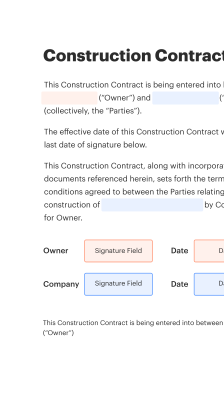
- Fill in the required fields, such as the names of the parties, project description, and payment details.
- Review the document for accuracy and completeness.
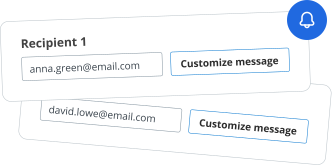
- Send the contract for signature by entering the email addresses of all parties involved.
- Each party will receive an email notification to review and eSign the document.
- Once all signatures are obtained, the completed contract will be securely stored in your airSlate SignNow account.
Key elements of the software contract
Understanding the key elements of a software contract is crucial for effective use. Important components typically include:
- Parties involved: Clearly state the names and contact information of all parties.
- Scope of work: Define the specific services to be provided, including deliverables and milestones.
- Payment terms: Outline the payment schedule, amounts, and accepted payment methods.
- Intellectual property rights: Specify who owns the rights to the software and any related materials.
- Confidentiality clauses: Include provisions to protect sensitive information shared between parties.
- Termination conditions: Describe the circumstances under which the contract can be terminated.
Legal use of the software contract
To ensure the legal validity of a software contract, it is essential to comply with applicable laws and regulations. In the United States, electronic signatures are recognized under the Electronic Signatures in Global and National Commerce (ESIGN) Act and the Uniform Electronic Transactions Act (UETA). This means that as long as both parties consent to use electronic signatures, the contract is legally binding. It is advisable to retain a copy of the signed contract for record-keeping and legal purposes.
Security & Compliance Guidelines
When managing software contracts electronically, security and compliance are paramount. airSlate SignNow employs advanced encryption methods to protect sensitive information during transmission and storage. Users should ensure that access to signed documents is restricted to authorized personnel only. Additionally, regular audits and compliance checks can help maintain adherence to industry standards and legal requirements, safeguarding the integrity of the electronic signing process.