CRM Compatible Con PCI DSS De airSlate SignNow vs. Copper: Explore La Diferencia Y Elija La Solución Adecuada
Solución de firma electrónica galardonada




Impulsa tu negocio con la solución de firma electrónica de airSlate SignNow
Agrega tu firma legalmente vinculante
Integra mediante API
Envía documentos condicionales
Comparte documentos mediante un enlace de invitación
Ahorra tiempo con plantillas reutilizables
Mejora la colaboración en equipo
Vea las firmas electrónicas de airSlate SignNow en acción
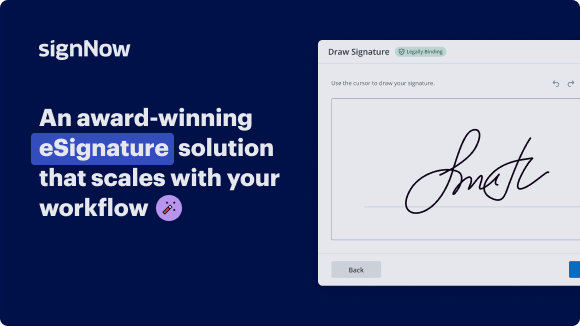


Soluciones de airSlate SignNow para una mayor eficiencia
Las reseñas de nuestros usuarios hablan por sí mismas










Por qué elegir airSlate SignNow
-
Prueba gratuita de 7 días. Elige el plan que necesitas y pruébalo sin riesgos.
-
Precios honestos para planes completos. airSlate SignNow ofrece planes de suscripción sin cargos adicionales ni tarifas ocultas al renovar.
-
Seguridad de nivel empresarial. airSlate SignNow te ayuda a cumplir con los estándares de seguridad globales.

airSlate SignNow los niveles más altos de seguridad empresarial con airSlate SignNow - haga la elección más eficiente entre el CRM compatible con PCI DSS de airSlate SignNow y Copper
Las opciones de firma electrónica se están convirtiendo en una práctica común para empresas de todos los tamaños y sectores. Se pueden definir comúnmente como un equivalente digital de una firma con tinta húmeda, tienen los mismos poderes legalmente vinculantes y desempeñan un papel importante en la generación y aprobación de documentos. Elegir la aplicación adecuada que incluya todos sus requisitos y ofrezca los mayores niveles de seguridad es crucial. Como plataforma de firma electrónica, airSlate SignNow garantiza que cada etapa del proceso de creación y aprobación de documentos sea segura, privada y cumpla con los estándares y especificaciones internacionales.
Elegir la mejor solución entre el CRM compatible con PCI DSS de airSlate SignNow y Copper puede ser sencillo cuando conoce las ventajas de airSlate SignNow y su nuevo CRM. Lleve la relación con su cliente a un nivel superior con el potente editor de PDF, firma electrónica segura y CRM de airSlate SignNow.
Una guía sencilla sobre cómo gestionar su CRM de airSlate SignNow antes de evaluar el CRM compatible con PCI DSS de airSlate SignNow vs. Copper
- Inicie sesión o cree un nuevo perfil en airSlate SignNow. Regístrese rápidamente con el correo electrónico, Google y Facebook o perfil de Microsoft.
- Aproveche nuestra prueba gratuita de 7 días para explorar todas las funciones de airSlate SignNow y también para ver qué ofrecen.
- Seleccione Contratos en la barra de navegación para acceder a nuestro CRM de airSlate SignNow.
- Todos los contratos se guardan automáticamente una vez que interactúa con ellos. Puede agregar, cambiar y revisar contactos.
- Agregue fácilmente nuevos archivos desde la computadora, almacenamiento en la nube o catálogo de plantillas y seleccione destinatarios. Asigne cada campo a una persona específica para ofrecer acceso exclusivo y seguro al formulario.
- Envíe invitaciones personalizadas o comparta archivos mediante enlace con los clientes.
- Preserve y acceda a sus archivos de forma segura cuando lo desee.
El CRM de airSlate SignNow le ofrece una experiencia completa de generación de documentos, compartición segura y firma de acuerdos. Nunca se quede dormido y pierda todas las opciones que ofrece el CRM compatible con PCI DSS de airSlate SignNow vs. Copper.
Cómo funciona
Funciones de airSlate SignNow que los usuarios adoran





¡Obtenga firmas legalmente vinculantes ahora!
Preguntas frecuentes
-
¿Es seguro usar el CRM de airSlate SignNow con registros legales?
airSlate SignNow permite a especialistas de diferentes negocios manejar sus documentos utilizando las últimas medidas de cifrado y seguridad. Protegemos cada archivo con el que interactúa contra accesos no autorizados o filtraciones de datos con funciones adicionales como acceso basado en roles. Asegúrese de que sus acuerdos y datos privados estén seguros con el CRM de airSlate SignNow compatible con PCI DSS. Visite nuestra página de seguridad para obtener más información sobre las medidas y prácticas de protección en airSlate SignNow.
-
¿Son legalmente vinculantes las firmas de airSlate SignNow?
Sí. Las firmas electrónicas son el equivalente digital de las firmas tradicionales con tinta húmeda. Dentro de la Ley ESIGN de 2000, son legítimas en todos los estados de EE. UU.; a nivel mundial, la mayoría de los países también las han aprobado mediante leyes que las reconocen. Los documentos firmados con airSlate SignNow tienen exactamente el mismo valor legal que los tradicionales.
-
¿Qué factores debe considerar al elegir el CRM de airSlate SignNow compatible con PCI DSS vs. Copper?
Su elección depende de los requisitos que desea cumplir al decidirse por una solución de CRM y firma electrónica. Recomendamos que preste atención a los siguientes aspectos:
- Funciones adicionales que le permitan en cualquier etapa del proceso de generación de documentos.
- Las regulaciones y criterios de seguridad internacionales con los que el programa cumple.
- Métodos de identificación de firmantes utilizados y otros pasos diseñados para proteger su información.
- La facilidad con la que puede integrar las herramientas de su organización (API y otras).
- Atención al cliente 24/7.
-
¿Cuáles son las ventajas del CRM de airSlate SignNow vs. Copper?
Si desea control total de sus contratos y acuerdos y nunca perder contacto con las bases de datos de sus clientes, confíe en el CRM de airSlate SignNow. airSlate SignNow es una de las soluciones más flexibles y fáciles de usar disponibles en el mercado. Ahorre su tiempo y dinero valiosos, y el bienestar de sus empleados con una solución integral de firma electrónica que cubre todas sus necesidades.
-
¿Puede probar el CRM de airSlate SignNow sin costo?
Sí, con nuestra oferta de prueba gratuita, puede probar todas las funciones premium de airSlate SignNow. Regístrese y elija una versión de prueba gratuita de 7 días para conocer las capacidades robustas de generación de documentos y firma electrónica de airSlate SignNow y gestionar sus clientes en CRM sin tener que cambiar entre más de dos plataformas.
-
¿Puedo usar el CRM de airSlate SignNow para organizaciones sin fines de lucro?
El CRM de airSlate SignNow realiza perfectamente cualquier tarea y objetivo que imagine para su equipo o negocio. Puede usar con éxito el CRM de airSlate SignNow para empresas de cualquier tamaño y sector, especialmente organizaciones sin fines de lucro. Guarde de forma segura los contratos de sus donantes, coordine voluntarios y aumente su productividad y eficacia.
Lo que dicen los usuarios activos — pci dss compliant signNow's crm vs copper


Obtén más para pci dss compliant signNow's crm vs copper
- Encuentra la Mejor Plantilla de Factura para Abogado para Recursos Humanos
- Plantilla de Factura Fácil para Contabilidad y Impuestos
- Plantilla de factura para abogados en educación
- Personaliza facturas en QuickBooks Online para Contabilidad e Impuestos
- Personaliza facturas en QuickBooks Online para Comunicaciones y Medios
- Personaliza facturas en QuickBooks Online para la Industria de la Construcción
- Personaliza facturas en QuickBooks Online para servicios financieros
- Personaliza facturas en QuickBooks Online para el Gobierno