Plantilla De Factura En Google Docs Para Personal
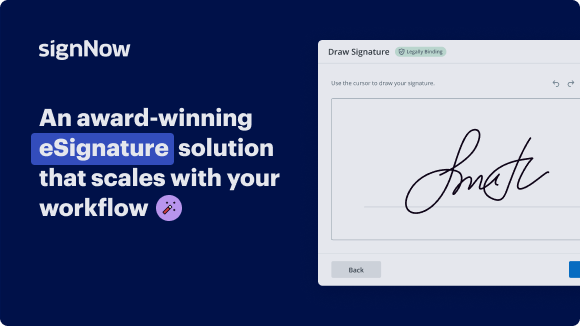
Solución de firma electrónica galardonada




Impulsa tu negocio con la solución de firma electrónica de airSlate SignNow
Agrega tu firma legalmente vinculante
Integra mediante API
Envía documentos condicionales
Comparte documentos mediante un enlace de invitación
Ahorra tiempo con plantillas reutilizables
Mejora la colaboración en equipo
Vea las firmas electrónicas de airSlate SignNow en acción


Soluciones de airSlate SignNow para una mayor eficiencia
Las reseñas de nuestros usuarios hablan por sí mismas











Por qué elegir airSlate SignNow
-
Prueba gratuita de 7 días. Elige el plan que necesitas y pruébalo sin riesgos.
-
Precios honestos para planes completos. airSlate SignNow ofrece planes de suscripción sin cargos adicionales ni tarifas ocultas al renovar.
-
Seguridad de nivel empresarial. airSlate SignNow te ayuda a cumplir con los estándares de seguridad globales.

Cómo firmar un recordatorio de pago vencido usando airSlate SignNow
Si gestionas pagos vencidos, enviar un recordatorio puede incentivar una acción rápida. Con airSlate SignNow, las empresas pueden firmar eficazmente recordatorios de pago vencido mientras mantienen el profesionalismo y la claridad. Esta guía describe cómo utilizar esta poderosa herramienta para tus necesidades.
Pasos para firmar un recordatorio de pago vencido con airSlate SignNow
- Accede al sitio web de airSlate SignNow a través de tu navegador web preferido.
- Crea una cuenta de prueba gratuita o inicia sesión en tu cuenta existente.
- Sube el documento de recordatorio de pago vencido que deseas firmar o compartir.
- Si planeas utilizar este documento en el futuro, conviértelo en una plantilla reutilizable.
- Abre el archivo para editar: inserta campos rellenables o información necesaria.
- Agrega tu firma e incluye campos de firma para los destinatarios.
- Haz clic en 'Continuar' para configurar la invitación de firma electrónica y enviarla.
Al aprovechar airSlate SignNow, las empresas pueden disfrutar de un retorno de inversión notable debido a su amplio conjunto de funciones diseñadas para ser rentables. Esta plataforma fácil de usar está especialmente diseñada para pequeñas y medianas empresas, facilitando su adaptación y escalabilidad a medida que evolucionan tus necesidades.
Con estructuras de precios claras y sin tarifas ocultas, airSlate SignNow también ofrece soporte al cliente excepcional 24/7 para todos los planes de pago. ¡Comienza a optimizar tu proceso de firma de documentos hoy con airSlate SignNow!
Cómo funciona
Funciones de airSlate SignNow que los usuarios adoran





¡Obtenga firmas legalmente vinculantes ahora!
Preguntas frecuentes
-
¿Cuál es el proceso para firmar un recordatorio de pago vencido usando airSlate SignNow?
Para firmar un recordatorio de pago vencido con airSlate SignNow, simplemente sube tu documento, personalízalo según sea necesario y añade los destinatarios relevantes. Una vez que todo esté listo, puedes enviarlo para firma electrónica. Nuestra plataforma agiliza este proceso, haciéndolo eficiente para que los usuarios firmen recordatorios de pago vencido rápidamente. -
¿Existen costos adicionales por enviar un recordatorio de pago vencido?
No, enviar un recordatorio de pago vencido no implica cargos adicionales más allá de tu plan de suscripción. Con airSlate SignNow, puedes enviar tantos recordatorios como necesites sin preocuparte por tarifas ocultas. Esta solución rentable asegura que gestiones las comunicaciones de manera eficiente. -
¿Qué funciones ofrece airSlate SignNow para enviar recordatorios de pago vencido?
airSlate SignNow ofrece funciones como plantillas de documentos, notificaciones de firma y recordatorios automáticos que mejoran el proceso de firma electrónica. Estas herramientas ayudan a garantizar que tus recordatorios de pago vencido no solo se envíen a tiempo, sino que también se rastreen de manera eficiente. Está diseñado para simplificar tu flujo de trabajo mientras maximiza la efectividad. -
¿Cómo garantiza airSlate SignNow la seguridad de mis recordatorios de pago vencido?
La seguridad es una prioridad en airSlate SignNow. Todos los documentos, incluidos los recordatorios de pago vencido, están protegidos con tecnología de cifrado avanzada, garantizando la privacidad y la integridad de los datos. Además, cumplimos con los estándares y regulaciones de la industria para mantener tu información segura. -
¿Puedo integrar airSlate SignNow con mis aplicaciones empresariales existentes para recordatorios de pago?
Sí, airSlate SignNow ofrece integraciones con varias aplicaciones empresariales, mejorando tu flujo de trabajo. Ya sea que uses CRM, contabilidad o herramientas de gestión de proyectos, puedes conectarlas de manera sencilla para automatizar el proceso de envío de recordatorios de pago vencido. Esta integración ayuda a optimizar operaciones y ahorrar tiempo. -
¿Cuáles son los beneficios de usar airSlate SignNow para recordatorios de pago vencido?
Usar airSlate SignNow para recordatorios de pago vencido permite a las empresas mejorar su profesionalismo mientras mejoran el flujo de efectivo. Las notificaciones automáticas y el fácil seguimiento aseguran seguimientos oportunos sin complicaciones. Este proceso eficiente conduce a pagos más rápidos y mejores relaciones con los clientes. -
¿Es fácil rastrear el estado de mis recordatorios de pago vencido en airSlate SignNow?
¡Por supuesto! airSlate SignNow proporciona seguimiento en tiempo real para todos tus documentos enviados, incluidos los recordatorios de pago vencido. Puedes ver fácilmente quién ha firmado, quién aún no ha firmado y enviar recordatorios de seguimiento si es necesario, manteniendo tu proceso de pago organizado y eficiente.
Lo que dicen los usuarios activos — sign overdue payment reminder


Obtén más para sign overdue payment reminder
- Software Solar Solo Para La Industria De La Construcción
- Software Solar Solo Para Servicios Financieros
- Software Solar Solo Para Gobiernos
- Software Solar Solo para el Cuidado de la Salud
- Software Solar Único para la Educación Superior
- Software Solar para la Industria de Seguros
- Software Solar Para Servicios Legales
- Software Solar Solo para Ciencias de la Vida