SignNow: Comparativa De CRM Para Banca Con Freshsales
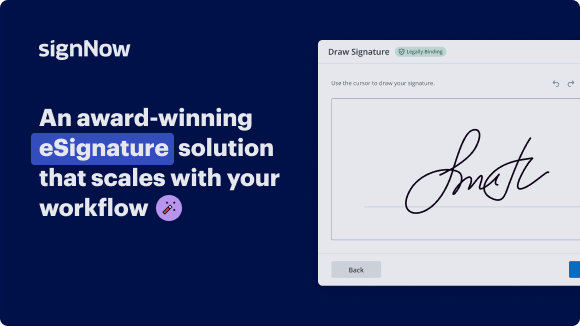
Solución de firma electrónica galardonada




Impulsa tu negocio con la solución de firma electrónica de airSlate SignNow
Agrega tu firma legalmente vinculante
Integra mediante API
Envía documentos condicionales
Comparte documentos mediante un enlace de invitación
Ahorra tiempo con plantillas reutilizables
Mejora la colaboración en equipo
Vea las firmas electrónicas de airSlate SignNow en acción


Soluciones de airSlate SignNow para una mayor eficiencia
Las reseñas de nuestros usuarios hablan por sí mismas











Por qué elegir airSlate SignNow
-
Prueba gratuita de 7 días. Elige el plan que necesitas y pruébalo sin riesgos.
-
Precios honestos para planes completos. airSlate SignNow ofrece planes de suscripción sin cargos adicionales ni tarifas ocultas al renovar.
-
Seguridad de nivel empresarial. airSlate SignNow te ayuda a cumplir con los estándares de seguridad globales.

Cómo elegir entre airSlate SignNow Servicios Financieros vs. Close CRM Servicios Financieros y lograr los flujos de trabajo de aprobación de documentos más eficientes
Las tecnologías modernas determinan nuevas condiciones y formas de hacer negocios. ¿Piensa en firmas digitales, no son imposibles de hacer sin ellas? Elegir la solución de software más adecuada con capacidades potentes y términos asequibles es fundamental para cada empresa. Compare airSlate SignNow Servicios Financieros vs. Close CRM Servicios Financieros para elegir la mejor solución para flujos de trabajo efectivos de gestión de documentos.
Siga la guía a continuación para comparar airSlate SignNow Servicios Financieros vs. Close CRM Servicios Financieros:
- Inicie sesión o suscríbase a su prueba gratuita de 7 días para descubrir todas las capacidades avanzadas de la plataforma.
- Administre su perfil en el menú Mi Cuenta, y configure notificaciones y firmas predeterminadas.
- Vaya a Contactos y agregue correos electrónicos, nombres y detalles de la empresa de quienes con quienes trabaja.
- Haga clic en Subir o Crear y elija un documento desde su dispositivo y nube, o del catálogo de plantillas en línea.
- Crear un formulario rellenable con áreas requeridas, opcionales o condicionales asignadas a cada parte.
- Agregue Campo de Firma para todos los involucrados y firme el documento usted mismo si es necesario.
- Envíe invitaciones de firma personalizadas a los contactos seleccionados de su base de datos.
- Obtenga su papeleo firmado electrónicamente en minutos y organícelo en las carpetas específicas.
Nuestra plataforma también le permite crear Equipos y colaborar en diversos flujos de trabajo, hacer plantillas reutilizables e incluso solicitar la notarización de papeleo desde su cuenta. Consulte estas y otras opciones de software, considere los planes de precios y tome su decisión más acertada entre airSlate SignNow Servicios Financieros vs. Close CRM Servicios Financieros para mejorar la eficiencia de su flujo de trabajo!
Cómo funciona
Funciones de airSlate SignNow que los usuarios adoran





¡Obtenga firmas legalmente vinculantes ahora!
Preguntas frecuentes
-
¿Cuáles son las principales diferencias entre airSlate SignNow y Close CRM para servicios financieros?
Al comparar SignNow CRM vs Close CRM para servicios financieros, las principales diferencias radican en la gestión de documentos y las capacidades de firma electrónica. SignNow ofrece una plataforma intuitiva diseñada específicamente para gestionar firmas electrónicas, haciendo que los flujos de trabajo de documentos sean sencillos. En cambio, Close CRM se centra en la automatización de ventas, siendo menos adecuado para tareas centradas en documentos. -
¿Cómo se compara el precio de airSlate SignNow y Close CRM en el contexto de servicios financieros?
Al evaluar los precios de SignNow CRM vs Close CRM para servicios financieros, SignNow suele ser más económico, especialmente para pequeñas y medianas empresas. Ofrece planes de precios competitivos que permiten a las organizaciones acceder a funciones de firma electrónica sin un costo elevado. Close CRM puede ser más caro debido a sus funciones avanzadas de automatización de ventas. -
¿Qué funciones hacen que SignNow CRM sea beneficioso para servicios financieros?
SignNow CRM destaca en el sector de servicios financieros debido a sus robustas funciones de firma electrónica, almacenamiento seguro de documentos y una interfaz fácil de usar. Estas funcionalidades mejoran la productividad al simplificar el proceso de firma de contratos, acuerdos y otros documentos esenciales. Al evaluar SignNow CRM vs Close CRM para servicios financieros, la facilidad de uso y la automatización de documentos pueden beneficiar significativamente a los profesionales financieros. -
¿Puede SignNow integrarse con otros programas utilizados en servicios financieros?
Sí, SignNow ofrece varias integraciones con plataformas de software populares utilizadas en servicios financieros, mejorando su funcionalidad. Al explorar SignNow CRM vs Close CRM para servicios financieros, la capacidad de integrarse sin problemas con herramientas como Salesforce o sistemas de contabilidad financiera puede agilizar las operaciones y mejorar la eficiencia. -
¿Cuáles son los beneficios de usar SignNow CRM específicamente para tareas con muchos documentos en servicios financieros?
Utilizar SignNow CRM para tareas con muchos documentos en servicios financieros ofrece beneficios sustanciales, incluyendo tiempos de respuesta más rápidos y reducción de papeleo. Esta plataforma simplifica el proceso de firma electrónica, permitiendo a los clientes firmar documentos electrónicamente, mejorando así la satisfacción del cliente. En cambio, Close CRM podría no ofrecer el mismo nivel de eficiencia centrada en documentos. -
¿Qué tan fácil de usar es airSlate SignNow en comparación con Close CRM para profesionales de servicios financieros?
airSlate SignNow está diseñado pensando en la facilidad de uso, lo que facilita a los profesionales de servicios financieros navegar y utilizar sus funciones de manera efectiva. Al discutir SignNow CRM vs Close CRM para servicios financieros, los usuarios suelen encontrar la interfaz de SignNow más intuitiva, reduciendo la curva de aprendizaje y permitiendo que los equipos implementen soluciones rápidamente. -
¿Existen limitaciones en el uso de SignNow CRM para servicios financieros en comparación con Close CRM?
Aunque SignNow destaca en la gestión de documentos y capacidades de firma electrónica, puede carecer de algunas funciones avanzadas que se encuentran en Close CRM, como análisis de ventas completos y funcionalidades de CRM. Al comparar SignNow CRM vs Close CRM para servicios financieros, es importante considerar si un mayor enfoque en la gestión de papeleo o en herramientas de ventas extensas es más beneficioso para sus necesidades específicas.
Lo que dicen los usuarios activos — signNow crm vs close crm for financial services


Obtén más para signNow crm vs close crm for financial services
- 123 Software de Automatización de Propuestas para Producción
- 123 Software de Automatización de Propuestas para Supervisión
- 123 Software de Automatización de Propuestas para Calidad de Producto
- 123 Software de Automatización de Propuestas para Inventario
- 123 Software de Automatización de Propuestas para Seguridad
- 123 Software de Automatización de Propuestas para RD
- 123 Software de Automatización de Propuestas para Personal
- Software de Propuestas en la Nube para Instalaciones
Descubre otros signNow crm vs close crm for financial services
- Desbloquea el poder de la firma electrónica en PDF con ...
- Mejora tus documentos con una firma manuscrita
- Desbloquea el poder de la firma electrónica en Word ...
- Crea tu firma electrónica con nuestro generador de ...
- Descubre el precio del certificado DSC que se adapta a ...
- Descubre los principales proveedores de servicios de ...
- Agrega firma a PDF sin Acrobat con airSlate SignNow
- Métodos gratuitos para firmar un documento PDF en ...
- Cómo agregar una firma electrónica a un PDF en iPhone
- Cómo firmar archivos PDF electrónicamente en Windows
- Cómo firmar un archivo PDF en el teléfono de manera ...
- Aplicación para iPhone para firmar documentos de ...
- Firma PDF sin Acrobat con airSlate SignNow
- Enviar un documento con una firma por correo ...
- Cómo firmar un documento en línea y enviarlo por ...
- Cómo usar un certificado de firma digital en PDF de ...
- Cómo usar la firma electrónica en Acrobat de manera ...
- Cómo usar una firma digital en MacBook para ...
- Métodos para firmar un PDF en línea de manera fácil ...
- Comando para firmar PDF en Linux simplificado con ...