Unlock eSignature Lawfulness for Life Sciences in the United States
- Quick to start
- Easy-to-use
- 24/7 support




Award-winning eSignature solution




Simplified document journeys for small teams and individuals

We spread the word about digital transformation







Why choose airSlate SignNow
-
Free 7-day trial. Choose the plan you need and try it risk-free.
-
Honest pricing for full-featured plans. airSlate SignNow offers subscription plans with no overages or hidden fees at renewal.
-
Enterprise-grade security. airSlate SignNow helps you comply with global security standards.







Your complete how-to guide - esignature lawfulness for life sciences in united states
eSignature lawfulness for Life Sciences in United States
In the United States, eSignature lawfulness for Life Sciences is crucial for ensuring legal compliance and efficiency in document management. One reliable solution for this is airSlate SignNow, which provides a user-friendly platform for businesses to create and manage eSignatures with ease.
Steps to utilize airSlate SignNow:
- Launch the airSlate SignNow web page in your browser.
- Sign up for a free trial or log in.
- Upload a document you want to sign or send for signing.
- If you're going to reuse your document later, turn it into a template.
- Open your file and make edits: add fillable fields or insert information.
- Sign your document and add signature fields for the recipients.
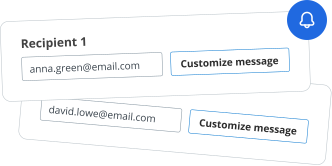
- Click Continue to set up and send an eSignature invite.
airSlate SignNow empowers businesses by providing a cost-effective solution that simplifies the process of sending and eSigning documents. It offers a great ROI with its rich feature set, tailored for SMBs and Mid-Market. The platform also ensures transparent pricing with no hidden support fees or add-on costs, along with superior 24/7 support for all paid plans.
Experience the benefits of airSlate SignNow today and streamline your document signing process!
How it works
Rate your experience
What is the esignature lawfulness for life sciences in the United States
The esignature lawfulness for life sciences in the United States refers to the legal recognition and acceptance of electronic signatures in the life sciences sector. This includes compliance with federal regulations, such as the Electronic Signatures in Global and National Commerce (ESIGN) Act and the Uniform Electronic Transactions Act (UETA). These laws establish that electronic signatures hold the same legal weight as traditional handwritten signatures, provided certain criteria are met. This is particularly important in life sciences, where documentation often involves regulatory compliance, patient consent, and clinical trials.
How to use the esignature lawfulness for life sciences in the United States
To utilize the esignature lawfulness in life sciences, organizations must ensure their electronic signature processes comply with applicable laws. This includes implementing secure electronic signature solutions, like airSlate SignNow, that facilitate the signing of documents while maintaining compliance with industry regulations. Users can fill out forms, request signatures from multiple parties, and securely store signed documents. It is essential to verify that the eSignature solution captures the intent of the signer and provides an audit trail for accountability.
Steps to complete the esignature lawfulness for life sciences in the United States
Completing the esignature process in life sciences involves several key steps:
- Prepare the document that requires signatures, ensuring it meets regulatory standards.
- Upload the document to your eSignature platform, such as airSlate SignNow.
- Fill out any required fields within the document, including dates and names.
- Send the document for signature to the relevant parties, specifying the order if needed.
- Once all parties have signed, securely store the completed document for future reference.
Legal use of the esignature lawfulness for life sciences in the United States
Legal use of electronic signatures in the life sciences sector requires adherence to specific guidelines. Signatures must be obtained with the signer's consent, and the process must ensure the integrity and authenticity of the signed document. Organizations should implement measures to prevent tampering and ensure that signers are identifiable. Additionally, it is vital to maintain records of the signing process, including timestamps and IP addresses, to provide evidence of compliance if needed.
Security & Compliance Guidelines
Security and compliance are critical when using electronic signatures in life sciences. Organizations should choose eSignature solutions that offer robust security features, such as encryption and multi-factor authentication. Compliance with HIPAA and FDA regulations is essential, particularly when handling sensitive patient information. Regular audits and updates to security protocols help maintain compliance and protect against data breaches.
Examples of using the esignature lawfulness for life sciences in the United States
In the life sciences sector, electronic signatures can be used for various applications, including:
- Patient consent forms for clinical trials.
- Regulatory submissions and compliance documents.
- Internal approvals for research protocols.
- Contracts with vendors and suppliers.
- Documentation for audits and inspections.
-
Best ROI. Our customers achieve an average 7x ROI within the first six months.
-
Scales with your use cases. From SMBs to mid-market, airSlate SignNow delivers results for businesses of all sizes.
-
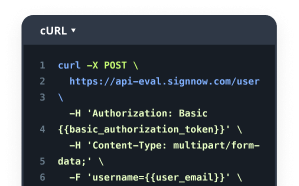
Intuitive UI and API. Sign and send documents from your apps in minutes.
FAQs
-
What is the significance of esignature lawfulness for life sciences in the United States?
The esignature lawfulness for life sciences in the United States ensures that electronic signatures are legally recognized and enforceable. This is crucial for companies in the life sciences sector, as it allows them to streamline document workflows while maintaining compliance with regulatory standards.
-
How does airSlate SignNow ensure compliance with esignature lawfulness for life sciences in the United States?
airSlate SignNow adheres to the ESIGN Act and UETA, which govern the use of electronic signatures in the U.S. Our platform incorporates advanced security features and audit trails to ensure that all signed documents meet the necessary legal requirements for the life sciences industry.
-
What features does airSlate SignNow offer to support esignature lawfulness for life sciences in the United States?
airSlate SignNow provides features such as customizable templates, secure document storage, and real-time tracking of signatures. These tools help organizations in the life sciences sector manage their documents efficiently while ensuring compliance with esignature lawfulness for life sciences in the United States.
-
Is airSlate SignNow cost-effective for businesses in the life sciences sector?
Yes, airSlate SignNow offers a cost-effective solution tailored for businesses in the life sciences sector. Our pricing plans are designed to accommodate various organizational sizes, ensuring that you can leverage esignature lawfulness for life sciences in the United States without breaking the bank.
-
Can airSlate SignNow integrate with other software used in the life sciences industry?
Absolutely! airSlate SignNow integrates seamlessly with various software applications commonly used in the life sciences industry, such as CRM and document management systems. This integration enhances workflow efficiency while maintaining esignature lawfulness for life sciences in the United States.
-
What are the benefits of using airSlate SignNow for esignature lawfulness in life sciences?
Using airSlate SignNow for esignature lawfulness in life sciences offers numerous benefits, including faster turnaround times for document approvals and enhanced security. Our platform also helps reduce paper usage, contributing to sustainability efforts within the industry.
-
How does airSlate SignNow handle data security for esignatures in life sciences?
airSlate SignNow prioritizes data security by employing encryption, secure access controls, and compliance with industry standards. This commitment ensures that all electronic signatures and documents remain protected, supporting esignature lawfulness for life sciences in the United States.


