What is the create 2013 form
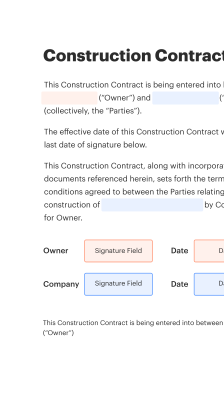
The create 2013 form is a specific document designed for various administrative and legal purposes. It often serves as a template for applications, agreements, or compliance-related submissions. This form can be utilized by individuals and businesses to formalize transactions or requests in a structured manner. Understanding its purpose is crucial for effective completion and submission.
How to use the create 2013 form
Using the create 2013 form involves several steps that ensure accurate completion and submission. Users can fill out the form electronically, which simplifies the process. Once the form is completed, it can be sent for signature to relevant parties. The electronic format allows for easy sharing and tracking of the document, enhancing workflow efficiency.
Steps to complete the create 2013 form
To complete the create 2013 form electronically, follow these steps:
- Access the form through your preferred digital platform.
- Fill in the required fields with accurate information.
- Review the completed form for any errors or omissions.
- Save the document securely within your digital workspace.
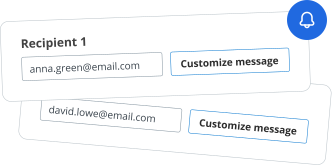
- Send the form for signature to the necessary parties.
These steps ensure that the form is completed correctly and efficiently, facilitating a smooth eSignature process.
Legal use of the create 2013 form
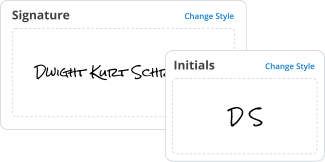
The create 2013 form is legally binding when completed and signed electronically. In the United States, electronic signatures hold the same legal weight as traditional handwritten signatures, provided they meet specific criteria under laws like the ESIGN Act and UETA. It is essential to ensure that all parties involved are aware of their rights and obligations regarding the form.
Security & Compliance Guidelines
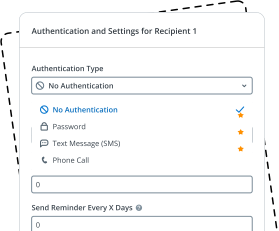
When using the create 2013 form electronically, adhering to security and compliance guidelines is vital. Ensure that the platform used for eSigning is secure and compliant with legal standards. This includes using encryption for data protection and maintaining a clear audit trail of all signatures and document changes. Regularly review security protocols to safeguard sensitive information.
Sending & Signing Methods (Web / Mobile / App)
The create 2013 form can be sent and signed through various methods, including web browsers, mobile devices, and dedicated applications. Users can choose the method that best fits their workflow. Each method offers unique advantages, such as convenience and accessibility, allowing for flexibility in how documents are handled and signed.
Examples of using the create 2013 form
Common examples of using the create 2013 form include:
- Submitting applications for permits or licenses.
- Formalizing agreements between parties.
- Documenting compliance with regulatory requirements.
These examples illustrate the form's versatility and importance in various administrative and legal contexts, highlighting its role in facilitating efficient processes.