Signature: Electronic vs. Paper
- Quick to start
- Easy-to-use
- 24/7 support




Award-winning eSignature solution




Simplified document journeys for small teams and individuals

We spread the word about digital transformation







Why choose airSlate SignNow
-
Free 7-day trial. Choose the plan you need and try it risk-free.
-
Honest pricing for full-featured plans. airSlate SignNow offers subscription plans with no overages or hidden fees at renewal.
-
Enterprise-grade security. airSlate SignNow helps you comply with global security standards.







Make the most of your eSignatures with airSlate SignNow
Accelerate paperwork
Edit forms safely
Share files
Make use of Signature electronic vs paper
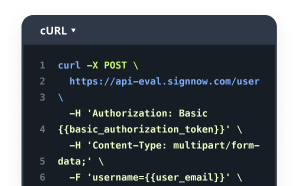
Integrate eSignatures via API
Create simple workflows
Quick-start guide on how to use signature electronic vs paper feature
Is your organization ready to cut inefficiencies by three-quarters or more? With airSlate SignNow eSignature, weeks of contract negotiation become days, and hours of signature collecting become minutes. You won't need to learn everything from scratch due to the intuitive interface and step-by-step guides.
Take the following steps listed below to use the signature electronic vs paper functionality within a few minutes:
- Open your web browser and visit signnow.com.
- Subscribe for a free trial or log in with your email or Google/Facebook credentials.
- Click User Avatar -> My Account at the top-right corner of the page.
- Personalize your User Profile with your personal information and altering settings.
- Design and manage your Default Signature(s).
- Get back to the dashboard page.
- Hover over the Upload and Create button and select the needed option.
- Click the Prepare and Send key next to the document's name.
- Input the email address and name of all signers in the pop-up box that opens.
- Use the Start adding fields option to proceed to edit document and self sign them.
- Click SAVE AND INVITE when completed.
- Continue to configure your eSignature workflow employing more features.
It can't get any easier to use the signature electronic vs paper feature. It's available on your mobile devices as well. Install the airSlate SignNow application for iOS or Android and manage your custom eSignature workflows even when on the go. Skip printing and scanning, labor-intensive filing, and costly document delivery.
How it works
Rate your experience
What is the signature paper sign
The signature paper sign is a traditional method used to authenticate documents, requiring a handwritten signature on a physical paper form. This process often involves printing, signing, and scanning or mailing the document back to the relevant parties. In contrast, electronic signatures streamline this process by allowing users to eSign documents digitally, enhancing efficiency and reducing the need for physical paperwork.
How to use the signature paper sign
Using the signature paper sign involves several steps. First, the document must be printed out. After reviewing the content, the individual signs the paper in the designated area. Once signed, the document can be scanned or photographed to create a digital copy. This digital version can then be emailed or uploaded to a secure platform for sharing. However, transitioning to eSignatures can simplify this process significantly, allowing users to sign documents electronically without the need for printing.
Steps to complete the signature paper sign
To complete the signature paper sign, follow these steps:
- Print the document that requires a signature.
- Review the document thoroughly to ensure all information is correct.
- Sign the document in the designated area with a pen.
- Scan or take a clear photo of the signed document.
- Email or upload the signed document to the intended recipient.
By utilizing airSlate SignNow, users can skip the printing and scanning steps by opting for electronic signatures, which can be completed directly on their devices.
Legal use of the signature paper sign
The signature paper sign holds legal validity in many situations, as long as it meets specific criteria set forth by state and federal laws. In the United States, the Uniform Electronic Transactions Act (UETA) and the Electronic Signatures in Global and National Commerce Act (ESIGN) recognize handwritten signatures as legally binding. However, for many transactions, using an electronic signature may provide a more efficient and equally valid alternative.
Security & Compliance Guidelines
When using the signature paper sign, it is crucial to consider security and compliance. Ensure that the signed document is stored securely to prevent unauthorized access. If the document contains sensitive information, consider encrypting the digital copy before sharing. For businesses, adhering to compliance regulations regarding data protection is essential. Transitioning to eSignatures can enhance security, as many platforms, including airSlate SignNow, offer encryption and secure storage options.
Digital vs. Paper-Based Signing
Digital signing offers numerous advantages over traditional paper-based signing. With digital signatures, users can sign documents from anywhere, eliminating the need for printing and mailing. This method also reduces the risk of lost documents and speeds up the signing process. Additionally, digital signatures often include security features such as encryption and audit trails, providing greater assurance of authenticity compared to paper-based methods.
Examples of using the signature paper sign
Common scenarios for using the signature paper sign include legal contracts, employment agreements, and consent forms. In each case, the document typically requires a physical signature to validate the agreement. However, many organizations are shifting towards electronic signatures to enhance efficiency and reduce reliance on paper, which can lead to faster processing times and lower operational costs.
-
Best ROI. Our customers achieve an average 7x ROI within the first six months.
-
Scales with your use cases. From SMBs to mid-market, airSlate SignNow delivers results for businesses of all sizes.
-
Intuitive UI and API. Sign and send documents from your apps in minutes.
FAQs
-
What are the main differences between signature electronic vs paper?
The primary difference between signature electronic vs paper lies in their form and efficiency. Signature electronic methods streamline the signing process by allowing documents to be signed digitally, which reduces the time and costs associated with printing, scanning, and mailing paper documents. Additionally, electronic signatures offer enhanced security features that traditional paper signatures cannot provide.
-
How does airSlate SignNow compare to traditional paper signing?
AirSlate SignNow signNowly enhances the signing experience compared to traditional paper signing. With signature electronic vs paper, airSlate SignNow allows users to sign documents from anywhere, at any time, using any device. This flexibility not only speeds up transaction times but also improves document tracking and management.
-
What are the cost benefits of using signature electronic vs paper?
Using signature electronic vs paper can lead to substantial cost savings for businesses. By eliminating the need for physical materials like paper and ink, as well as reducing postage costs, businesses can save both time and money. Furthermore, airSlate SignNow offers competitive pricing plans that cater to various business needs.
-
Is airSlate SignNow secure compared to paper signatures?
Yes, airSlate SignNow provides a higher level of security compared to traditional paper signatures. With signature electronic vs paper, airSlate SignNow employs advanced encryption and authentication methods to ensure that documents remain secure and tamper-proof. This added layer of security helps protect sensitive information and provides users with peace of mind.
-
Can I integrate airSlate SignNow with other business applications?
Absolutely! AirSlate SignNow seamlessly integrates with a variety of business applications, enhancing your workflow. By utilizing signature electronic vs paper solutions, you can easily connect with platforms like Google Drive, Salesforce, and more, allowing for smoother document management and enhanced productivity.
-
What features does airSlate SignNow offer for document management?
AirSlate SignNow offers a robust set of features tailored for effective document management. With signature electronic vs paper, users can create templates, automate workflows, and track document status in real-time. These features not only simplify the signing process but also improve overall efficiency.
-
How does using signature electronic vs paper improve the signing process?
Using signature electronic vs paper signNowly improves the signing process by eliminating delays associated with traditional methods. AirSlate SignNow allows for instant document delivery and signing, meaning agreements can be finalized in minutes rather than days. This not only speeds up transactions but also enhances customer satisfaction.


Signature electronic vs paper
How to fill out and sign a file online
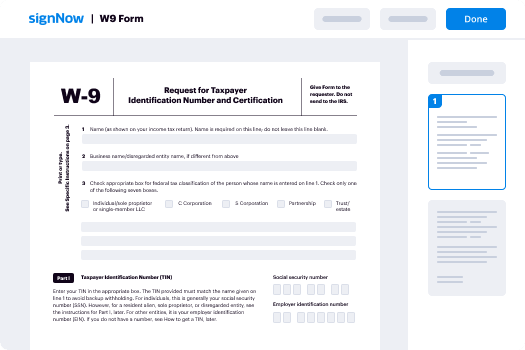
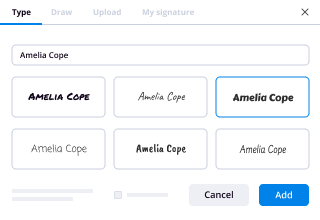
So, you need to eSign a document online? Drive your process with airSlate SignNow, a perfect solution to lost time, risky security and inefficient processes. Generate your signatures online in three possible ways: draw, type in or upload an image of a handwritten signature. signature electronic vs paper at ease.
Follow the step-by-step guidelines to signature electronic vs paper online:
- Upload a document.
- Once it’s uploaded, it’ll open in the online editor.
- Select My signature.
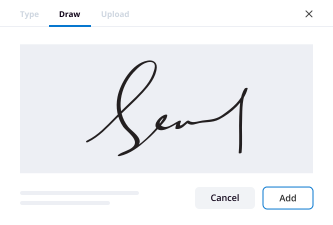
- Choose one of three options to generate a signature: draw, type or upload an image of a handwritten one.
- Once you create a signature click Ok.
- Finish the process by clicking Done.
airSlate SignNow supports almost every format: PDF, Word, etc. Apart from signing a document, you can fill it out by adding a variety of fields: text, date, dropdown. Send a doc for signing via email, SMS or with a public hyperlink. Set-up Bots that’ll remind a signer to validate the document and notify a sender once it's validated. signature electronic vs paper effectively straight away.
How to generate an eSignature employing Google Chrome
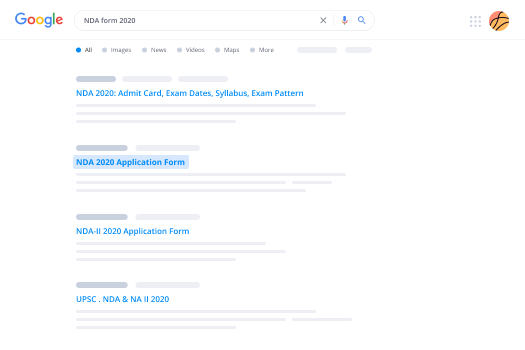
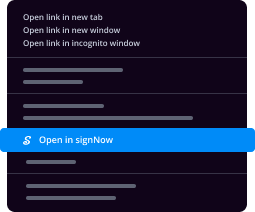
Google Chrome features multiple advantages that users can’t ignore, making it the top browser across the US. For instance, it’s the number one browser for its speed and library of extensions. With Chrome you can synchronize bookmarks, history and settings across all of your devices. To sign a document in Google Chrome, search for the airSlate SignNow add-on in the Web Store and download it. signature electronic vs paper without buying software.
Close deals in Google Chrome:
- Once you download the airSlate SignNow add-on, click on the icon in the upper menu.
- Upload a document you want to eSign.
- It’ll open in the online editor.
- Select My Signature.
- Generate a signature and click Done.
- After you signature electronic vs paper save the executed doc to your device.
The add-on helps streamline the signing process without the need for additional software. It’s compatible with major systems (Mac pc and Windows) and advantages customers by providing a quick, safe and effective eSigning experience without leaving your Google window. signature electronic vs paper advantageously.

How to eSign in Gmail
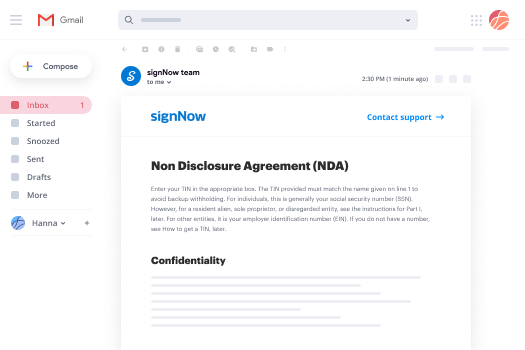
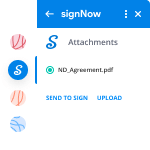
If you’re someone who already loves the experience airSlate SignNow delivers, you’re in for a treat. Raise your hand if you find it time-consuming and inconvenient to switch from your Gmail to your airSlate SignNow account to sign documents. Guess what. Now, get an impactful new way to eSign right from your inbox. signature electronic vs paper for the first time right from the message you received with the attachments that need signing.
Signature electronic vs paper in Gmail:
- From your Gmail account click Settings -> Get add-ons.
- Once you find the add-on, install it. It’ll appear in the right-hand sidebar.
- Open an email with an attachment that you need to share for signing and click airSlate SignNow.
- Click Send to sign, enter the recipient’s email address.
- Click Upload to add the doc to your airSlate SignNow account.
airSlate SignNow is one of the leading eSignature solutions on the market. It’s always developing and improving its functionality to meet your most sophisticated requirements. The integration with Gmail enables end users to rapidly, effectively and securely handle eSignatures. Save your time and signature electronic vs paper within a few minutes.
How to create a signature on mobile
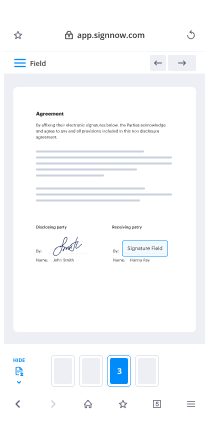
In the era of the digital revolution and instant messaging, users can manage and sign documents on the go via eSigning applications for smartphones and tablets. airSlate SignNow packs two powerful apps, one for iOS and another for Android for generating signatures and to signature electronic vs paper forms.
Taking mobile signatures to the next level:
- Depending on the device you have, find the airSlate SignNow app from the Google Play Market or the AppStore.
- Sign in if you already have an account.
- Register if you don’t already have an account.
- Upload a doc you want to signature electronic vs paper.
- Follow the instructions for adding a signature.
- After you’ve placed your signature, save your changes and click Done.
The airSlate SignNow application allows you to sign documents while offline. Once you regain internet access the files you executed will automatically send the recipients they’re intended for. airSlate SignNow is actually a useful app that helps customers to signature electronic vs paper and helps to keep document workflows working well.
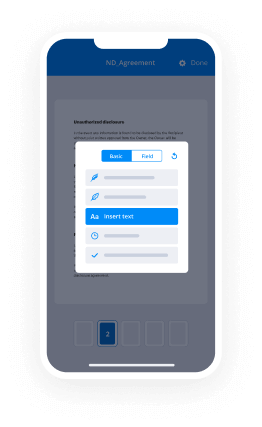
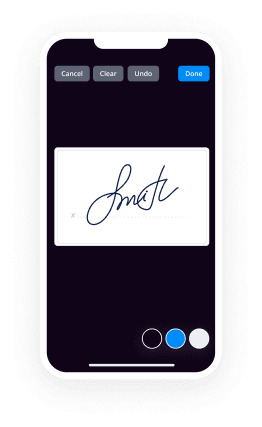
How to create a signature by using an iPhone
If you’re reading this, you probably need to sign some documents. But you have to get it done on your phone, right? Normally, that’s a tough situation. However, the airSlate SignNow app for Apple, makes mobile signing a piece of cake. Get a powerful mobile-first solution for validating your docs with legally-binding eSignatures, negotiate contracts and automate your workflow. With airSlate SignNow you can signature electronic vs paper from your iPhone while on the go.
Signature electronic vs paper on an iPhone and show off to your colleagues:
- Install the airSlate SignNow app and register your account.
- Upload a document.
- Edit the file if you need to.
- Add signature fields and self-sign before sending it to partners or clients.
- Tap Done and generate signing links.
The app is well suited for work within an organization or for B2B and B2C collaboration. It can be used to send out contracts for signing even when users don’t have airSlate SignNow accounts. Notification Bots keep users updated on document status changes. The airSlate SignNow mobile app is an ideal solution to signature electronic vs paper fast, securely and effortlessly.
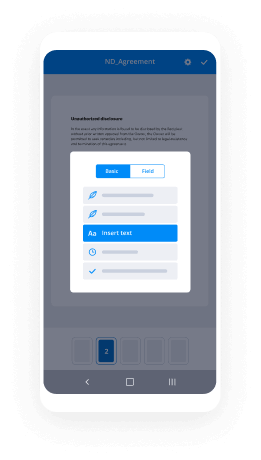
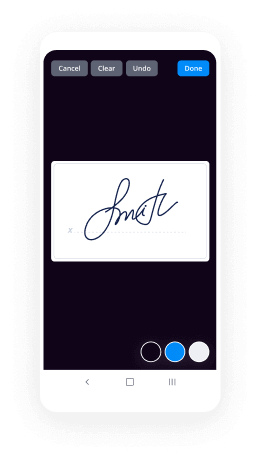
How to sign e-documents with an Android
Not only can you eSign a contract, but you can also send a link to the document to your teammates and vendors with the help of airSlate SignNow for Android. Use the full-featured solution to generate an eSignature and reuse it in the future for document verification. signature electronic vs paper fast and conveniently.
Here are the guidelines to signature electronic vs paper on Android:
- Download the app and create an account.
- Import the doc that needs signing.
- Edit it and add fields, including a signature field.
- Set a signing order.
- Self sign it after you created a unique eSignature
- Generate a link and send the document to the other parties involved.
- Keep track of the process with automatic notifications.
airSlate SignNow is a holistic application that can work with documents stored in your account, the cloud and on your device. Besides its eSignature functions, it helps manage business workflows from anyplace and anytime. The platform’s user-friendly interface makes it easy and fast to signature electronic vs paper .
Trusted eSignature solution - signature electronic vs paper


Join over 28 million airSlate SignNow users
Get more for signature electronic vs paper
- Unlock the Power of Editing Signatures with airSlate ...
- Simplify Your Workflow with airSlate SignNow for Office ...
- How to Update Signature in Outlook App for Seamless ...
- Can You Edit a DocuSign Document After Signing? ...
- Convert Images to Signatures Easily with airSlate ...
- How Do You Edit Your Signature in Gmail - Easily eSign ...
- Edit Signature Block in Outlook for Effortless Document ...
- Effortlessly Generate Signatures, Copy and Paste with ...
The ins and outs of eSignature


