Email routing
Rule-based routing directs incoming messages to specific workflows or folders.




Importing documents from email eliminates repetitive file handling, shortens turnaround times, and reduces user error by automatically ingesting attachments into a managed signing workflow while preserving metadata for compliance and auditability.

HR managers use email imports to capture candidate documents and onboarding forms, reduce manual entry, and ensure each record is attached to the correct employee file. They configure parsing rules and templates so received attachments are automatically assigned to the right workflow and retained under organizational retention policies.
Compliance officers rely on imported email files to maintain a verifiable chain of custody. They verify that import rules, access controls, and audit trails meet regulatory obligations, and they review logs to ensure sensitive transmissions are covered by appropriate agreements and protections.
Legal, HR, sales, and operations teams commonly use email imports to centralize incoming contracts and forms for review and signature.
Smaller teams and regulated departments alike benefit from reduced manual steps and clearer audit trails when email imports are configured correctly.
Rule-based routing directs incoming messages to specific workflows or folders.
Automatic extraction and type detection for common file formats.
Pre-applied fields and signature roles reduce manual setup time.
Preserves sender, timestamp, and subject for auditability.
Alerts stakeholders when imports complete or fail.
Automated backups to cloud repositories for redundancy.
Native integration captures attachments and enables saving imported documents directly into Google Drive folders with naming templates and access controls for team collaboration.
CRM integrations automatically link imported documents to customer records, update opportunities, and trigger follow-up tasks based on parsed email metadata and attachment content.
Dropbox integration routes imported files into designated folders, applies folder-level permissions, and keeps cloud copies synchronized for backup and archival compliance.
Template mapping lets administrators attach form fields and signature roles to incoming documents so imports are ready for immediate signing with minimal manual edits.

| Workflow Setting Name and Identifier | Default configuration values used by signNow import workflows |
|---|---|
| Email parsing rule priority order | Highest to lowest |
| Attachment file type whitelist | PDF; DOCX; JPG |
| Maximum attachment count per import | 25 files |
| Auto-apply template on match | Enabled by default |
| Post-import storage destination | Connected cloud folder |
Email import features run on cloud-hosted services and require a supported browser or API client for administration and monitoring.
For end users who only submit documents via email, no special client is required; administrators configuring parsing rules and integrations will need up-to-date browsers plus any API credentials for connected services such as Google Drive or CRM systems.
A regional sales team receives signed proposals as email attachments and needs a consistent intake process to capture them into a contract repository.
Resulting in faster revenue recognition and fewer misplaced agreements.
A clinic accepts patient intake documents via secure email for remote onboarding and needs to ensure HIPAA-safe handling.
Ensures records are processed under a BAA and retained per policy.
| Feature or Criterion for Comparison | signNow (Recommended) | DocuSign | Adobe Sign |
|---|---|---|---|
| Import documents directly from email | |||
| Automatic attachment parsing | Limited | ||
| Prebuilt email-to-envelope workflow | |||
| API support for ingestion | REST API | REST API | REST API |
Within 5–15 minutes of receipt.
Within 24 hours to detect errors.
Annually or upon regulation changes.
After active retention period ends.
As defined by organizational retention rules.
| Starting monthly price per user | signNow (Recommended): Affordable entry plans for small teams | DocuSign: Higher starting price for core plans | Adobe Sign: Mid-range pricing aligned with Creative Cloud | Dropbox Sign: Competitive SMB pricing with fewer enterprise features | PandaDoc: Tiered pricing focused on document generation |
|---|---|---|---|---|---|
| Email import included in plan | Included in most signNow plans | Included in DocuSign business plans | Available in Adobe Sign enterprise | Included in Dropbox Sign advanced plans | Available in PandaDoc enterprise |
| API access availability | API access in signNow business tiers | API in DocuSign business and enterprise | API with Adobe Sign enterprise | API in Dropbox Sign business plans | API in PandaDoc business tiers |
| Enterprise features and SLAs | Enterprise SLA and controls available | Enterprise contracts and SLAs offered | Enterprise-grade features with Adobe agreements | Enterprise options with SLAs | Enterprise add-ons available |
| HIPAA compliance options | BAA available for signNow enterprise | BAA available from DocuSign | BAA available with Adobe enterprise | Dropbox Sign offers BAA options | PandaDoc offers HIPAA support upon request |
| Free trial or tiers | Free trial available for signNow | DocuSign offers trial accounts | Adobe Sign trial for select plans | Dropbox Sign trial available | PandaDoc free trial offered |
Move a document from your email inbox to your airSlate SignNow account in seconds on your smartphone. Instantly sign the imported document or send it for eSignature right away.
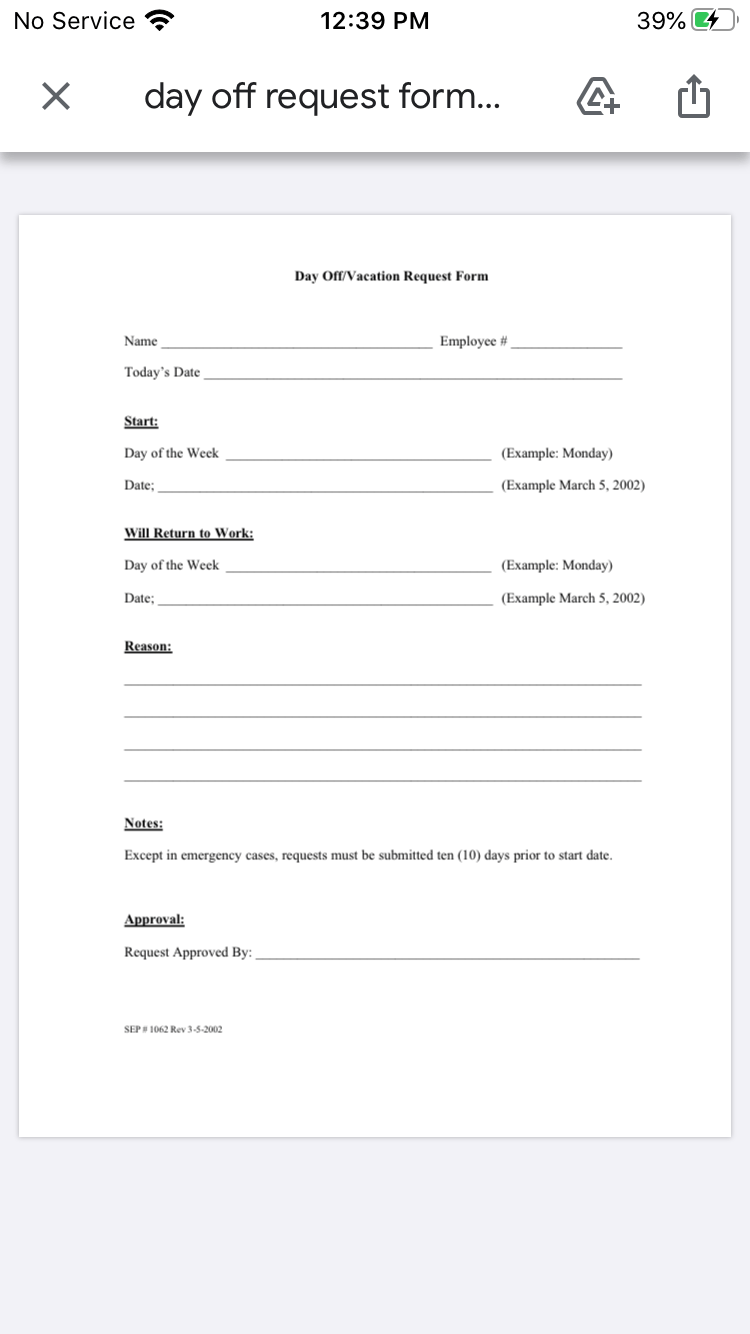
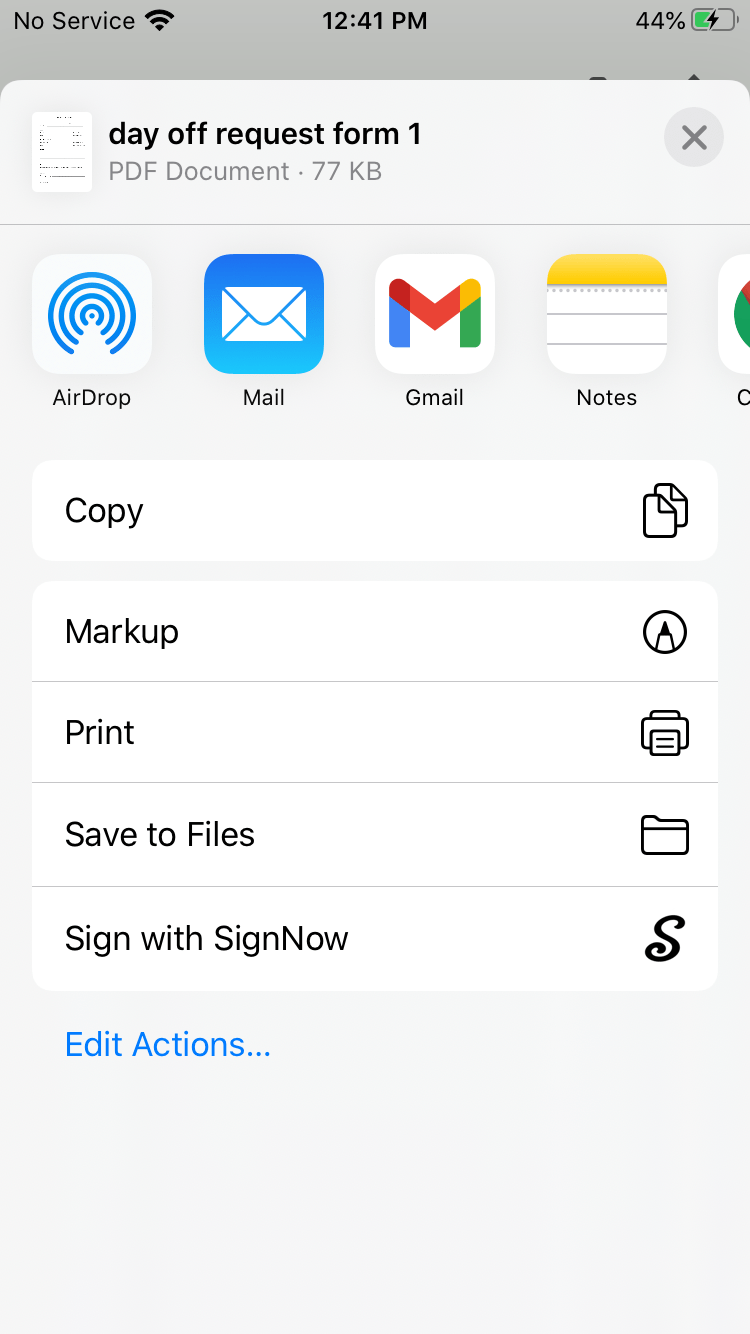
Go to your inbox and open an email that contains a PDF document attached to it. Open the attachment and tap the Share button.
Scroll down the sharing menu and tap Sign with airSlate SignNow.
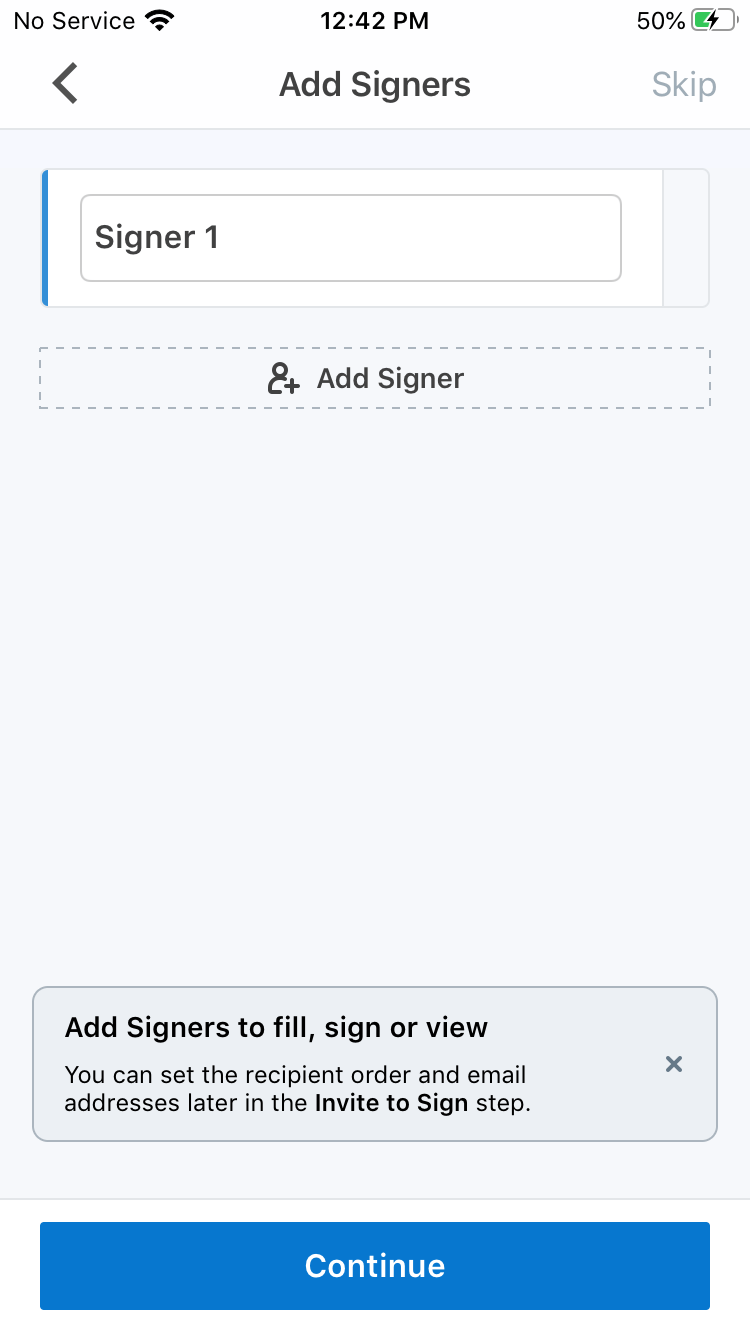
Decide who is going to sign your document: only you or you and other signers.
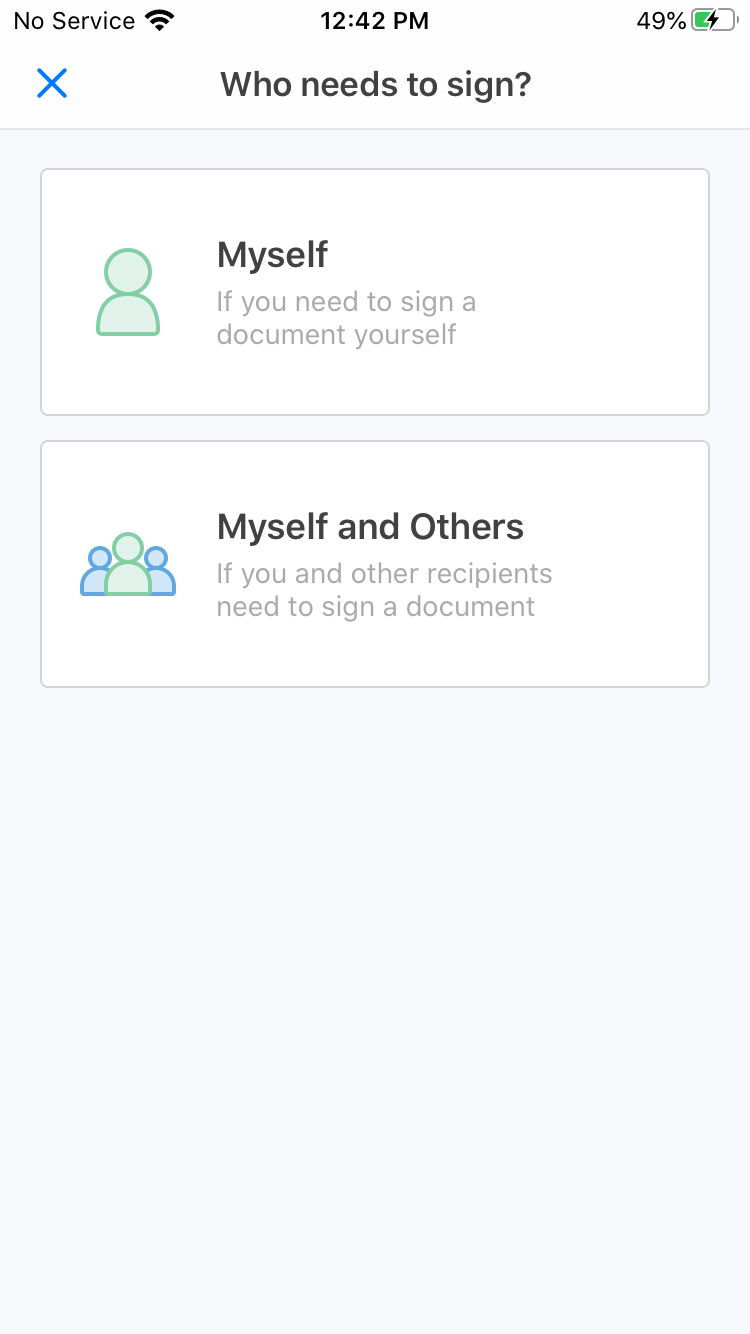
If you select the latter option, add as many signers as you need and tap Continue.
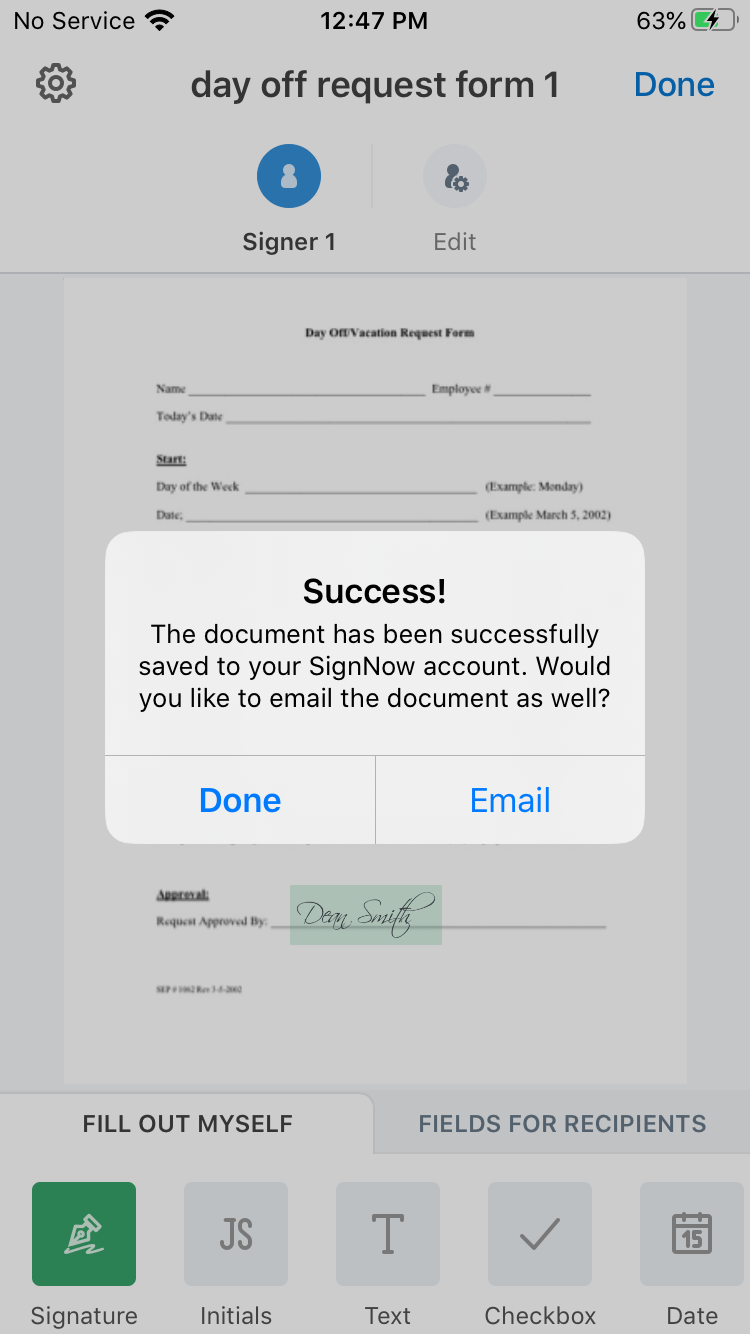
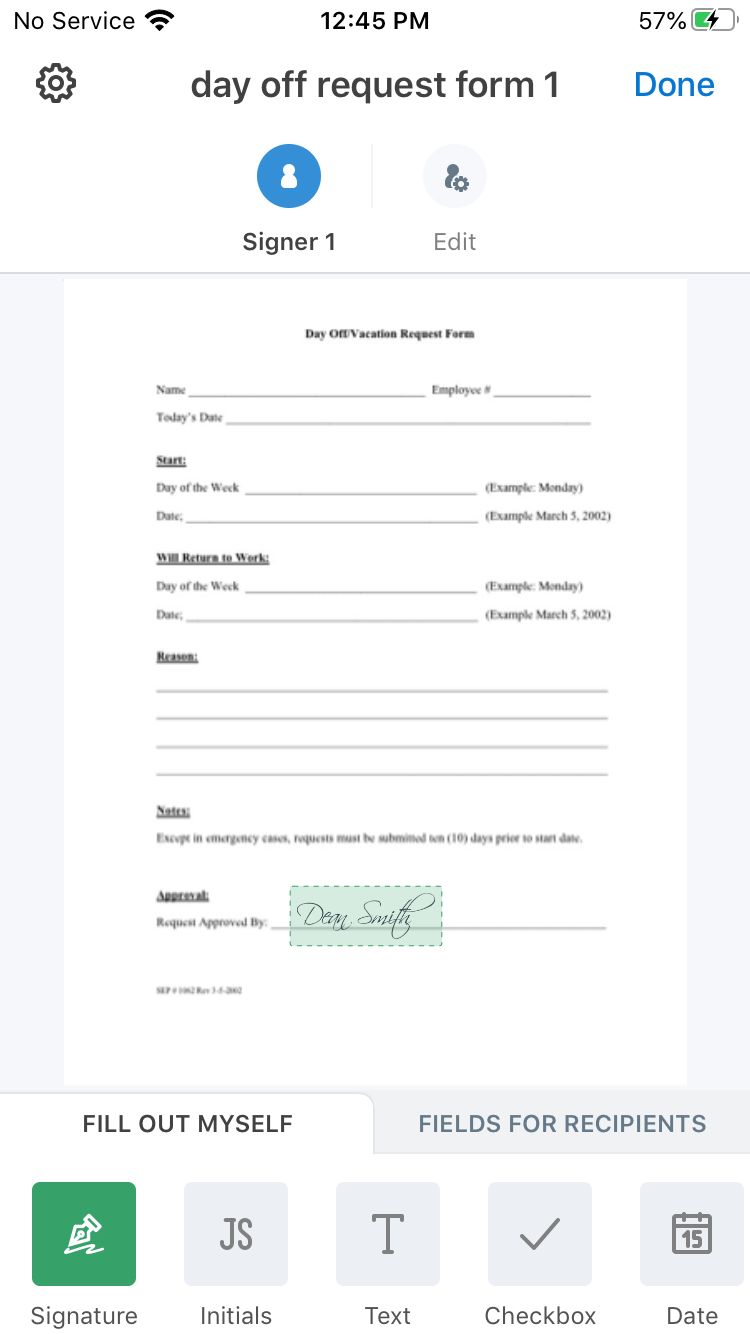
Your document will open in the airSlate SignNow editor. Sign the document or add fillable fields and tap Done > Save.
Enter the name of your document and save it.
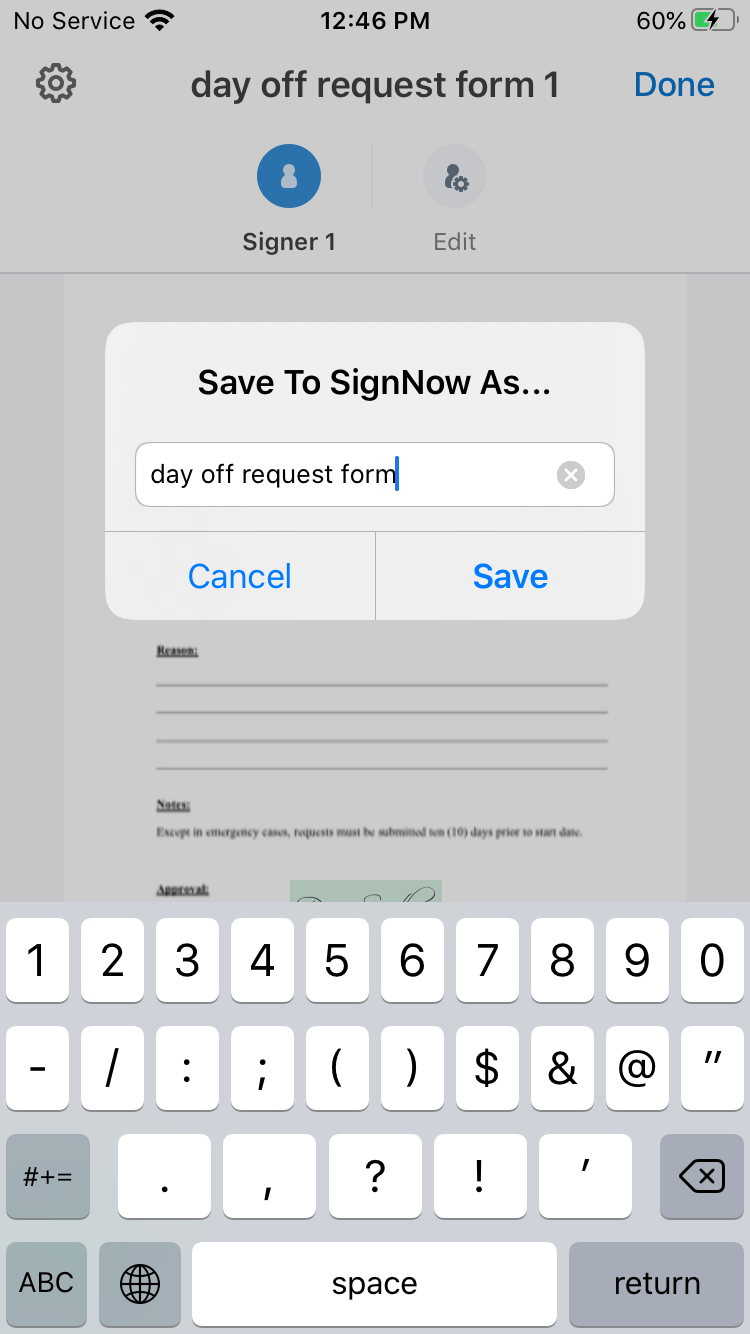
Your document will be uploaded to your airSlate SignNow account. You can then go to your Documents folder to find your new file, or email it to someone right away.