Verify Digital Signature Image with SignNow

Get rid of paper and automate digital document management for increased performance and limitless possibilities. Sign anything from your home, fast and professional. Experience the best manner of running your business with airSlate SignNow.

Award-winning eSignature solution

What it Means to Verify a Digital Signature Image

A digital signature image is a visual representation of a signature embedded in an electronic document, but verifying that image requires more than inspecting pixels. Proper verification distinguishes a mere graphic from a legally binding electronic signature by checking associated metadata, cryptographic hashes, signing certificates, and timestamps. Verification workflows combine automated certificate validation, integrity checks, and audit-log review to confirm that the image was applied within a valid signature context. In many U.S. settings, corroborating cryptographic evidence alongside the image is essential for enforceability and compliance.

Why Verify Digital Signature Images

Verifying a digital signature image reduces risk by confirming authenticity, detecting tampering, and establishing an evidentiary trail suitable for U.S. legal requirements and recordkeeping.

Why Verify Digital Signature Images

Common Challenges When You Verify Digital Signature Image

  • Signatures saved as simple images lack cryptographic binding and are easy to copy or reuse across documents.
  • Image-only verification often misses altered metadata or removed audit records that reveal tampering.
  • Different file formats and resolution changes can corrupt signature metadata and obscure authenticity checks.
  • Unclear chain of custody and missing timestamps make legal admissibility and compliance uncertain.

Typical User Roles Involved in Verification

Compliance Officer

The Compliance Officer reviews verification results, interprets cryptographic evidence against regulatory requirements like ESIGN and UETA, and documents findings to support audit trails and litigation readiness.

IT Administrator

The IT Administrator configures validation systems, integrates signature verification with document repositories, and ensures cryptographic certificates and logging are maintained securely and consistently.

Teams That Regularly Verify Digital Signature Images

Legal, compliance, and records teams routinely need consistent methods to verify digital signature images before relying on documents.

  • Legal departments assessing contract enforceability and evidentiary strength.
  • Human resources validating employee agreements and onboarding documents.
  • Healthcare and education administrators confirming consents under HIPAA or FERPA.

Regular verification policies reduce downstream disputes and support defensible recordkeeping for audits and regulatory reviews.

Tools and Capabilities for Reliable Verification

A robust verification toolkit includes cryptographic validation, tamper detection, secure storage, and flexible authentication options for different risk levels.

Audit Trail

Immutable event records capture signer identity, timestamps, IP addresses, and document state changes so every verification action is traceable and reviewable.


Certificate-Based Signatures

Support for X.509 and other signing certificates ties signatures to verified identities and enables automated chain-of-trust validation during verification.

Tamper Detection

Automated integrity checks and tamper seals detect edits or content changes after signing, highlighting any alterations to images or document content.

Two-Factor Authentication

Optional multi-factor authentication for signers increases assurance that the image was applied by an authorized individual and reduces fraud risk.

Versioning and Storage

Preserve original signed versions alongside verified copies, ensuring access to certificate data and prior states for legal or audit purposes.

Automated Validation

Batch and API-driven validation workflows allow organizations to verify many documents programmatically and generate consolidated verification reports.

be ready to get more

Choose a better solution

Integrations That Simplify Verification Workflows

Integrating verification with common productivity and storage platforms streamlines checks and preserves audit evidence across systems.

Google Workspace

Embed verification checks into Google Docs and Drive to preserve signing metadata, automatically archive signed copies, and trigger integrity scans when documents are updated or exported.

CRM Systems

Connect verification to CRMs to store validated signature records on contact or contract profiles, enabling sales and legal teams to confirm signatures directly from account records.

Dropbox Storage

Use Dropbox integration to keep original signed documents with embedded certificates and audit logs, ensuring retrievability and consistent retention across file versions.

Developer API

APIs allow automated verification calls during document processing, returning certificate validation, hash comparison, and audit entries that applications can log or act upon.
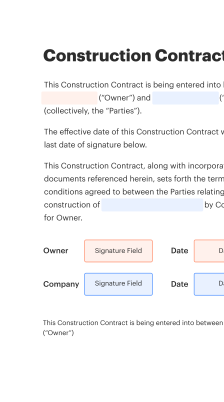
How Verification of a Digital Signature Image Works

Verification combines visual inspection with automated cryptographic checks to confirm authenticity and integrity of signature images.

  • Visual Match: Compare image to expected signer signature.
  • Certificate Check: Validate signing certificate chain.
  • Hash Comparison: Ensure document hash matches signed hash.
  • Audit Review: Examine event timeline for anomalies.
Collect signatures
24x
faster
Reduce costs by
$30
per document
Save up to
40h
per employee / month

Quick Steps to Verify a Digital Signature Image

Follow these concise steps to determine whether a signature image is supported by cryptographic evidence and suitable for recordkeeping.

  • 01
    Upload Document: Open the signed file in your verifier.
  • 02
    Locate Signature: Identify embedded signature fields or image layers.
  • 03
    Check Metadata: Inspect certificate details and timestamps.
  • 04
    Review Audit Trail: Confirm signer events and integrity seals.

Managing Audit Trails for Digital Signature Image Verification

Use structured audit procedures to capture and review the events that support a signature image's authenticity and integrity.

01

Capture Events:

Record signer actions and timestamps
02

Preserve Certificates:

Store certificate chain snapshots
03

Log Access:

Track document retrieval history
04

Digest Hashes:

Keep document hash values
05

Export Reports:

Generate reviewable verification reports
06

Archive Securely:

Move to compliant long-term storage
be ready to get more

Why choose airSlate SignNow

  • Free 7-day trial. Choose the plan you need and try it risk-free.
  • Honest pricing for full-featured plans. airSlate SignNow offers subscription plans with no overages or hidden fees at renewal.
  • Enterprise-grade security. airSlate SignNow helps you comply with global security standards.
illustrations signature

Workflow Settings for Automating Verification

Configure these settings to automate validation of signature images and centralize verification reporting.

Setting Name Configuration
Reminder Frequency 48 hours
Signature Validation Mode Strict
Retention Period 7 years
Audit Logging Level Full
Two-Factor Authentication Enabled

Verify Digital Signature Image Across Devices

Verification tools should support desktop, mobile, and tablet platforms while preserving metadata and cryptographic data across exports.

  • Desktop Browsers: Modern Chrome or Edge
  • Mobile Devices: iOS 13+ and Android 9+
  • File Formats: PDF/A preferred

Ensure that mobile and tablet signing preserves certificate details and timestamps during upload; standardize on formats like PDF/A and use secure apps to avoid metadata loss or rendering issues across devices.

Technical Indicators Used to Verify an Image

Cryptographic Hash: Unique file fingerprint
Signing Certificate: Issuer and validity
Timestamp: Certified signing time
Audit Log: Event sequence
Signature Field: Embedded signature object
Tamper Seal: Integrity marker

Practical Use Cases for Verifying Digital Signature Images

These examples illustrate typical scenarios where verifying a digital signature image is essential to reduce legal and operational risk.

Healthcare Consent Forms

A clinic receives patient consent forms with signature images embedded in PDFs and needs to confirm authenticity before treatment authorization.

  • The verification feature checks certificate metadata and timestamp presence.
  • This ensures the consent was signed by the patient within the valid session and is cryptographically linked to the document.

Resulting in defensible consent records and reduced regulatory exposure under HIPAA.

Real Estate Closing Documents

A title company handles closing packets where multiple parties provide signature images on different pages and must confirm each signature's integrity.

  • The process validates signature fields against stored certificates and checks audit logs for signer identity.
  • This reduces the risk of fraudulent signers and unnoticed post-signing edits.

Leading to clearer chain-of-custody evidence and fewer transaction disputes.

Best Practices When You Verify Digital Signature Image

Adopt consistent policies that combine automated checks, metadata preservation, and documented procedures to improve reliability and legal defensibility.

Preserve Original Files and Metadata
Always archive the original signed file with embedded certificates and timestamps; do not overwrite or re-export without retaining the source document and its metadata for future verification.
Use Cryptographic Validation Over Visual Checks
Prioritize certificate validation, hash comparison, and timestamp verification instead of relying solely on visual similarity of signature images to avoid false positives.
Record an Audit Trail for Every Action
Maintain detailed logs for upload, verification attempts, signer authentication, and any document changes, ensuring traceability for compliance and dispute resolution.
Define Legal and Operational Thresholds
Document which signature types are acceptable for specific transactions, and require upgraded authentication or notarization for high-risk agreements.

FAQs About Verify Digital Signature Image

Answers to common questions about verifying signature images, legal status, technical checks, and typical errors when validating signed documents.

Comparison: Digital Signature Image Verification Across Platforms

A concise feature comparison showing how leading eSignature platforms support verification and image-related checks for U.S. use cases.

Criteria signNow (Recommended) DocuSign Adobe Sign
Legal Validity
Embedded Image Verification Integrated checks Limited checks Manual review
Certificate Support X.509 support X.509 support X.509 support
Tamper Detection Automatic Automatic Automatic
be ready to get more

Get legally-binding signatures now!

Document Retention and Verification Timing

Set clear retention schedules and verification timeframes to support audits and legal requirements when managing signed documents and signature images.

01

Retention Start Date

Document execution date

02

Minimum Retention

Seven years typical

03

Verification Window

At signing and upon retrieval

04

Review Frequency

Annual integrity checks

Recommended Retention Milestones for Signed Images

Establish milestones for storing and revalidating signature images and associated evidence to meet organizational and regulatory needs.

Execution Date Archived:

Store immediately after signing

Initial Validation:

Validate at time of signature

Mid-Term Review:

Re-check metadata every two years

Pre-Litigation Hold:

Preserve full audit trail indefinitely

Final Disposal:

After retention period ends

Risks When Verification Is Inadequate

Legal Challenge: Contract invalidity
Data Breach: Unauthorized access
Regulatory Fines: Compliance penalties
Reputational Harm: Loss of trust
Operational Delay: Contract disputes
Record Gaps: Audit failures

Simplify complex workflows

Create, execute, and manage workflows of any complexity, electronically from virtually anywhere. Scalable eSignature capabilities allow you to share documents with the right people in the correct order and define roles for each recipient. Execute document workflows faster and easier than ever before.

Automate document management

Optimize complex signing processes with airSlate SignNow’s powerful features to enhance your business. Control your automated eSignature workflows to ensure they're running at peak performance with instant notifications and reminders.

Optimize in team collaboration

Bring teams together in a secure, shared environment. Manage documents, use form templates and notifications to create more efficient cross-organization collaboration. Free your employees from having to spend time on repetitive activities so that they can focus on valuable, business-critical tasks.

Integrate into your existing systems

Run your projects with industry-leading integration. Collect Salesforce, Microsoft Teams, and SharePoint all in one business flow. Connect your software to a single system for endless possibilities and more productiveness.

Stay compliant with best-in-class data security

Feel confident with the knowledge that your information is protected by the latest in encryption security. airSlate SignNow is GDPR and eIDAS compliant and gives you visibility into your signing process with court-admissible audit trails. Set up user access permissions and rights to control who has access to what.


walmart logo
exonMobil logo
apple logo
comcast logo
facebook logo
FedEx logo
be ready to get more

Get legally-binding signatures now!