Exemple De Facture De Nettoyage De Maison Pour Pharmaceutique
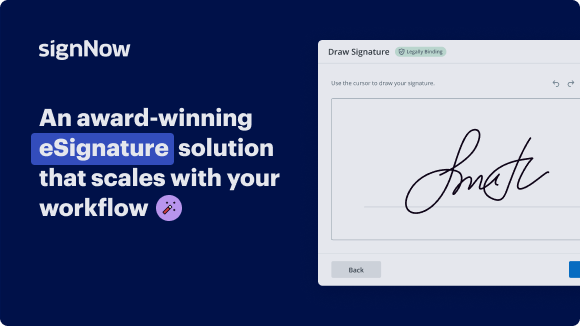
Solution eSignature primée




Faites avancer votre entreprise avec la solution de signature électronique airSlate SignNow
Ajoutez votre signature juridiquement contraignante
Intégrez via l'API
Envoyez des documents conditionnels
Partagez des documents via un lien d'invitation
Gagnez du temps avec des modèles réutilisables
Améliorez la collaboration d'équipe
Découvrez les signatures électroniques airSlate SignNow en action


Solutions airSlate SignNow pour une meilleure efficacité
Les avis de nos utilisateurs parlent d'eux-mêmes











Pourquoi choisir airSlate SignNow
-
Essai gratuit de 7 jours. Choisissez le forfait dont vous avez besoin et essayez-le sans risque.
-
Tarification honnête pour des forfaits complets. airSlate SignNow propose des abonnements sans frais supplémentaires ni frais cachés lors du renouvellement.
-
Sécurité de niveau entreprise. airSlate SignNow vous aide à respecter les normes de sécurité mondiales.

Comment utiliser une feuille de calcul de facture pour les services de construction
Gérer la documentation financière peut être une tâche ardue pour les prestataires de services de construction. Une solution efficace consiste à utiliser airSlate SignNow, qui vous permet de rationaliser le processus d'envoi, de signature et de gestion de vos feuilles de calcul de factures. Ce guide vous accompagnera dans les étapes pour commencer avec airSlate SignNow pour vos besoins de facturation.
Étapes pour créer une feuille de calcul de facture pour les services de construction
- Ouvrez votre navigateur web et accédez à la page d'accueil d'airSlate SignNow.
- Créez un nouveau compte en utilisant l'option d'essai gratuit ou connectez-vous à votre compte existant.
- Téléchargez la feuille de calcul de facture que vous souhaitez faire signer ou distribuer.
- Si c'est une facture récurrente, envisagez de la convertir en un modèle réutilisable.
- Accédez à votre document téléchargé pour apporter les modifications nécessaires, telles que l'ajout de champs à remplir ou de détails spécifiques.
- Insérez votre signature et ajoutez des champs de signature pour les clients ou les membres de l'équipe.
- Cliquez sur le bouton 'Continuer' pour finaliser la configuration et lancer l'invitation à la signature électronique.
Utiliser airSlate SignNow offre de nombreux avantages pour des entreprises comme la vôtre. La plateforme offre un retour sur investissement solide grâce à ses fonctionnalités étendues adaptées aux petites et moyennes entreprises. De plus, vous apprécierez son modèle tarifaire simple, qui garantit que vous ne ferez pas face à des frais de support inattendus.
Découvrez la simplicité de la gestion des documents avec airSlate SignNow. Inscrivez-vous dès aujourd'hui pour mettre en place un processus de signature fluide pour vos factures de services de construction et constater une amélioration de la productivité !
Comment ça marche
Fonctionnalités airSlate SignNow appréciées par les utilisateurs





Obtenez des signatures juridiquement contraignantes dès maintenant !
FAQ
-
Qu'est-ce qu'une feuille de calcul de facture pour les services de construction ?
Une feuille de calcul de facture pour les services de construction est un document personnalisable conçu pour suivre et gérer les heures facturables, les matériaux et les coûts liés aux projets de construction ou de maintenance. Cette feuille de calcul simplifie le processus de facturation, facilitant la création et l'envoi de factures aux clients rapidement et efficacement. Avec airSlate SignNow, vous pouvez facilement intégrer cette feuille de calcul dans votre flux de travail pour une gestion améliorée. -
Comment airSlate SignNow peut-il m'aider avec ma feuille de calcul de facture pour les services de construction ?
airSlate SignNow vous permet de transformer votre feuille de calcul de facture pour les services de construction en un document numérique pouvant être signé électroniquement. Cela réduit le temps consacré à la paperasserie et augmente l'efficacité en vous permettant de gérer et de suivre les factures en un seul endroit. Avec des modèles personnalisables et des fonctionnalités de signature électronique, votre processus de facturation devient fluide. -
Quels sont les plans tarifaires pour airSlate SignNow ?
airSlate SignNow propose divers plans tarifaires adaptés aux entreprises de toutes tailles, garantissant une rentabilité tout en fournissant les fonctionnalités nécessaires pour gérer votre feuille de calcul de facture pour les services de construction. Les plans incluent généralement différents niveaux de fonctionnalités, comme la possibilité d'envoyer, de recevoir et de stocker des documents en toute sécurité. Vous pouvez choisir le plan qui correspond le mieux à vos besoins et à votre budget. -
Quelles fonctionnalités puis-je attendre avec airSlate SignNow pour ma feuille de calcul de facture ?
Avec airSlate SignNow, vous pouvez attendre des fonctionnalités telles que des modèles personnalisables pour votre feuille de calcul de facture pour les services de construction, des capacités avancées de signature électronique, un stockage sécurisé des documents et des intégrations transparentes avec d'autres outils que vous utilisez. La plateforme prend également en charge le suivi en temps réel et les notifications, vous assurant de ne jamais manquer une mise à jour importante concernant vos factures. -
Existe-t-il des intégrations disponibles avec airSlate SignNow ?
Oui, airSlate SignNow offre de nombreuses intégrations avec des applications professionnelles populaires qui peuvent améliorer votre feuille de calcul de facture pour les services de construction. Cela inclut des systèmes CRM, des outils de gestion de projet et des logiciels de comptabilité, vous permettant de rationaliser votre flux de travail et d'assurer une gestion efficace des documents dans toute votre entreprise. Consultez la page des intégrations pour plus de détails. -
Comment créer une feuille de calcul de facture pour les services de construction avec airSlate SignNow ?
Pour créer une feuille de calcul de facture pour les services de construction avec airSlate SignNow, vous pouvez commencer par sélectionner un modèle personnalisable dans la plateforme. Ensuite, saisissez les détails de votre projet, ajoutez des lignes de produits ou services, et spécifiez les coûts associés. L'interface intuitive facilite la personnalisation et la génération de factures pouvant être envoyées directement pour une signature électronique. -
Quels avantages offre l'utilisation d'airSlate SignNow pour la facturation ?
Utiliser airSlate SignNow pour vos besoins de facturation, en particulier avec votre feuille de calcul de facture pour les services de construction, offre de nombreux avantages tels qu'une meilleure précision, des délais de traitement plus rapides et une réduction du risque de malentendus. Les signatures électroniques simplifient le processus d'approbation, tandis que la gestion centralisée des documents maintient toutes les factures organisées et facilement accessibles. Vous constaterez que votre facturation devient plus efficace et plus productive.
Ce que disent les utilisateurs actifs — invoice spreadsheet for building services


Obtenez plus pour invoice spreadsheet for building services
- Document Word de facture pour la sécurité
- Générer un document Word de facture pour R&D
- Document Word de facture pour le personnel
- Reçu de facture imprimable pour les installations
- Reçu de facture imprimable pour la finance
- Créer un reçu de facture imprimable pour IT
- Reçu de facture imprimable pour Legal
- Reçu de facture imprimable pour l'approvisionnement